Pre-Meal Hydration Routine: 500ml Rule
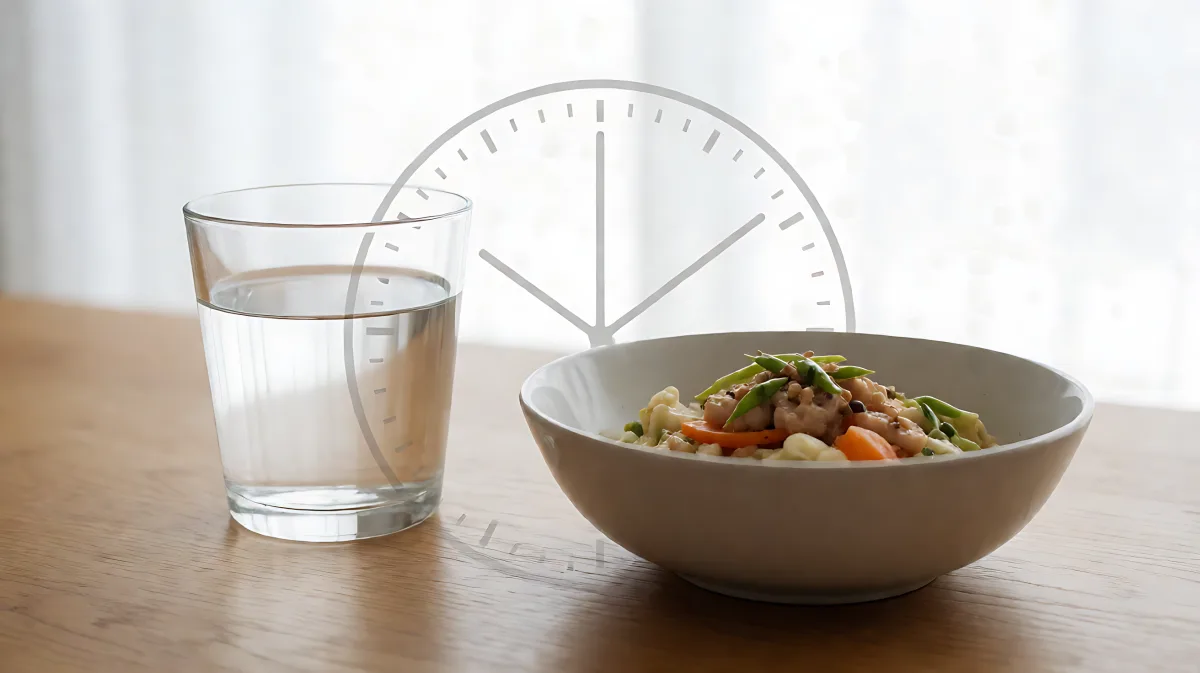
Drinking 500ml of water 30 minutes before a meal triggers stomach stretch receptors to signal fullness early. This simple habit can reduce calorie intake by up to 22% and prevent post-meal bloating without requiring willpower.
Drinking 500 ml of water 30 minutes before a meal is a proven strategy to prevent bloating and reduce calorie intake. Research indicates this routine can lower food consumption by 13–22% per sitting by activating gastric stretch receptors, signaling satiety to the brain before you eat. This physiological buffer helps manage portion sizes and digestion without relying on willpower.
Why Pre-Meal Hydration Prevents Bloating and Overeating
Many people assume that drinking water immediately before a meal dilutes stomach acid and worsens digestion. In fact, the timing is the critical factor. Drinking water 30 minutes prior allows the liquid to stimulate mechanical receptors in the gastric wall without overwhelming the digestive enzymes at the exact moment food enters the stomach. This process, known as gastric distention, sends signals via the vagus nerve to the hypothalamus, creating a pre-emptive sense of fullness. By activating this pathway, you naturally eat slower and stop earlier, often consuming only 75–80% of your usual portion without feeling deprived.
The benefits extend beyond weight management. Proper hydration timing helps regulate the digestive rhythm, reducing the likelihood of gas buildup and discomfort associated with eating in a dehydrated state. When the body is mildly under-hydrated, it may struggle to process nutrients efficiently, leading to puffiness and sluggishness that many misinterpret as food-related bloating.
How Much Water Should You Drink Before Eating?
The optimal volume for triggering satiety signals is approximately 500 ml, which equals two standard glasses or about 17 ounces. A landmark randomised controlled trial published in the journal Obesity found that adults who consumed 500 ml of water 30 minutes before their main meals lost an average of 4.3 kg over a 12-week period, compared to just 0.8 kg in the control group. This study confirmed that the effect was consistent, with participants consuming significantly fewer calories without actively restricting their food choices.
For those who find 500 ml excessive, smaller volumes such as 250 ml to 375 ml can still provide benefits when paired with slower eating habits. However, the evidence suggests that the 500 ml dose is the threshold where the gastric stretch receptors are most effectively engaged. It is important to note that individual needs vary based on body weight and activity level, but starting with this baseline offers a reliable method for most healthy adults.
What Is the Ideal Timing for Water Intake?
Timing is more important than volume. The ideal window is 30 minutes before the meal. Water empties from the stomach relatively quickly, usually within 20 to 40 minutes. If you drink too close to the meal, the water may still be present and potentially cause a feeling of discomfort. If you drink too early, the satiety signal may fade before you sit down to eat. The 30-minute mark strikes the balance, allowing the stomach to process the water while maintaining the stretch receptor activation just long enough to influence your eating behavior.
Additionally, consider the temperature of the water. Room-temperature or slightly warm water is generally easier for the digestive system to process than ice-cold water, which can cause gastric contraction. For those who prefer cold beverages, ensure they are consumed well before the meal to avoid interfering with the digestion of solid food.
How to Build a Sustainable Pre-Meal Routine
Building a habit requires consistency rather than perfection. Many families assume that hydration should only happen when thirsty, but in fact, thirst is a lagging indicator of dehydration. By the time you feel thirsty, your body is already in a mildly dehydrated state, which impairs concentration and physical performance. Front-loading your hydration ensures you are in optimal condition for digestion.
Here is a step-by-step checklist to implement this routine effectively:
- Set a Cue: Place a visible water bottle on your kitchen counter or within arm's reach at your desk. Visual cues significantly increase compliance.
- Measure the Volume: Use a measuring cup or a bottle with clear markings to ensure you are drinking 500 ml, not just a random glass.
- Set a Timer: Use your phone or watch to set a 30-minute reminder before your scheduled meal time. This prevents the habit from becoming sporadic.
- Relax for Five Minutes: Pair the water intake with a brief relaxation exercise, such as deep breathing, for 5 to 10 minutes. This calms the nervous system and prepares the digestive tract for food, further reducing stress-related bloating.
- Track for One Week: Keep a simple log for seven days to observe changes in energy levels and digestive comfort. Most people report clearer thinking and better sleep within the first week.
Common Mistakes to Avoid
Chugging Large Quantities: Your kidneys can process approximately 800–1,000 ml of water per hour. Drinking a liter in a single sitting can lead to waterlogging and dilute electrolytes, causing foginess rather than clarity. Sip steadily over the 30-minute window instead of gulping it down at once.
Ignoring Electrolytes: High water intake without matching sodium and potassium can lead to hyponatremia, though this is rare in healthy individuals. If you sweat heavily or eat a low-sodium diet, consider adding a pinch of salt to one of your daily bottles. A general safe limit for rapid intake is about 4 litres per day without electrolyte balance.
Counting Only Plain Water: Tea, coffee, milk, and water-rich foods like fruit and soup all contribute to your daily total. The mild diuretic effect of caffeine is offset by the water in the beverage itself, so these can be counted toward your hydration goals.
FAQ
Can I drink too much water before meals?
It is difficult to drink too much water in the context of a pre-meal ritual unless you exceed your body's processing capacity. Drinking more than 1 litre in a single hour is generally unnecessary for the satiety effect. Stick to the 500 ml guideline for best results, and adjust downward if you feel excessive fullness or nausea. The goal is to prepare the stomach, not to flood it.
Does this work for everyone, including those with small stomachs?
For individuals with very small stomachs or conditions like gastroparesis, 500 ml may be uncomfortable. In these cases, reduce the volume to 250–300 ml and split the intake into two smaller sips over the 30-minute period. The principle of gastric distention still applies, but the threshold volume is lower. Always consult a healthcare provider if you have specific gastrointestinal issues.
What if I forget to drink water before a meal?
Do not skip the meal or force a large amount of water immediately before eating. Instead, sip water during the first few bites of the meal. While this is less effective than the 30-minute pre-load, it still supports digestion and hydration. Prioritising consistency over perfection is key; missing one instance does not negate the benefits of a long-term habit.
How long does it take to notice the difference?
Most people notice improved digestion and reduced bloating within the first three to five days. The weight loss benefits, as seen in clinical trials, become significant over a 12-week period. For immediate effects, focus on the satiety signal; you may find yourself stopping eating sooner than usual after just a few days of consistent practice.