How to Care for Thin, Dry Skin in Older Adults
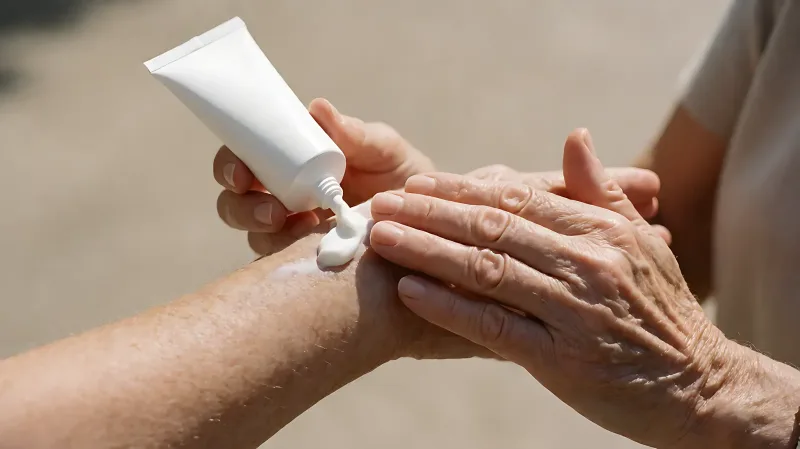
As we age, skin becomes thinner, drier, and more fragile. Learn practical, doctor-backed strategies to keep your skin healthy, hydrated, and protected from further damage.
As we age, skin naturally loses thickness, elasticity, and moisture, leading to dryness, itchiness, and increased fragility. The National Institute on Aging (NIH) notes that older adults often experience thinner outer layers and reduced oil production. To maintain skin health, use gentle cleansers, apply moisturizers daily, and protect skin from sun and environmental irritants. These simple steps help prevent cracking and infection while preserving skin integrity.
For more information, see NIA healthy aging resources from the National Institute on Aging.
How does skin change as we get older?
According to the NIH, the outer layer of skin becomes thinner, paler, and less stretchy with age. Blood vessels beneath the surface become more fragile, which is why older adults often bruise more easily. Additionally, the glands that produce sweat and oil slow down, leading to a loss of natural lubrication. This combination of factors makes mature skin more susceptible to dryness and damage.
What role do hormones and chronic conditions play?
Hormonal shifts, such as those during menopause, can accelerate the thinning and drying of skin. Furthermore, chronic health issues common in older adults, including diabetes, kidney disease, and heart disease, can impact skin health. These conditions may alter blood flow or cause specific skin symptoms, making regular medical check-ups essential for managing overall skin integrity.
Why does dry, itchy skin become more common?
Dry skin, or xeroderma, is a frequent complaint among older adults, often appearing on the lower legs, elbows, and forearms. Cleveland Clinic explains that as oil glands dry up with age, the skin loses its ability to hold moisture effectively. This loss of hydration can cause the skin to feel tight, rough, or scaly. Environmental factors like low humidity, cold weather, and frequent hot baths can exacerbate these symptoms, leading to intense itching that may break the skin barrier.
How can you manage dry skin at home?
To combat dryness, adopt a gentle skincare routine. Use mild soaps and warm water instead of hot water, which strips natural oils. Apply moisturizers like creams or ointments daily, particularly after bathing while the skin is still damp. Consider using a humidifier in your home to add moisture to the air, especially during winter months. Avoid adding bath oils to the water, as this can make the tub slippery and increase the risk of falls, a critical safety concern for older adults.
How should you protect thin and fragile skin?
Because blood vessels are more fragile in older adults, skin bruises easily and heals more slowly. While these bruises are often harmless, unexplained bruising should always be discussed with a doctor to rule out medication side effects or other health issues. Sun protection remains crucial even in maturity. The FDA advises using broad-spectrum sunscreen that protects against both UVA and UVB rays to prevent further damage, age spots, and the risk of skin cancer.
Are anti-aging products worth the investment?
Be cautious with products claiming to reverse aging. The NIH notes that many are classified as cosmetics rather than drugs, meaning they are not required to undergo rigorous human testing or FDA approval for efficacy before hitting the market. Some may even contain harmful heavy metals like mercury or lead. It is best to consult a dermatologist or primary care physician to select safe, effective products suited to your specific skin needs.
What warning signs require medical attention?
While some changes are normal, others may indicate serious conditions. Skin cancer is the most common form of cancer in the United States, and older adults with fair skin are at higher risk. You should check your skin monthly for the ABCDE signs of melanoma: Asymmetry, irregular Borders, Color changes, Diameter greater than a pencil eraser, and Evolving features. A new growth, a sore that does not heal, or a bleeding mole should be evaluated by a doctor immediately. Regular professional skin checks are vital for early detection and treatment.
Frequently Asked Questions
How often should I moisturize if my skin is very dry?
Daily application is recommended. Apply a thick moisturizer or ointment to damp skin within three minutes of showering to lock in moisture. If symptoms persist despite daily care, consult a dermatologist to rule out underlying conditions like eczema.
Can I use regular deodorant and perfume on sensitive skin?
It is best to minimize the use of antiperspirants and perfumes, as they can further irritate dry and thin skin. Stick to fragrance-free, gentle products specifically formulated for mature skin to reduce the risk of contact dermatitis and exacerbation of itchiness.
What is the best type of soap for aging skin?
Choose mild, fragrance-free soaps or cleansers without alcohol. Harsh soaps can strip essential oils from the skin, worsening dryness. Bar soaps that are labeled as hypoallergenic or moisturizing are generally safer options for older adults.
Does drinking more water help dry skin?
Staying hydrated supports overall health and skin appearance, but drinking water alone does not cure dry skin. The primary issue in aging skin is the loss of natural oil and moisture barrier function. Topical moisturizers and lifestyle changes are more effective for directly treating xeroderma.
When should I see a doctor for a bruise?
See a doctor if you have bruising without a known cause, bruises that are large, persist for weeks, or appear on areas usually covered by clothing. This could indicate medication side effects, blood disorders, or other underlying medical issues that require professional assessment.