BPH Treatment Options: Enlarged Prostate Management Guide
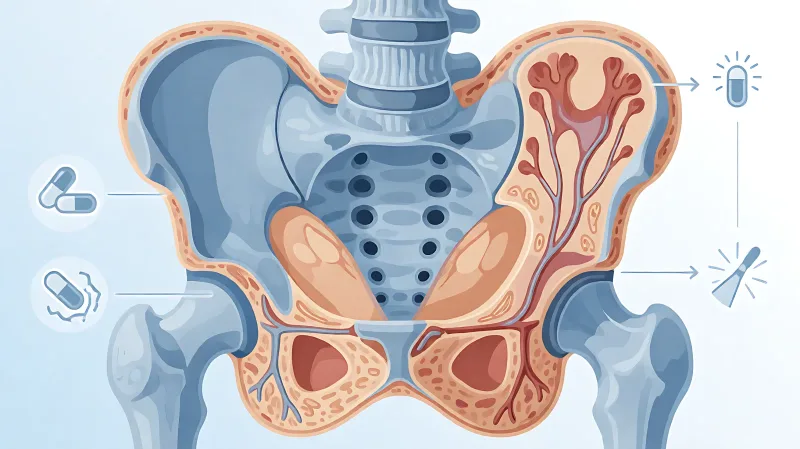
Benign prostatic hyperplasia affects millions of men. This guide breaks down the diagnosis, symptoms, and a spectrum of treatments from medication to advanced surgery.
Benign prostatic hyperplasia, or BPH, is a non-cancerous enlargement of the prostate gland that affects nearly all men as they age. It causes urinary symptoms like weak streams and frequent night urination. Treatment ranges from simple monitoring to medications and surgical procedures. Early management prevents kidney damage and improves quality of life for older men.
For more information, see NIA healthy aging resources from the National Institute on Aging.
What Is BPH and Who Is Affected?
The prostate is a small gland the size of a walnut located below the bladder. It produces fluid that nourishes sperm. As men age, the prostate often grows, squeezing the urethra and blocking urine flow. The American Urological Association notes that BPH is not cancer, but it shares symptoms with prostate cancer. Regular screening is essential for men over 50 to distinguish between the two conditions.
The condition is extremely common. By age 60, about 50 percent of men have some degree of prostate enlargement. By age 85, that number rises to 90 percent. While many men develop the condition, only about half develop symptoms severe enough to require treatment. The growth is driven by hormonal changes, specifically the balance of testosterone and estrogen, along with higher levels of dihydrotestosterone, or DHT, which stimulates prostate cell growth.
What Are the Common Urinary Symptoms?
Symptoms of BPH develop slowly and are often dismissed as normal aging. However, they can significantly disrupt daily life. Common signs include:
- Difficulty starting urination or a weak, interrupted stream.
- Urgency and frequency, including needing to urinate two or more times during the night, a condition known as nocturia.
- A sensation that the bladder is not completely empty.
- Leakage or incontinence due to overactive bladder muscles.
- Blood in the urine, which signals severe blockage or infection.
If left untreated, BPH can lead to complications. Urine may back up into the kidneys, causing hydronephrosis and potential kidney damage. Bladder stones and recurrent urinary tract infections are also risks. The Centers for Disease Control and Prevention emphasizes that managing these lower urinary tract symptoms early prevents long-term organ damage.
How Is Enlarged Prostate Diagnosed?
Diagnosis involves a physical exam, including a digital rectal exam to check prostate size and consistency. Healthcare providers also assess symptom severity using standardized scores. Diagnostic tests may include:
- Uroflowmetry: Measures the speed and pattern of urine flow.
- Post-void residual scan: Determines how much urine remains in the bladder after emptying.
- Cystoscopy: A thin tube with a light is inserted through the urethra to view the bladder and prostate.
- PSA Test: A blood test to screen for prostate cancer, which helps rule out malignancy.
The National Institute of Health recommends that men with persistent symptoms see a urologist. A urologist can distinguish between BPH and prostate cancer, ensuring the correct treatment path.
What Are the Medication Options?
For mild to moderate symptoms, doctors often start with medications. Two main classes are used, sometimes in combination:
Alpha-blockers relax the muscles in the prostate and bladder neck. Medications like tamsulosin and alfuzosin provide rapid relief, often within days. They improve urine flow but do not shrink the prostate. Side effects may include dizziness, low blood pressure, or retrograde ejaculation.
5-Alpha Reductase Inhibitors block the conversion of testosterone to DHT. Drugs like finasteride and dutasteride shrink the prostate over time. These take several months to show full effect but offer long-term benefit. Common side effects include decreased libido and erectile dysfunction.
If symptoms are mild, a strategy of watchful waiting may be appropriate. This involves regular check-ups and lifestyle changes, such as limiting caffeine and alcohol, to avoid aggravating the bladder.
When Are Minimally Invasive Procedures Recommended?
For men who find medications ineffective or prefer to avoid long-term drugs, minimally invasive procedures offer a middle ground. These are typically outpatient treatments with faster recovery times.
- UroLift: Uses small implants to hold open the urethra without cutting tissue. It preserves sexual function and improves flow within a week.
- GreenLight Laser Therapy: Uses a laser to remove obstructing prostate tissue. It is effective for larger prostates and has a lower risk of bleeding than traditional surgery.
- Thulium Fiber Laser Enucleation: A high-powered laser technique that removes tissue without incisions, suitable for both small and large prostates.
These procedures are ideal for men with moderate to severe symptoms who want to maintain sexual function and avoid the risks of major surgery.
What Surgical Options Exist for Severe Cases?
When conservative treatments fail, surgery is the definitive solution. The most common procedure is the transurethral resection of the prostate, or TURP. A surgeon uses an electrically charged loop to remove excess tissue through the urethra. It is highly effective but may cause temporary bleeding and reflux ejaculation.
For men with very large prostates, a robotic simple prostatectomy is an option. This approach uses robotic arms to remove the inner part of the prostate with precision. It results in less blood loss and shorter hospital stays compared to traditional open surgery. The Food and Drug Administration has cleared several of these robotic systems, noting their improved safety profiles for complex cases.
FAQ About BPH Treatment
Can BPH turn into prostate cancer?
No. BPH is a benign condition and does not increase the risk of developing prostate cancer. However, because they share similar symptoms, men should still undergo regular cancer screenings to rule out malignancy.
How long does it take for BPH medication to work?
Alpha-blockers typically provide relief within days to weeks. 5-alpha reductase inhibitors take three to six months to show significant improvement because they shrink the gland slowly.
Does surgery affect sexual function?
Some procedures, like TURP, may cause temporary or permanent retrograde ejaculation, where semen enters the bladder instead of exiting through the penis. Minimally invasive procedures like UroLift and laser therapies are designed to preserve sexual function better.
What lifestyle changes help with BPH?
Reducing caffeine and alcohol intake, avoiding bladder irritants like spicy foods, and scheduling bathroom breaks every two to three hours can help manage symptoms. Keeping a fluid log can also help identify patterns in urinary frequency.
When should I see a doctor?
See a healthcare provider if you experience blood in your urine, inability to urinate, pain during urination, or if symptoms significantly interfere with sleep or daily activities. Early diagnosis prevents kidney damage and offers more treatment options.