Decluttering Senior Living Rooms: Safety and Mental Clarity
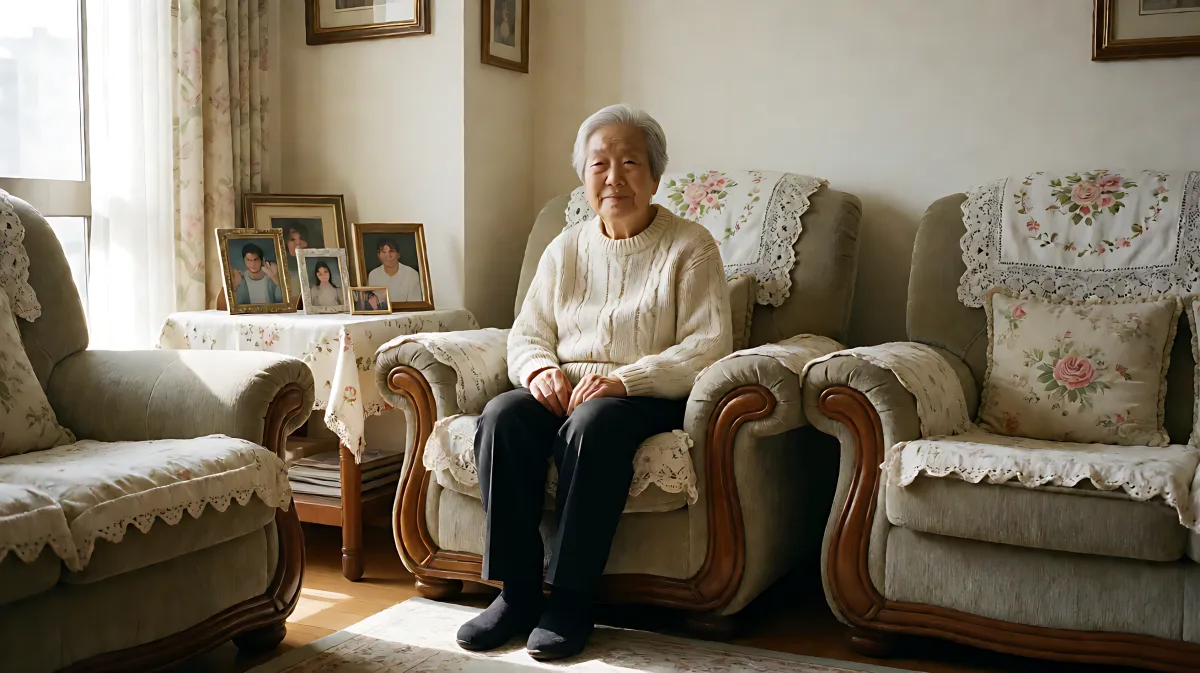
A cluttered living room is more than a mess; it is a safety risk. This guide explains how to tackle senior clutter with empathy, reducing fall hazards and improving cognitive health in 2026.
Decluttering a senior living room is a critical step in reducing fall risks and improving cognitive clarity. Excess items create trip hazards and visual noise that increase stress hormone levels. To address this, start by securing clear pathways for emergency access and organizing essential medications. By prioritizing safety over sentimental attachment, you can create a calm environment that supports mental well-being and independence.
Why Is It So Hard for Seniors to Let Go of Clutter?
For many older adults, possessions are not just objects; they are tangible pieces of a life story. As we age, the accumulation of items over decades becomes a physical form of nostalgia. These belongings often evoke strong emotional responses, providing comfort and a sense of identity. However, this emotional attachment can clash with the practical need for a safe living space.
Research indicates that clutter contributes to higher cortisol levels, the body's primary stress hormone. For seniors who may already be navigating cognitive changes or anxiety, a chaotic environment can exacerbate feelings of confusion and overwhelm. The goal is not to erase history, but to curate the space so it serves the current needs of the resident.
What Are the Health Risks of a Cluttered Environment?
The physical dangers of clutter are significant. The U.S. Centers for Disease Control and Prevention (CDC) reports that falls remain the leading cause of injury-related deaths for adults over 65. While physical decline plays a role, environmental hazards like blocked doorways, stacked paperwork, and overcrowded furniture dramatically increase the likelihood of accidents.
Consider the scenario of an emergency. If doorways are obstructed by oversized furniture or piles of boxes, first responders may struggle to enter the home or access a specific room quickly. For seniors using walkers or wheelchairs, excess furniture limits mobility, making daily navigation difficult and dangerous. Furthermore, a disorganized medicine cabinet can lead to life-threatening medication errors, especially for those with decreased vision or cognitive impairment.
How Do You Organize a Living Room Safely?
Effective organization for seniors requires a different approach than standard home styling. The primary objective is to create a clear path of travel. This means ensuring that walkways are free of rugs, cords, and stacked items. Furniture should be arranged to allow easy turning space, particularly if the resident uses mobility aids.
- Clear the Floor: Remove all tripping hazards. Shoes, bags, and decorative items should be off the ground.
- Secure Lighting: Ensure pathways are well-lit to reduce visual strain and shadows that can be mistaken for objects.
- Optimize Furniture Layout: Keep one side of tables and sofas clear to allow for passing through. Avoid pushing bulky items into corners where they can become obstacles.
Storage is key. Use clear, labeled bins for items that are not daily necessities. This helps reduce the visual clutter of miscellaneous objects while keeping them accessible. For seniors with cognitive decline, visible labels provide crucial cues for where things belong, reducing frustration and confusion.
How Can Technology Help With Room Organization?
In 2026, digital tools are making decluttering more approachable. AI-driven applications now allow users to photograph a room and generate a step-by-step cleaning plan. These tools are particularly beneficial for those who feel overwhelmed by the scale of the task. By breaking down the work into micro-tasks, such as clearing one surface at a time, these apps reduce decision fatigue.
For seniors and their caregivers, these tools can help create a visual preview of the organized space, providing motivation to complete the tasks. The focus remains on simplicity: one task on the screen at a time, with no pressure to complete the entire room in a single sitting. This method aligns with the principle of starting small to maintain momentum and prevent burnout.
What Role Does Empathy Play in Sentimental Items?
Decluttering with empathy means respecting the emotional weight of possessions. Instead of forcing a senior to throw away memories, offer alternative solutions. For example, photographing a family heirloom allows the image to be preserved while the physical object is donated or discarded. This satisfies the need to keep the memory without the physical bulk.
Ask family members if they wish to inherit specific items. If no one claims an item, it is an opportunity to donate it to those in need. This process transforms the act of letting go from a loss into a positive contribution. It also helps in reducing the total volume of items that need to be managed daily.
How Do You Handle Medications and Personal Care Items?
Medication management is a critical aspect of home safety. Expired drugs must be disposed of properly, and current medications should be sorted in clearly labeled organizers. This prevents the confusion that arises when pills are scattered across cabinets or drawers. For seniors with visual impairments, high-contrast labels and large fonts are essential.
Personal care items, such as walkers, shower chairs, and oxygen concentrators, should have designated, unobstructed spots. This ensures that they are ready for use without requiring the resident to dig through clutter to find them. A systematic approach to these items reduces the risk of falls and ensures that emergency equipment is immediately accessible.
Frequently Asked Questions
Is it safe to use a ladder when organizing high shelves?
No. Climbing ladders is one of the most dangerous activities for seniors. Instead, use a sturdy step stool with a handrail, or hire a professional service to handle high-reach cleaning and organizing. Safety must always be the priority.
How often should a senior living room be decluttered?
A quick review of high-traffic areas should be done weekly. A deeper sort of storage areas and sentimental items is best done quarterly. Regular maintenance prevents the re-accumulation of excess items and keeps the space functional.
What if the senior refuses to let go of anything?
Respect their autonomy. Focus on safety hazards first, such as blocked exits and trip risks. You can work on emotional attachment later. Often, seeing a cleared pathway improves their quality of life, which may eventually lead to a willingness to tackle sentimental items.
Can AI apps replace a professional organizer?
AI apps are excellent for planning and motivation, but they cannot offer the emotional support and physical labor of a professional organizer. For seniors with significant cognitive challenges or mobility issues, a professional service is recommended to execute the plan safely.
How does decluttering affect cognitive function?
A cluttered environment forces the brain to process excess visual stimuli, which can impair concentration and increase stress. A clear, organized space reduces this cognitive load, allowing for better focus, lower anxiety, and improved mental clarity.