Effective Stretches for Stiff Joints and Arthritis
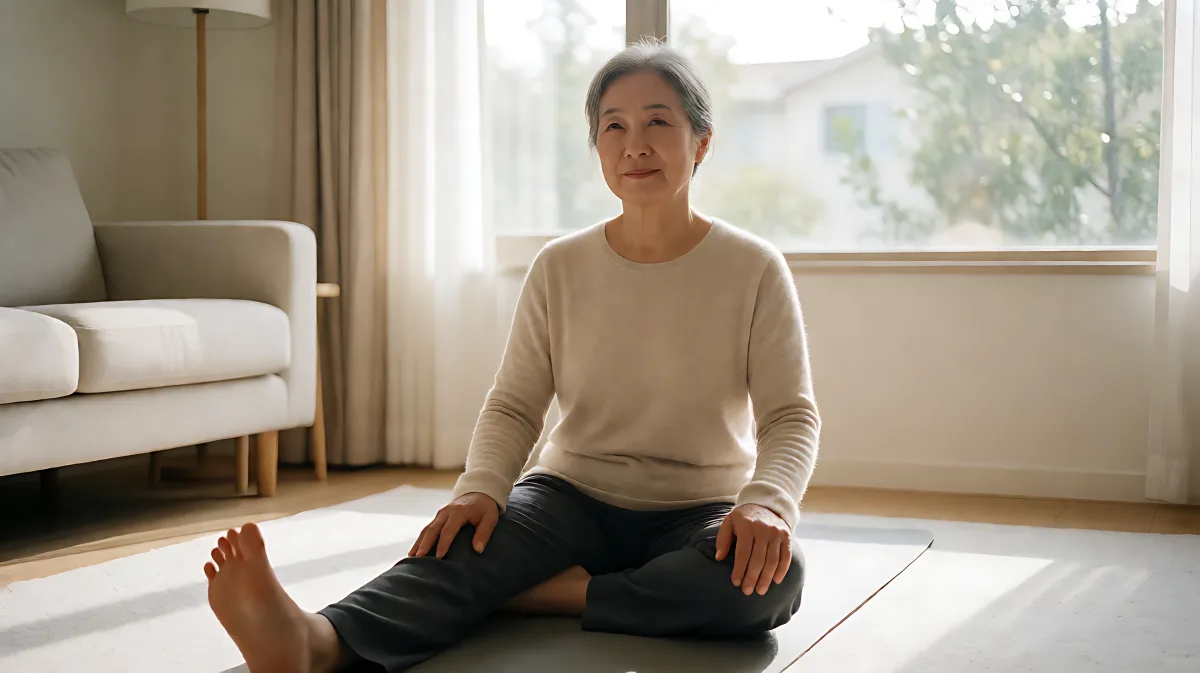
Stiff joints can limit your daily movement, but a consistent routine of gentle stretching can restore flexibility. Explore proven exercises for the spine, hips, knees, and hands that help reduce pain without causing injury.
Gentle, consistent stretching is the most effective way to reduce joint stiffness and improve mobility for people dealing with arthritis or age-related joint tightness. A simple fifteen-minute routine can ease discomfort in the spine, hips, and hands while promoting better circulation and range of motion without the risk of injury associated with high-impact exercise.
Why Is Gentle Stretching Essential for Joint Health?
Many people assume that resting is the best way to manage joint pain, but in fact, inactivity can worsen stiffness and lead to a cycle of chronic discomfort. Regular mobility exercises help maintain the fluid that lubricates your joints and keep the surrounding muscles flexible. According to clinical guidance from the New York Physical Therapy Association, consistent movement is crucial for preventing the morning stiffness that often accompanies conditions like osteoarthritis. By keeping your range of motion active, you ensure that everyday tasks like climbing stairs or picking up items become significantly less painful.
What Are the Best Stretches for Back and Hip Stiffness?
The spine and hips are frequently affected by sedentary lifestyles and inflammatory conditions. Two highly effective movements for these areas are the Cat-Cow stretch and the Lunge. The Cat-Cow exercise promotes spinal mobility by coordinating breath with movement. Start on your hands and knees, then inhale as you drop your belly and lift your chest. Exhale as you round your back. Repeat this cycle for five to ten slow breaths to warm up the entire spine.
For the hips, the Lunge stretch targets tight hip flexors. Step one foot forward into a lunge position, keeping your back leg extended on the floor. Gently press your hips forward to feel the stretch in the front of the hip. Hold this position for ten to fifteen seconds before switching sides. This specific hold time is recommended to allow the muscle fibers to relax without causing strain.
How Can You Improve Mobility in Knees and Legs?
Knee stiffness often limits walking and standing for extended periods. The Seated Knee Extension is a low-impact exercise that supports knee joint movement. Sit upright in a sturdy chair with your feet flat on the floor. Slowly straighten one leg, holding the extension briefly, then lower it with control. Repeat on the other side. This exercise is safe for individuals who have had knee surgery, provided they do not feel sharp pain. Another helpful move is the Hamstring Stretch, which involves sitting on the edge of a chair, extending one leg with the heel on the floor, and leaning slightly forward from the hips. Holding this stretch for fifteen to twenty seconds helps reduce strain on the lower back and knees.
What Exercises Support Hand and Shoulder Flexibility?
Joint stiffness is not limited to the lower body; hands and shoulders also suffer from reduced mobility. For the hands, the Towel Squeeze is a simple yet effective drill. Hold a rolled-up towel or a large sponge in one hand and squeeze for five seconds, then relax. Repeat this ten to fifteen times for each hand to improve dexterity. For the shoulders, the Corner Stretch is excellent for opening the chest and front of the shoulders. Stand two feet away from a doorway or corner, place your hands at shoulder height on the walls, and lean your body weight gently into the opening. Hold this static stretch for thirty seconds to release tension in the upper body.
How Do You Build a Safe Daily Stretching Routine?
Consistency is the key to seeing long-term results in joint health. While daily stretching is ideal, even performing these exercises three to four times a week can yield noticeable benefits over time. To ensure safety and effectiveness, follow this structured approach:
- Warm Up First: Start with five minutes of gentle marching or arm swings to increase blood flow before static holding stretches.
- Use a Chair for Support: Many of these exercises, such as the seated knee extension and trunk rotation, can be performed while sitting, which provides stability for those with balance issues.
- Listen to Your Body: You should feel a mild pulling sensation, but never sharp pain. If a movement causes pain, stop immediately and consult a healthcare provider.
- Breathe Steadily: Avoid holding your breath. Deep, rhythmic breathing helps relax the nervous system and allows muscles to release tension more effectively.
Frequently Asked Questions
Is it better to stretch before or after a warm shower?
Stretching after a warm shower is often more comfortable because the heat increases blood flow and relaxes muscles. However, for people with severe morning stiffness, a gentle routine performed in bed before showering can help break the initial immobility. The most important factor is consistency, regardless of the time of day you choose to move.
How long should I hold each stretch?
For static stretches like the hamstring or hip flexor holds, aim for fifteen to thirty seconds. Dynamic movements like ankle circles or arm rotations should be performed for eight to ten repetitions. Bouncing during a static stretch is dangerous and should be avoided, as it can trigger a protective reflex that tightens the muscle further.
Can these exercises help with fibromyalgia or chronic back pain?
Yes, low-impact mobility work is often recommended for fibromyalgia and chronic back pain to improve circulation and reduce muscle guarding. The key is to keep the intensity very low. If you have a diagnosis of a complex chronic pain condition, work with a physical therapist to tailor the range of motion to your specific tolerance levels.
Do I need special equipment to start stretching?
No special equipment is required. A stable chair, a small hand towel, and a yoga mat or carpeted floor are sufficient. The focus should be on body mechanics and breath, rather than props. Simple household items can serve as resistance tools, such as a rubber band for finger extension exercises, but your own body weight is usually enough to achieve significant mobility gains.