Designing a Safe and Stimulating Home Environment for All Ages
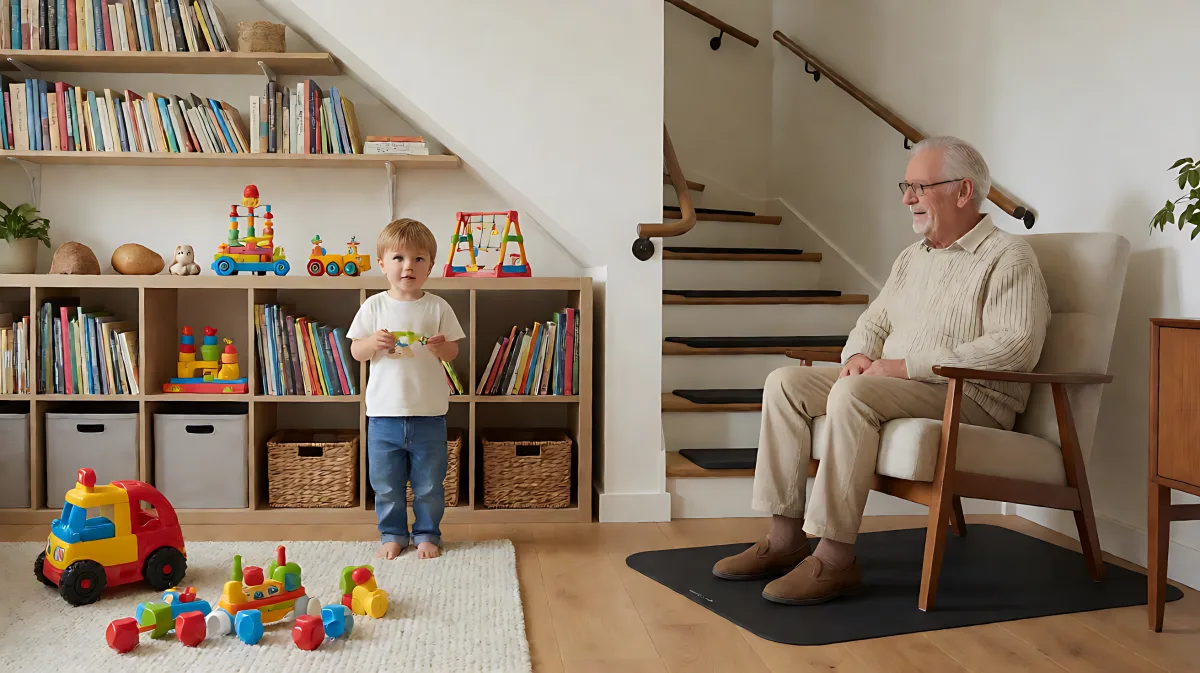
An optimal home environment supports both cognitive development and physical safety. Discover how to adapt your space for young children and older adults to enhance well-being and independence.
Designing a home environment requires balancing safety for older adults with the need for stimulation for young children. UNICEF data indicates that millions of children lack adequate responsive interaction, while seniors often face high fall risks. By auditing your home for hazards and installing age-appropriate resources, you can create a space that supports health and independence for all residents.
Why the Home Environment Shapes Development and Safety
The physical and social conditions of a home are critical to a resident's well-being. For young children, an optimal environment includes safe, organized physical conditions and the presence of developmentally appropriate objects like books and toys. UNICEF estimates that approximately 4 in 10 children aged 2 to 4 years do not receive enough responsive interaction or stimulation at home. This lack of engagement in early learning activities can hinder cognitive and social development. For older adults, the home must prioritize physical safety. Falls remain a leading cause of injury among seniors, making a stable and accessible living space essential for maintaining independence.
How Can You Optimize a Home for Young Children?
Engagement in early stimulation and responsive, playful interactions with caring adults is essential for brain development. According to UNICEF, around 1 in 10 children miss out on critical activities such as reading, storytelling, singing, and drawing. To address this, caregivers should establish dedicated time for these interactions. The organization's 2026 report, The Power of Play, highlights that over 80 million children globally do not play with their caregivers at home. Additionally, more than 90 million children under age 5 do not have any playthings, such as store-bought toys or household objects, for play. Providing these resources helps model healthy social relationships and contributes to later academic success.
What Are the Top Strategies for Fall-Proofing a Senior's Home?
Creating a safe environment for seniors begins with recognizing their unique needs, such as better lighting and reduced trip hazards. A comprehensive home safety audit is the foundation of this process. It involves examining each area to identify potential dangers like loose carpets or inadequate lighting. Specific strategies include securing rugs with non-slip pads, keeping floors clutter-free, and installing handrails. These small adjustments can significantly mitigate the risk of accidents and allow older adults to age in place with confidence.
How Do You Improve Accessibility for Older Adults?
Accessibility is crucial for anyone with mobility issues. Ensuring a space is usable for all encourages independence. Key modifications often include the installation of ramps, widening doorways, and adding stairlifts. Bathroom safety is particularly important, so consider installing shower seats and raised toilet seats. The American Occupational Therapy Association suggests that professionals can assess homes to recommend specific modifications, such as rearranging furniture to reduce fall risks. These changes help residents perform daily tasks with greater ease and safety.
How Can Families and Professionals Support the Home Care Process?
Nearly 53 million Americans provide unpaid care to adults aged 50 or older, often within their own homes. As the cost of long-term care rises, creating a supportive environment at home is a priority. Families should list a loved one's limitations and necessary equipment to create a clear plan. Professional help, such as occupational therapists and geriatric care managers, can provide tailored solutions. The Aging Life Care Association notes that consulting experts helps families coordinate long-term care and navigate the complexities of elder care. Many long-term care insurance policies also cover specific home upgrades to make the space more age-friendly.
What Role Does Technology Play in Home Safety?
Technology offers powerful tools for enhancing safety and comfort. For seniors, smart home systems can monitor security and health, while medical alert devices provide immediate assistance in emergencies. For families with young children, apps and digital resources can facilitate learning and play. Integrating these tools into a home care plan ensures that residents receive the right support at the right time, bridging the gap between professional care and daily life.
How Can You Manage the Costs of Home Modifications?
Modifications can range from simple DIY projects to professional installations. Families can start with inexpensive tasks like installing grab bars or adding non-slip mats. For larger projects, such as installing a stairlift, it is important to check for funding programs and grants that may be available to help cover the costs. Additionally, reviewing long-term care insurance policies can reveal coverage for specific home upgrades. Planning for these expenses early prevents financial strain and ensures that the home remains a safe haven.
Frequently Asked Questions
What is the most effective way to prevent falls in a home with seniors?
The most effective method is a proactive home safety audit. Identify and remove trip hazards like loose rugs and clutter, ensure adequate lighting in all areas, and install handrails on stairways. Regular reviews of the living space are also important to catch new risks as needs change.
How much time do children need for responsive care at home?
There is no single fixed number of hours, but consistent, daily interaction is key. Activities like reading, singing, and playing should be part of the routine. The goal is to provide opportunities for cognitive and social development, which varies by the child's age and interests.
Do long-term care insurance policies typically cover home modifications?
Many policies do cover home upgrades, such as installing grab bars or ramps, within specific limits. It is essential to review your individual policy to understand which age-friendly modifications are included and to file claims in a timely manner.