Rural Fall Prevention: Staying Independent for Older Adults
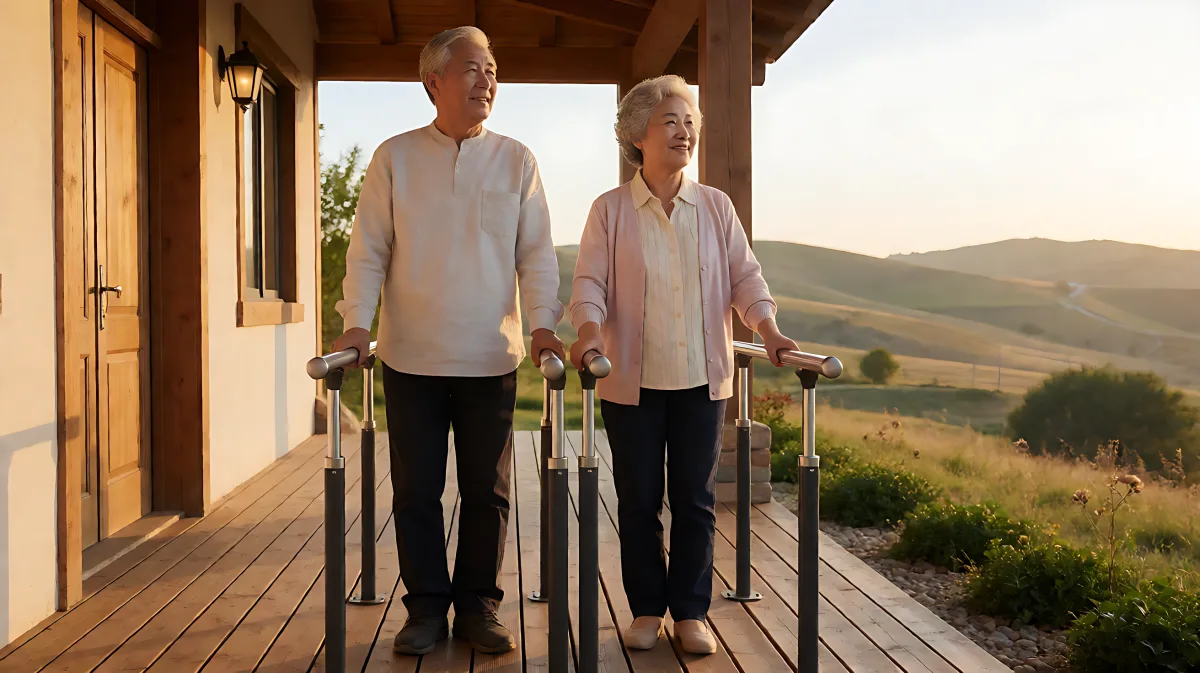
Falls are a leading cause of injury among older adults, particularly in rural communities with limited healthcare access. This guide outlines evidence-based exercises, home safety adjustments, and medical strategies to reduce fall risks and maintain independence.
Falls are the leading cause of injury-related death among adults aged 65 and older, yet many remain silent about their risk. For independent seniors in rural areas, the distance from hospitals and limited public transport makes prevention even more critical. You can significantly reduce your risk by combining targeted balance exercises, home safety modifications, and regular medication reviews. The Centers for Disease Control and Prevention reports that more than one in four older adults falls annually, but only half of these individuals tell their doctor. Taking proactive steps now helps protect your mobility and peace of mind.
Why Are Rural Older Adults at Higher Fall Risk?
Living in a rural area often means navigating unique environmental and logistical challenges that increase fall susceptibility. While urban seniors might worry about busy crosswalks, rural residents face uneven terrain, icy driveways, and limited access to physical therapy. The CDC notes that falls are the most common cause of traumatic brain injuries in this age group. Furthermore, rural communities often have fewer local resources for immediate rehabilitation after an injury. According to the National Center for Injury Prevention and Control, nearly 319,000 older adults are hospitalized for hip fractures each year, a devastating injury that is frequently preventable.
What Specific Barriers Exist in Remote Communities?
Access to healthcare is a major hurdle. Many rural older adults drive long distances to see a specialist, making it difficult to report minor fall incidents or schedule follow-ups. This delay can allow risk factors to escalate unnoticed. Additionally, limited local activity options can lead to muscle atrophy, particularly during colder months. The isolation that comes with remote living can also contribute to depression and reduced motivation, both of which are linked to poor physical function. Community health centers, such as Cama’i Community Health Center in Alaska, emphasize that aging well in these regions requires adapting to seasonal changes and maintaining strong community ties to ensure support is available when needed.
How Can Exercise Programs Reduce Fall Risk at Home?
Structured physical activity is one of the most effective ways to build the strength and balance needed to prevent falls. You do not need a gym membership to stay safe; evidence-based programs can be done in your living room. EnhanceFitness, an evidence-based program managed by Sound Generations, is specifically designed for aging adults. It focuses on cardiovascular exercise, strength training, and dynamic balance. Research from the University of Washington indicates that participants in this program show significant improvements in pain, anxiety, and physical function over a twelve-week period.
What Are the Best Exercises for Balance and Stability?
Focus on a combination of aerobic movement, resistance training, and balance work. The National Institute on Aging recommends that focusing on just one type of activity is insufficient for overall health. For rural seniors, practical exercises include:
- Chair Stand-ups: Practice standing up and sitting down from a sturdy chair without using your arms. This strengthens the lower body, which is crucial for recovering from a stumble.
- Tandem Stance: Stand with one foot directly in front of the other, heel to toe, and hold the position for 30 seconds. This challenges your static balance.
- Light Resistance Work: Use household items, like water bottles or light cuff weights, to perform bicep curls, squats, and lunges. This helps counteract the natural loss of muscle mass associated with aging.
- Slow Walking: Walk around your home or yard, focusing on keeping your posture upright and swinging your arms naturally. This improves coordination without requiring specialized equipment.
Livestream versions of these programs are increasingly popular among rural residents. A pilot study involving Arbor Health in Washington state found that digital delivery was feasible and acceptable, with participants reporting high satisfaction. This model allows seniors to receive professional instruction and social support without the burden of travel.
What Home Safety Changes Are Most Effective?
Your home is your primary workspace, and minor hazards can cause major injuries. A thorough home audit can identify trip and slip risks before they lead to a fall. The CDC identifies broken steps, throw rugs, and clutter as common home hazards that contribute to falls. In rural homes, which may be older and less frequently inspected, these issues can be more prevalent.
How Should You Modify Your Living Space?
Start with a walkthrough of your home using a flashlight to check for dimly lit areas. Consider the following modifications:
- Lighting: Install brighter bulbs and motion-activated lights in hallways and bathrooms. Good lighting is vital for navigating stairs and uneven outdoor paths.
- Surfaces: Remove loose throw rugs and secure non-slip mats in the bathroom and kitchen. These are critical in preventing slips on wet surfaces.
- Footwear: Wear sturdy shoes with non-slip soles, even when indoors. Slippers without heels or thin socks can lead to foot slips.
- Grab Bars: Install sturdy grab bars in the shower and next to the toilet. These provide support when standing up, a common time for falls to occur.
- Call for Help: Keep a charged phone within reach in all main rooms. In rural areas, emergency response times can be longer, so having a personal alert system can be a lifesaver.
How Does Medication Management Impact Fall Risk?
Many medications commonly taken by older adults can affect balance and alertness. The CDC highlights that the use of tranquilizers, sedatives, antidepressants, and even some over-the-counter pain relievers can increase fall risk. A condition called postural hypotension, where blood pressure drops upon standing, is also a significant risk factor, particularly in rural seniors who may manage their own medications without frequent pharmacist checks.
What Should You Ask Your Doctor?
During your next check-up, request a comprehensive medication review. Ask specifically which drugs might cause dizziness, drowsiness, or low blood pressure. If you take multiple prescriptions, coordinate with your pharmacist to see if doses can be adjusted to minimize side effects. The CDC’s STEADI initiative encourages providers to screen for fall risk and intervene by modifying medications. For rural patients, consider using telehealth services to consult with pharmacists or physicians about your medication list. This is especially important if you notice increased unsteadiness or fatigue after taking a specific dose.
Why Are Regular Health Screenings Important?
Underlying medical conditions like vision loss, hearing impairment, vitamin D deficiency, and lower body weakness are major contributors to falls. Regular screenings allow for early detection and treatment. Vitamin D deficiency, which is common in northern rural areas due to limited sunlight, weakens bones and muscles, making fractures more likely if a fall does occur. The Arthritis Foundation links joint pain to a significantly higher risk of falling; people with pain in two or more joints have a much higher chance of falling than those without joint pain. Managing arthritis through exercise and proper medical care is therefore a key part of fall prevention.
What Screening Tests Are Recommended?
- Vision and Hearing: Schedule annual eye and hearing exams. Sensory deficits make it harder to detect obstacles and maintain spatial orientation.
- Bone Density: Ask about a DEXA scan to check for osteoporosis, which increases the risk of broken bones during a fall.
- Blood Work: Test for vitamin D levels and check for anemia, which can cause fatigue and dizziness.
- Blood Pressure: Monitor for orthostatic hypotension by checking your blood pressure while sitting and then standing up.
In rural Alaska, health centers like Cama’i emphasize that regular check-ups are vital for detecting small issues before they become life-threatening problems. They also stress the importance of chronic disease management, such as controlling diabetes and high blood pressure, which can affect nerve function and balance.
How Can Community Support Help Prevent Falls?
Isolation is a significant health risk for rural older adults. Connecting with your community provides both emotional support and practical assistance. Community-based fall prevention programs, such as those supported by the National Council on Aging, show that social engagement reduces the risk of falls by keeping seniors active and motivated. Engaging in volunteer work, attending local church or town events, and joining senior groups can all contribute to better mental health and physical activity levels. Additionally, having a neighbor or family member who checks in regularly can help spot warning signs, such as medication non-compliance or emerging balance issues, earlier than a distant doctor might.
Frequently Asked Questions
What is the best evidence-based exercise program for rural seniors?
EnhanceFitness is widely recognized as an effective, evidence-based program for older adults. It is suitable for home delivery and focuses on balance, strength, and cardio. Programs like the Otago Exercise Programme are also highly recommended for their low-cost, high-efficacy approach to fall prevention.
How can I tell if I have vitamin D deficiency?
Common signs include fatigue, bone pain, and muscle weakness. However, the only way to know for sure is through a simple blood test. Given the higher fall risk associated with low vitamin D, it is wise to request this test during your annual physical, especially if you live in a region with limited winter sunlight.
Are home modifications worth the cost in rural areas?
Yes, the return on investment is significant. The CDC reports that falls result in millions of emergency room visits annually. A simple modification, like installing a grab bar or removing a trip hazard, can prevent a catastrophic hip fracture. Many community health centers offer home safety assessments at little to no cost, which can guide you to the most impactful changes.
How do I stay safe when using assistive devices in uneven terrain?
Use non-slip footwear and adjust your pace to the ground conditions. Stick to clear paths whenever possible. If you use a walker or cane, ensure the rubber tips are in good condition. In very slick conditions, such as icy rural driveways, it is safer to avoid the activity or use protective gear like ice cleats on your shoes.
What should I do if I fall and cannot get up?
Stay calm and conserve energy. Try to call for help using a cell phone or personal emergency response system. If you cannot move, call 911 or your local emergency number. Keep a list of emergency contacts and your medication list in a waterproof pouch or taped to a refrigerator, so responders have the information they need quickly.