Why Rigid Morning Routines Raise Fall Risk for Seniors
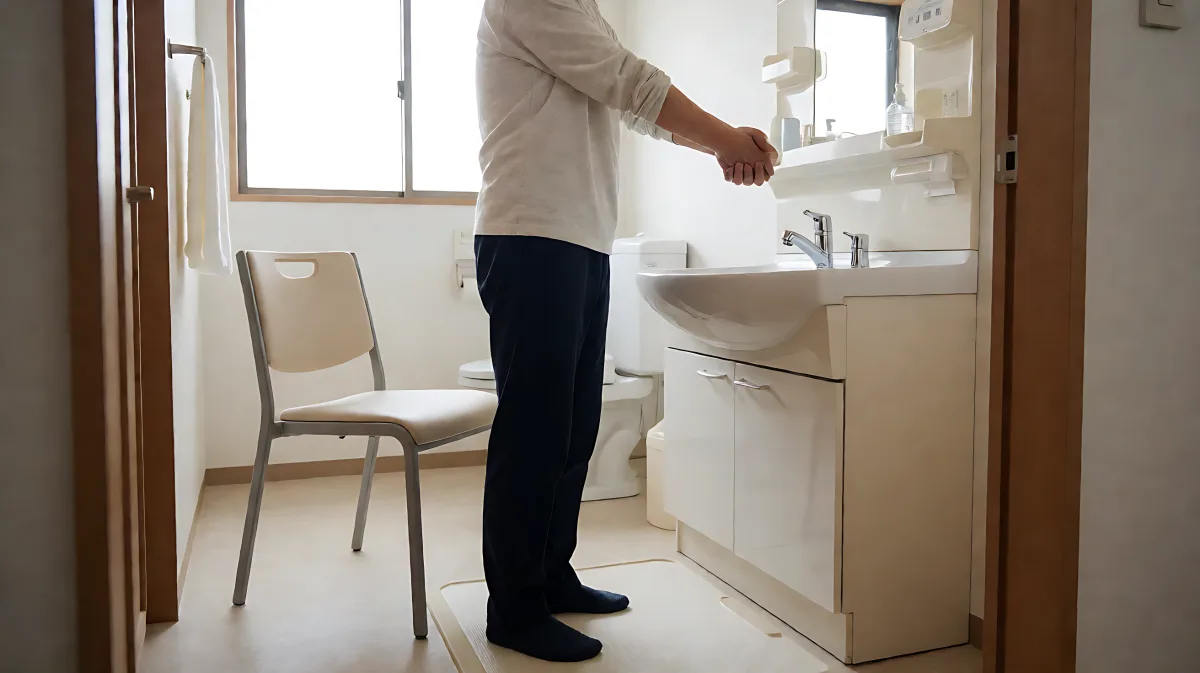
Rigid morning routines can inadvertently raise fall risk for older adults by masking balance issues and reducing cognitive flexibility. Adjusting these habits can improve safety.
Strict, unchanging morning routines can increase fall risk for adults aged 65 and older by reducing cognitive flexibility and masking early signs of balance impairment. According to the Centers for Disease Control and Prevention, more than one in four older people falls annually, and falling once doubles the likelihood of falling again. While routines provide structure, rigid adherence to a fixed sequence of tasks can compromise safety when physical or environmental factors change unexpectedly.
Why does a fixed morning sequence compromise balance?
Many seniors rely on automatic, muscle-memory driven sequences to get through their mornings. This automation can be dangerous because it suppresses active environmental scanning. When a person moves through a familiar path with eyes on a task, such as checking a phone or brushing teeth, they may fail to notice temporary hazards like a wet floor or a shifted piece of furniture. The United States Centers for Disease Control and Prevention identifies lower body weakness and difficulty with balance as primary risk factors for falls. When a routine removes the need to consciously assess one's surroundings, it creates a blind spot that makes tripping or slipping significantly more likely.
How do cognitive habits affect physical stability?
The brain requires a certain amount of executive function to manage balance and coordination. When the morning is packed with rigid, time-pressured tasks, the cognitive load can overwhelm an aging brain, leading to a "freeze" response or a stumble. Research into older adult fall prevention highlights that many risk factors, including the use of sedatives or antidepressants, further reduce the brain's ability to adapt to sudden changes. A rigid routine leaves no room for the necessary pauses to stabilize one's posture before moving to the next room.
What specific morning activities raise the risk of injury?
Two common morning scenarios are particularly dangerous for older adults: rushing to the bathroom and managing personal hygiene tasks. A large proportion of falls occur at home, often on wet floors. The Centers for Disease Control and Prevention reports that there are approximately 4.5 million emergency department visits annually due to older adults falling, with 1.4 million resulting in hospitalization. While not every fall leads to severe injury, the CDC notes that 83 percent of hip fracture deaths are caused by falls. Rushing to get ready often means running on smooth surfaces or stepping over obstacles to reach the bathroom quickly. Slow down is the most critical adjustment; taking time to stabilize on one foot at a time significantly reduces the chance of losing balance.
Why is rushing to the bathroom a top risk factor?
Bladder control issues and the need to use the restroom quickly are common, leading many seniors to sprint through their homes. This speed, combined with the physical vulnerability of age, makes the bathroom a primary site for injuries. Approximately 319,000 older adults are hospitalized for hip fractures each year, many of which result from a simple fall. By prioritizing speed over posture, a rigid "get up and go" routine ignores the physiological need for stability. Incorporating a two-second pause at doorways and while turning can prevent these high-impact injuries.
How can you adapt a routine to enhance safety?
Modifying a routine does not mean abandoning structure; it means building in "safety buffers." These are small pauses and checks that allow the body and mind to adjust to the current state of the environment. One approach is to break the morning into three distinct phases: waking, hygiene, and departure. Each phase should include a specific balance check, such as standing still for ten seconds or testing the stability of a walker or cane before stepping.
What is the role of lighting and environment in morning safety?
A rigid routine often assumes a static environment, but homes are dynamic. Shadows change with the sun, and clutter accumulates. The Centers for Disease Control and Prevention emphasizes that home hazards, such as uneven steps or loose rugs, are major contributors to falls. Instead of moving through the house in a single, unbroken flow, pause to scan each room. Ensure that all lighting is at full brightness, as dim mornings can obscure trip hazards. This environmental scanning should be a mandatory step in any safety-focused morning sequence.
What medical factors should be considered?
If a rigid routine involves specific medications, it is crucial to align the timing of those drugs with their peak effects. For instance, some blood pressure medications can cause dizziness when a person stands up quickly from a chair. This "orthostatic hypotension" is a significant risk factor. Taking a moment to sit at the edge of the bed or chair before standing can prevent a fall. Always consult a healthcare provider to review medication schedules and their impact on balance. The CDC notes that vision problems and foot pain are also modifiable risk factors that should be addressed with professional care rather than just accommodated by a routine.
How do fear and confidence affect movement?
A rigid routine can sometimes be born from fear of the unknown. However, the fear of falling itself can lead to restricted movement and muscle deconditioning. The CDC points out that many people who fall, even without injury, become afraid to move freely. This fear leads to weaker muscles, which then increases the actual risk of falling. A flexible routine that encourages, rather than restricts, safe movement helps maintain strength and confidence. It allows the senior to assess their own limits and adjust their pace accordingly.
Frequently Asked Questions
Does a routine actually make me faster?
A well-designed routine makes you more efficient, but not necessarily faster. For older adults, efficiency should be measured by safety rather than speed. A flexible routine that includes deliberate pauses and environmental checks is safer and leads to fewer injuries than a hurried, rigid sequence. The goal is to complete tasks with full awareness of your balance and surroundings.
How often should I check my home for hazards?
It is recommended to perform a quick visual scan of your path each morning. For a more thorough audit, checking for loose rugs, clutter, and poor lighting once a week is a good practice. Regular professional assessments are also helpful to ensure that your physical needs are being met as you age.
What is the most effective fall prevention intervention?
According to the CDC, combining clinical interventions with environmental modifications is most effective. This includes strength and balance exercises, medication reviews, and home safety checks. No single habit change is enough; a holistic approach to your morning routine and daily life provides the best protection against falls.
Is it okay to rely on automatic habits if I am healthy?
While healthy individuals can manage some automatic habits, even a minor change in balance or a new medication can make a rigid habit dangerous. Always maintain a degree of cognitive awareness in your daily sequence. If you feel off-balance, stop and reset. Flexibility in your routine is a safety feature, not a weakness.