Learn Language Skills by Cooking: A Practical Guide
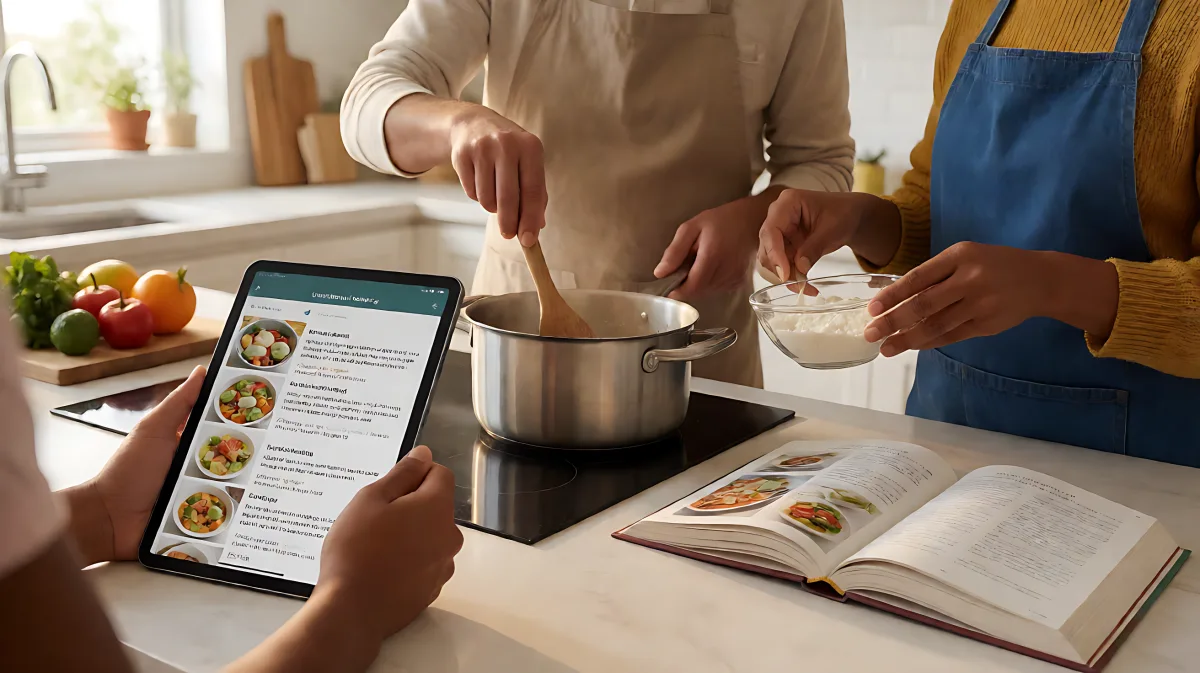
Cooking is not just a domestic chore; it is a potent tool for language acquisition. By analyzing the cognitive demands of recipes and culinary tasks, you can systematically build vocabulary, improve sequencing skills, and deepen cultural literacy.
Cooking offers a unique method for reverse-engineering language skills by transforming culinary tasks into cognitive exercises. Instead of memorizing vocabulary lists, learners and caregivers can use the structure of recipes to sharpen sequencing, descriptive language, and cultural understanding. This approach leverages the multisensory nature of food preparation to embed new linguistic concepts into physical actions, making language acquisition tangible and enjoyable.
Why the Kitchen Is a Powerhouse for Language Development
The kitchen is a universal setting that engages all five senses, a requirement highlighted by researchers at Newcastle University in their study on task-based language learning. Unlike a classroom, where tasks can often feel abstract, cooking produces a tangible outcome that can be eaten and shared. Paul Seedhouse, a professor at Newcastle University, argues that this multisensory engagement acts as a vivid, kinesic experience that helps retain vocabulary far better than passive study. When you smell fresh basil or feel the texture of dough, your brain creates stronger neural associations with the words describing those items.
For individuals with memory impairments, such as dementia, cooking serves as a therapeutic bridge to lost skills. Clinical evidence shows that a twelve-week cooking program can significantly reduce behavioral and psychological symptoms of dementia. Specifically, studies indicate that older adults who prepare at least one home-cooked meal weekly experience a thirty percent reduction in dementia risk, while those with limited cooking skills may see a risk reduction of up to sixty-seven percent. This activity reactivates executive functions like planning and decision-making, allowing patients to regain a sense of purpose and dignity through familiar routines.
How Does Recipe Narration Improve Sequencing Skills?
Following a recipe is essentially a practical exercise in logical sequencing and instruction-following. To enhance this, participants should narrate their actions out loud. Instead of simply adding ingredients, a learner might say, "First, I wash the vegetables, and then I chop them into small pieces." This process forces the brain to translate physical movement into linear language, strengthening comprehension of sequential concepts. For children and adults alike, this narration bridges the gap between doing and saying, ensuring that the internal monologue aligns with external communication.
What Role Does Descriptive Vocabulary Play in Cooking?
Cooking provides a rich context for expanding descriptive language. Learners can focus on the sensory attributes of ingredients, distinguishing between the smoothness of melted chocolate and the graininess of sugar. By comparing aromas, such as the fragrance of baking bread versus the sharp scent of lemons, participants practice precise adjective use. This descriptive practice not only boosts vocabulary but also enhances the ability to convey nuanced information, a key component of advanced language proficiency.
Using Technology to Bridge Language Gaps
Digital tools have made it easier to integrate language learning with culinary tasks. The Linguacuisine app, developed by researchers at Newcastle University, allows users to cook a meal while receiving instructions in a target language. The app provides photos, audio, and video support for each step, creating a safety net for learners. This technology-driven approach supports task-based language learning by providing immediate feedback and multimodal reinforcement. Users work in pairs, encouraging collaborative communication in the target language, which reinforces social language skills and cultural exchange.
How Can Bilingual Cookbooks Enhance Retention?
Bilingual cookbooks are a practical resource for comparing linguistic structures across two languages. By reading a recipe in a second language and comparing it to a native language version, learners can identify specific culinary terminology and grammatical patterns. This side-by-side comparison helps solidify vocabulary related to measurements, cooking techniques, and ingredients. It turns the routine act of cooking into a structured study session, where the goal is not just the meal, but the linguistic insights gained along the way.
Cognitive Benefits Beyond Vocabulary
Cooking demands multitasking, requiring the user to prepare ingredients while monitoring timing and temperatures. This cognitive flexibility is vital for language learners who must switch between thoughts, recall instructions, and engage in conversation simultaneously. The problem-solving aspect of cooking also sharpes critical thinking. For instance, if an ingredient is missing, the learner must brainstorm substitutions, a process that involves reasoning and communicative planning. These skills translate directly to language use, where adaptability is key to successful interaction.
Why Is Cultural Immersion Important in Language Learning?
Food is deeply intertwined with culture. Preparing a traditional dish offers insight into the historical and social contexts of a language. When learners discuss regional variations or family traditions while cooking, they move beyond basic vocabulary into cultural competence. This immersion fosters a deeper appreciation for the language being studied, as they understand not just what words mean, but what they represent in terms of identity and community. It creates a respectful and empathetic approach to language acquisition, viewing cuisine as a gateway to understanding another way of life.
FAQ
Can cooking improve language skills for adults with dementia?
Yes. Cooking therapy engages executive functions and procedural memory, which can help reconnect lost skills. Studies show that cooking programs can reduce agitation and improve cognitive engagement for individuals with early-stage Alzheimer's disease, providing a meaningful and rewarding activity.
What is the best age to start using cooking for language development?
There is no single best age, but the activity is effective for young children, adults learning a new language, and older adults with memory loss. The complexity of the recipe can be adjusted to suit the individual's language proficiency and physical abilities.
Do I need to be a skilled cook to use this method?
No. Simple recipes with few steps are often ideal for language learning. The focus is on the process of following instructions and narrating actions, not on achieving professional culinary results. Simplicity allows the learner to focus on language rather than technical skill.
How can technology support cooking-based language learning?
Apps and digital platforms can provide real-time audio and visual instructions in a target language. These tools offer feedback and support, allowing learners to practice at their own pace and with visual aids that reinforce vocabulary and procedural steps.