Safe Resistance Band Workouts for Seniors Over 75
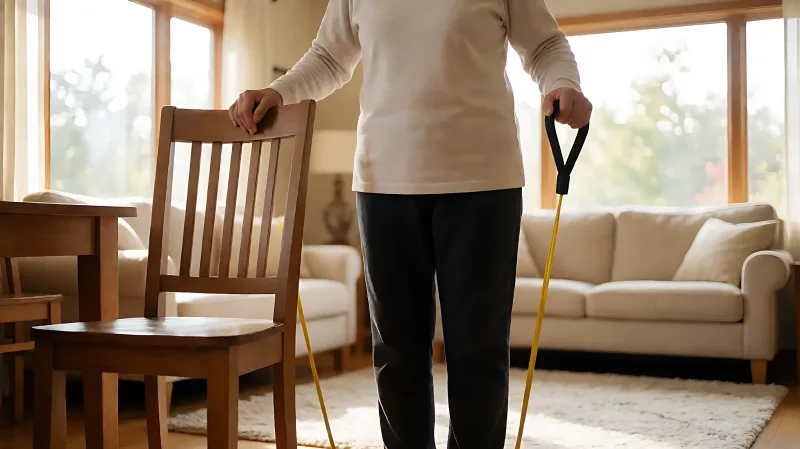
Discover a safe, effective way to build strength and balance after 75 using resistance bands at home. No gym required, just simple, therapeutic movements to support independence.
Starting resistance band training after 75 is one of the most effective ways to maintain independence, prevent falls, and manage joint pain without needing a gym membership. These lightweight tools allow you to build functional strength through gentle, controlled movements that protect your joints while improving balance and mobility for daily tasks.
Why are resistance bands better than free weights for older adults?
For adults over 75, the goal of exercise shifts from heavy lifting to maintaining functional strength. As Victoria Smith, a physical therapist at Hinge Health, notes, resistance bands are lightweight, portable, and accessible for all fitness levels. Unlike heavy dumbbells, bands provide consistent tension throughout the entire range of motion, which reduces the risk of strain. This consistency helps you perform exercises like shoulder rows and banded squats with greater control, supporting your upper back, shoulders, and legs. By strengthening these areas, you make everyday activities like reaching for shelves, carrying grocery bags, or standing up from a chair significantly easier and safer.
How do I choose the right band strength to start?
When beginning your training, it is critical to select a band with low resistance, often labeled as 'light' or 'yellow' in many brand systems. The goal is to perform repetitions with perfect form rather than pushing to failure. According to the UK’s National Health Service (NHS), adults aged 65 and over should aim to do activities that improve strength, balance, and flexibility on at least two days a week. You can start with very light tension and gradually increase the resistance as your muscles adapt. Always perform a test pull: stretch the band to the full range of your exercise and ensure you can comfortably return it to its original shape without straining your wrists or shoulders.
What are the three essential movements for balance and posture?
Focusing on a few key exercises yields the best results for stability. First, try the banded pull-apart. Stand tall with your arms out in front of your chest, hold the band in both hands, and pull it apart by squeezing your shoulder blades. This move strengthens the upper back and helps correct forward-rounded posture, which is common in older adults. Second, incorporate the resisted side raise. Stand on one end of the band with your feet flat, and lift your arm out to the side. This targets the rotator cuff muscles in the shoulder, which are essential for lifting objects and brushing your hair. Third, perform seated rows. Anchor the band under your foot or a stable object and pull it toward your ribcage while sitting on a chair. This supports the back muscles and helps you maintain an upright sitting posture throughout the day.
How can I modify hip exercises for safe home training?
Strong hips are vital for preventing falls. The clamshell exercise is a staple in rehabilitation programs, often recommended by coaches like Graeme Woodward, a UK Athletics Level 3 performance coach, to stabilize the pelvis. To adapt this for home use, lie on your side on a firm mattress or yoga mat. Place a light resistance band around your thighs, just above your knees. Keep your feet together and slowly open your top knee against the band’s resistance. Hold for five seconds, then lower slowly. This isolates the hip abductors, including the gluteus medius, which keep your pelvis stable when you walk. If lying down is difficult, you can also perform standing lateral steps with a band around your ankles, stepping to the side while keeping your knees aligned with your toes.
How should I structure my weekly routine after 75?
Consistency is more important than intensity. The NHS recommends combining moderate aerobic activity, such as a 20-minute walk, with strength training on two separate days. For your strength days, aim for two sets of 10 to 15 repetitions for each exercise. Use a timer to rest for 30 to 60 seconds between sets. You do not need to do all exercises in one session; split them between different days if preferred. Ensure you reduce time spent sitting by breaking up long periods of inactivity with short bursts of movement, such as standing up to make a cup of tea. This approach aligns with global health guidelines that encourage older adults to be physically active every day, even if it is just light activity.
What safety precautions must I follow?
Before starting, speak to your GP or primary care physician, especially if you have not exercised recently or have specific medical conditions. During your workouts, maintain a stable environment. Remove tripping hazards like rugs or cords. If you feel dizzy or experience sharp pain, stop immediately. Keep a sturdy chair within reach for support during standing exercises. For example, when doing side raises, place one hand on the back of a chair for balance if you feel unsteady. Hydrate before and after your session, and listen to your body. Progression is key; as you get stronger, you can increase the number of repetitions or move to a band with slightly more resistance, but never sacrifice form for intensity.
How can I track progress without expensive equipment?
You do not need a smartwatch to succeed. Use a simple logbook to record the day of your workout, the number of repetitions completed, and how you felt afterward. Note any changes in how easily you can perform daily tasks, such as climbing stairs or reaching for high cabinets. Over three to four weeks, you should notice improved endurance and confidence in your movements. If you feel ready for a challenge, add a few repetitions to your sets or hold the final position of an exercise for two to three extra seconds. This method of progressive overload ensures continuous improvement without the risk of overtraining. Remember that the goal is to support your independence and quality of life for as long as possible.
Is it safe to train alone after 75?
Yes, provided you have cleared it with your doctor and your home environment is free of trip hazards. Always have a phone nearby in case you need to call for help, and consider having a family member or friend check in on you shortly after your session.
How many days a week should I use resistance bands?
The NHS guidelines recommend doing strength and balance exercises on at least two days a week. You can perform these on the same day as your aerobic activity or on separate days, depending on your preference and energy levels.
Can I do these exercises if I have arthritis?
Generally, low-impact resistance band exercises are beneficial for arthritis as they strengthen the muscles surrounding the joint, providing better support. However, if a specific movement causes sharp pain, stop that exercise and consult your physical therapist for alternatives.
How long before I see results?
Most people notice improved muscle tone and better balance within four to six weeks of consistent training. Functional improvements, such as easier standing up or carrying items, typically become evident within two months.