Prevent Home Fires: Unattended Kitchens & Dryers Guide
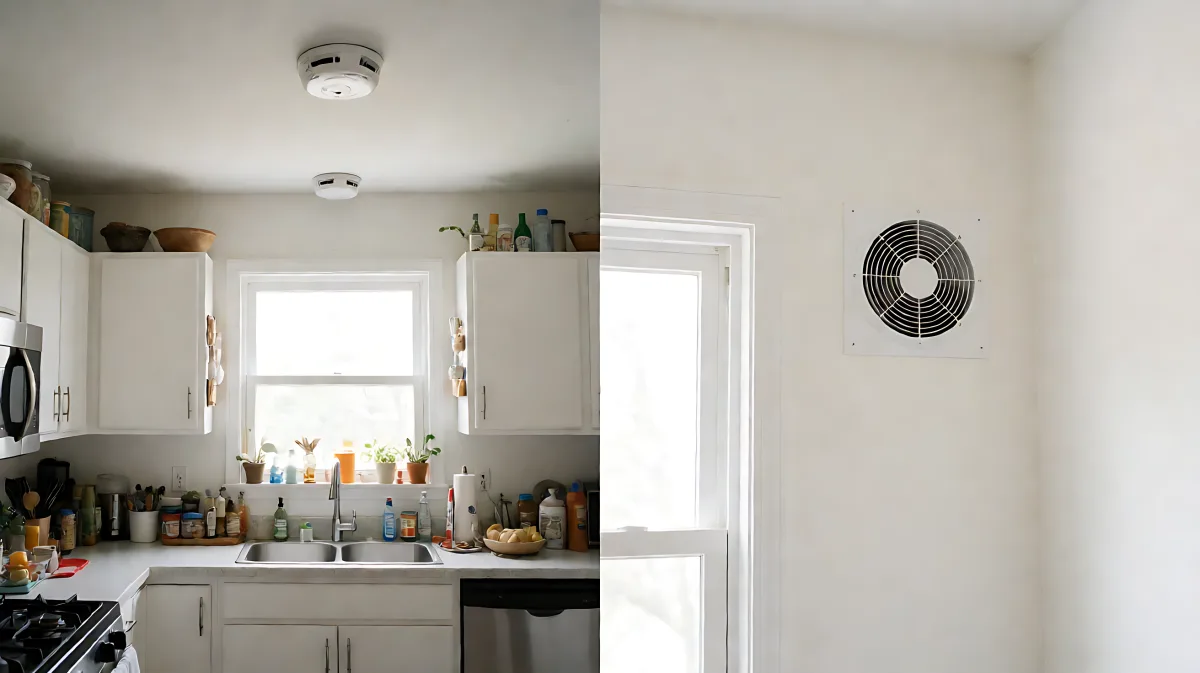
Unattended cooking and dryer lint are top causes of house fires. Discover how to reduce risk with strict habits, monthly alarm checks, and clear escape routes.
Unattended cooking and clogged dryers are leading causes of residential fires in the US and UK. You can significantly lower this risk by never leaving heat sources unattended, cleaning dryer vents annually, and installing smoke alarms on every level of your home. Regular testing and a rehearsed escape plan give your family critical minutes to evacuate safely.
Why Unattended Kitchens Are the Biggest Fire Risk
According to the National Fire Protection Association, three in ten home fires begin in the kitchen, making it the most common origin point for house fires. Cooking activities, such as frying, boiling, or grilling, create the highest ignition risk when a homeowner steps away from the stove. The American Red Cross and FEMA both emphasize that people aged 65 and older face a 2.7 times greater risk of dying in a kitchen fire than the general population. This increased vulnerability is often due to slower reaction times, reduced mobility, or memory issues that lead to leaving burners on.
To mitigate this, safety experts recommend adopting a 'no unattended cooking' policy. This means staying in the kitchen whenever something is cooking on the stovetop. If you must leave, even for a short duration, turn off the heat source. For households with seniors, automatic shut-off devices or timer alarms can serve as helpful reminders to turn off burners. Additionally, keeping flammable items like oven mitts, wooden utensils, and cloth towels away from the cooking area prevents accidental ignition.
How Do Dryer Fires Start and How Do You Stop Them?
Dryer fires are less frequent than kitchen fires but cause significant property damage due to lint accumulation. Lint is highly combustible and can block the dryer's exhaust duct. When the dryer operates, heat builds up behind the lint screen and inside the vent hose, creating a spark risk. The U.S. Fire Administration advises homeowners to clean the lint screen before every load and to have the entire exhaust duct professionally cleaned annually.
You should inspect the exterior vent flap to ensure it opens freely and is not obstructed by wildlife or debris. If your dryer is located in a closet, keep the door closed during operation to prevent lint from spreading into other areas of the home. For gas dryers, having a licensed technician check for gas leaks annually is also a prudent safety measure. Regular maintenance ensures the appliance operates efficiently and reduces the thermal load that leads to ignition.
What Are the Critical Smoke Alarm Guidelines?
Early warning is the most effective defense against fire injury. The U.S. Fire Administration recommends installing smoke alarms on every level of your home, including basements, and outside each sleeping area. You must test these devices once a month to ensure they are functioning. Batteries should be replaced twice a year, typically in spring and fall. Furthermore, the entire alarm unit should be replaced every ten years, as sensors degrade over time and may fail to detect smoke quickly.
In the event of a fire, having less than two minutes to escape is a standard benchmark cited by fire safety organizations. Practice your escape plan twice a year with all household members, including children and seniors. Ensure that everyone knows two ways out of every room. If you hear the alarm, leave immediately. Do not go back for pets, valuables, or clothing. Once outside, call the fire department from a safe location.
How Can You Secure Wiring and Appliances?
Electrical faults are a major cause of non-kitchen fires. Homeowners should avoid overloading power strips and outlets, which can cause wires to overheat. Look for warning signs such as flickering lights, frequent tripped breakers, or a burning smell near outlets. Extension cords should not be used as permanent wiring solutions, as they are prone to damage and fire. If you notice frayed or damaged cords, discard the appliance or have it repaired by a qualified electrician.
Regular inspections of your home's electrical system can identify hazards before they become emergencies. This is especially important in older homes where wiring may not meet current safety codes. Keeping heat-producing appliances away from fabrics and furniture adds another layer of protection.
Frequently Asked Questions
How often should I clean my dryer vent?
Experts recommend cleaning the lint screen before every load and having the main exhaust duct professionally cleaned once a year. If you notice your clothes are taking longer to dry or your dryer is louder, this may indicate a blockage that needs immediate attention.
What should I do if a fire starts in my kitchen?
Turn off the heat source if it is safe to do so. For small pan fires, slide a lid over the pan and turn off the burner. Never use water on a grease fire. If the fire is not under control in a few seconds, evacuate immediately, close the door behind you, and call emergency services.
Are automatic shut-off devices useful for seniors?
Yes. For individuals with memory issues, automatic shut-off timers or motion-sensor alarms that turn off the stove after a set period of inactivity can be a vital safety tool to prevent unattended cooking fires.