Preventing Pet-Related Falls: Home Safety Tips for Seniors
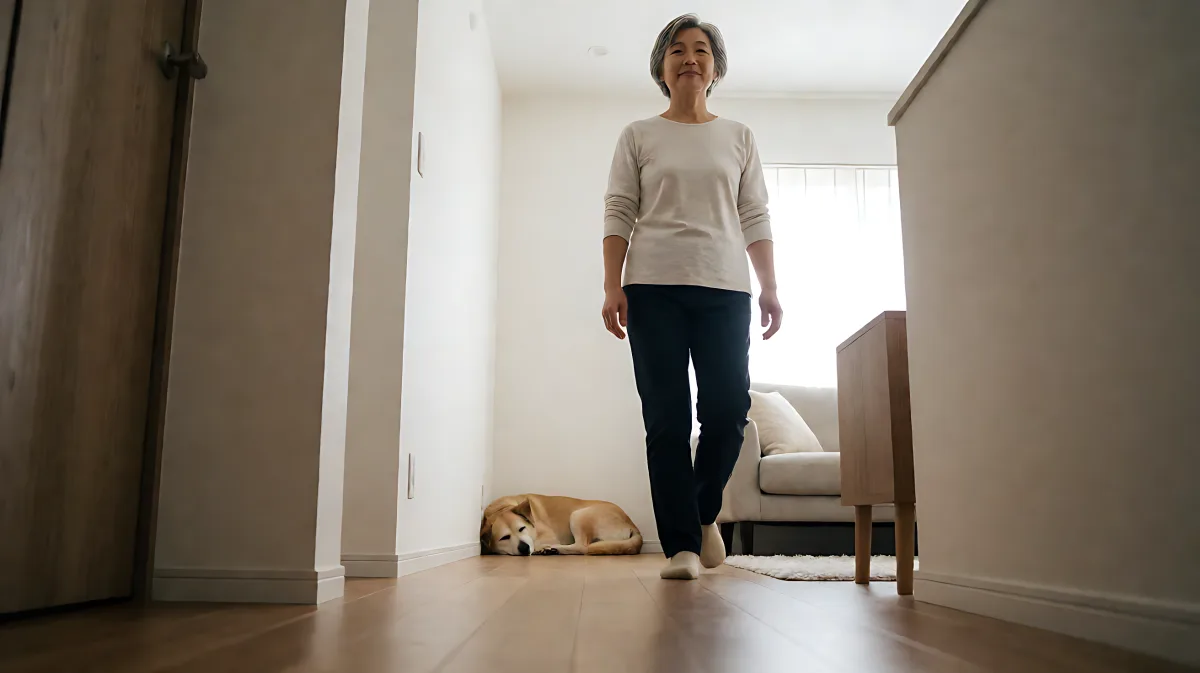
Pets offer profound companionship but can create hidden trip hazards. This guide outlines practical strategies for seniors to manage pet-related fall risks in the home, from clearing walkways to establishing safe nighttime routines.
Preventing falls at home with pets requires active management of shared spaces, as trip hazards from animals or supplies are a leading cause of senior injuries. By keeping walkways clear, using visual cues like nightlights, and training pets to stay out of high-traffic areas, older adults can reduce fall risk. The Centers for Disease Control and Prevention highlights that pet-related items contribute significantly to emergency room visits, making proactive home adjustments essential for safety.
Why Pets Increase Fall Risk for Seniors
Pets are vital sources of emotional support and physical activity, yet they introduce dynamic obstacles that older adults may not anticipate. Unlike static furniture, animals move, react, and interact with their owners, creating unpredictable hazards. The Centers for Disease Control and Prevention notes that one in four adults aged 65 and older experiences a fall each year, with many incidents linked to slipping, tripping, or losing balance. When a pet is involved, the risk compounds because the animal may suddenly dash across a room or pull on a leash, causing the owner to stumble.
Injury rates from pet-related incidents are highest among adults aged 75 and older. According to data reviewed by public health officials, a significant portion of these injuries involves dogs, with tripping over the animal being the most common mechanism. This data underscores the need for specific strategies that account for the behavior of pets and the declining mobility of seniors. Understanding that pets are not merely companions but also potential hazards is the first step in creating a safer living environment.
How to Clear Walkways of Pet Hazards
The most effective way to prevent trips is to eliminate obstacles in your primary paths. Pet toys, food bowls, and bedding often end up scattered across floors, creating invisible or subtle trip hazards. Establish a routine of returning these items to designated storage areas immediately after use. Keep water bowls away from doorways and main circulation routes, and clean up spills promptly to prevent slippery surfaces. If your pet has a specific resting spot, ensure it is against a wall or in a corner where it will not block your ability to turn or walk.
For seniors using mobility aids like canes or walkers, a clear path is even more critical. A small obstacle can cause a walker to snag, leading to a rapid fall. Regularly inspect your home for accumulated clutter that may be overlooked due to low lighting or visual impairment. By maintaining a minimalist approach to pet supplies, you reduce the cognitive load required to navigate your home safely.
What Role Does Leash Training Play in Safety
Walking a pet outside is a common source of falls, particularly when an animal pulls unexpectedly. Roughly one-third of pet-related falls occur outside the home during walks. If you find that leash pulling compromises your balance, consider hiring a professional dog walker or using a harness that distributes pressure more evenly. Obedience training is crucial; teaching your pet commands like "stay", "move", and "go to bed" helps you maintain control without resorting to physical force. Professional trainers can help address behavioral issues that lead to dangerous tugging.
If your pet is large or powerful enough to push or pull you over, it is advisable to seek assistance with walks or engage in structured training programs. The goal is to ensure that the pet respects the senior's physical limitations. This does not mean removing the pet from your life but rather adjusting how you interact with it to prioritize stability and safety.
How to Create a Safe Nighttime Routine
Nighttime is a particularly dangerous period for falls, especially when sharing a bedroom with a pet. The transition from lying down to standing is risky if your pet is near the bed or if you cannot see the floor clearly. Use low-glare nightlights or motion-sensor lights to illuminate the path from your bed to the bathroom. Place these lights at floor level so you can see your pet, thresholds, and any obstacles. If your pet follows you at night, create a consistent space along the wall where it can walk without crossing directly in front of your feet.
Manage your pet's sleeping spot carefully. Do not place the bed directly beside yours or in your exit path. Before turning off the lights, ensure the floor is clear of toys, collars, and leashes. Establish a predictable pre-sleep routine that includes feeding, bathroom breaks, and settling the pet in its designated area. This predictability reduces the chance that the animal will be restless or wandering when you wake up. If your pet sleeps on your bed, consider whether jumping on and off affects your routine; a separate, nearby sleeping spot may offer companionship while preserving your transfer space.
Which Medical Factors Amplify Pet-Related Risks
Chronic conditions and medications can significantly increase fall risk. Conditions like diabetes, arthritis, and cardiovascular disease affect balance, mobility, and sensation. For example, neuropathy from diabetes can make it difficult to feel an obstacle on the ground, increasing the chance of tripping over a pet. Medications such as sedatives, antihypertensives, and diuretics can cause dizziness, drowsiness, or dehydration, making you more vulnerable to loss of balance. Work closely with your healthcare provider to review your medication list and identify any that may contribute to instability.
Physical therapy can help maintain strength and flexibility, counteracting the effects of age and chronic illness. Regular exercise is essential, but it must be balanced with safety. When exercising with a pet, ensure the environment is controlled and free of hazards. If you experience dizziness or lightheadedness, pause your activity and seek medical advice. A comprehensive fall prevention plan should address both environmental factors and personal health risks.
FAQs
Should I remove my pet from the home to prevent falls?
No, removing your pet is rarely necessary. Instead, focus on environmental adjustments such as clearing walkways, using nightlights, and establishing predictable routines. The benefits of pet ownership, including reduced stress and increased physical activity, often outweigh the risks when managed properly. Consult with a veterinarian or behavioral specialist if your pet's behavior is particularly unpredictable.
How can I prevent my dog from pulling on the leash?
Use a harness that distributes pressure across the chest rather than the neck, which reduces the chance of being pulled off balance. Engage in obedience training to teach loose-leash walking. If pulling remains a significant issue, consider hiring a dog walker or switching to a breed or size of dog that is better suited to your mobility level.
What lighting is best for nighttime safety with pets?
Low-glare nightlights and motion-sensor lights placed at floor level are ideal. These illuminate the path without creating harsh shadows that might hide your pet. Ensure the lighting is bright enough to see objects on the floor but soft enough to allow you to sleep. Place lights near the bedroom door, bathroom entrance, and any corners where your pet might rest.
Are certain medications dangerous when combined with pet ownership?
Medications that cause dizziness, drowsiness, or orthostatic hypotension can increase fall risk. This is particularly dangerous when navigating around pets, who may move suddenly. Review all medications with your doctor or pharmacist to identify potential interactions and adjust dosages if necessary. Never stop or change medications without professional guidance.