Medication Safety Tips for Adults and Children
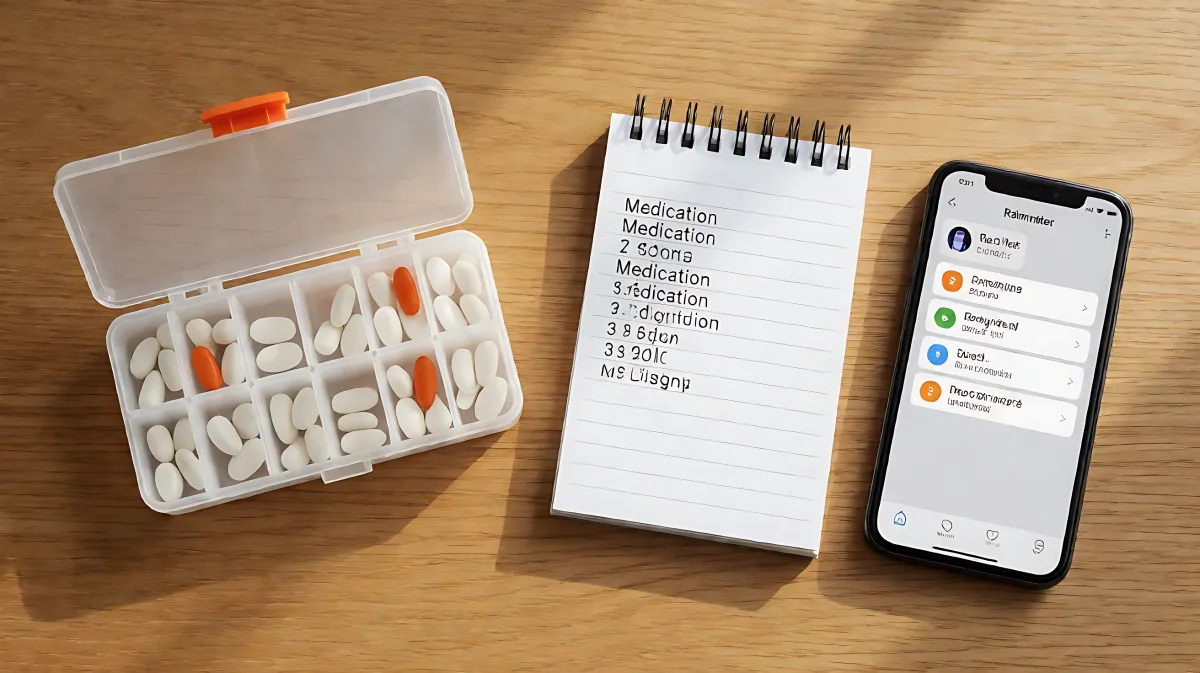
Preventing medication errors is a critical part of personal health management. This guide outlines five essential habits to protect yourself and your loved ones from avoidable side effects and interactions.
Medication safety means preventing harm from medicines. By maintaining accurate lists, verifying dosages, and understanding interactions, you reduce the risk of adverse drug events. These events are a preventable public health issue that affects millions of people annually.
Why Is Medication Safety Critical for Personal Health?
Adverse drug events, or ADEs, occur when a medication causes unintended harm. This includes allergic reactions, serious side effects, and medication errors. The CDC notes that ADEs are a significant public health threat. As the population ages and new medicines are developed, the risk of these events increases. Learning about safe medication practices is the first step to protecting your health.
How Can Adults Prevent Medication Errors at Home?
Adults should maintain a comprehensive list of all medications, vitamins, and supplements. Share this list with every healthcare provider you visit to prevent dangerous drug interactions. Follow label directions precisely and set reminders to ensure you take your medication on time. If you have trouble reading labels, use a bright light and wear your eyeglasses to avoid misreading doses.
What Steps Should Parents Take to Protect Children?
Children require special vigilance when taking medicine. Always use the specific dosing device provided with the medication, such as an oral syringe or dosing cup. Never use household spoons, as they deliver inconsistent amounts. Before giving a child medicine, check the active ingredients in both prescription and over-the-counter options to avoid accidental duplication. Teach children to never touch or consume medicine on their own.
How Should Medicines Be Stored and Disposed Of?
Improper storage can degrade medication, making it ineffective or dangerous. Keep drugs in a cool, dry place, away from extreme temperatures. Do not store medicines in the bathroom or leave them in a parked car. Secure child-proof caps immediately after use and store all medicines in a location where young children cannot reach or see them. Discard expired or unused medications according to local pharmacy or FDA disposal guidelines.
What Role Does the FDA Play in Medication Safety?
The U.S. Food and Drug Administration monitors drug safety and provides resources for consumers. They offer guidance on storing medicines and managing potential interactions with food or alcohol. Patients can reach out to the FDA's Division of Drug Information to answer specific questions about prescription usage. Engaging with these resources ensures you have accurate, up-to-date safety protocols.
How Do Drug Interactions Affect Older Adults?
Aging changes how the body processes medicines. Physical changes in the liver and kidneys can affect drug breakdown. Older adults are more likely to take multiple prescriptions, which increases the chance of harmful interactions. Always consult a professional before stopping a dose or starting a new supplement. Grapefruit juice, for example, can alter how certain drugs are absorbed. Be aware of these specific interactions and monitor for new symptoms that may be caused by a medication.
FAQ
What is an adverse drug event?
An adverse drug event is any harmful reaction caused by a medication. This includes allergic reactions, unexpected side effects, and errors made during the prescription or administration of drugs. It is a serious public health concern that leads to significant numbers of emergency room visits each year.
How often should I update my medication list?
You should update your medication list every time you start, stop, or change a dose of a medicine. Include over-the-counter drugs, vitamins, and supplements. Keeping the list current ensures your healthcare providers have the most accurate information to prevent interactions.
Can I use a household spoon to measure child's medicine?
No. Household spoons are not standard measuring tools and can deliver incorrect doses. Always use the specific dosing cup or oral syringe provided with the medication to ensure accurate and safe administration for children.
What should I do if I miss a dose?
Read the specific instructions on the medication label. For many drugs, you can take the missed dose as soon as you remember. However, never double up on a dose to make up for a missed one unless a professional has explicitly instructed you to do so.
How can I safely dispose of expired medicines?
Take expired or unused medicines to a designated drug take-back location, such as many pharmacies or community collection sites. Do not flush most medications down the toilet unless the label specifically instructs you to do so. This prevents environmental contamination and accidental poisoning.