Pharmacy Delivery & Pickup Verification Protocols: Safety Guide
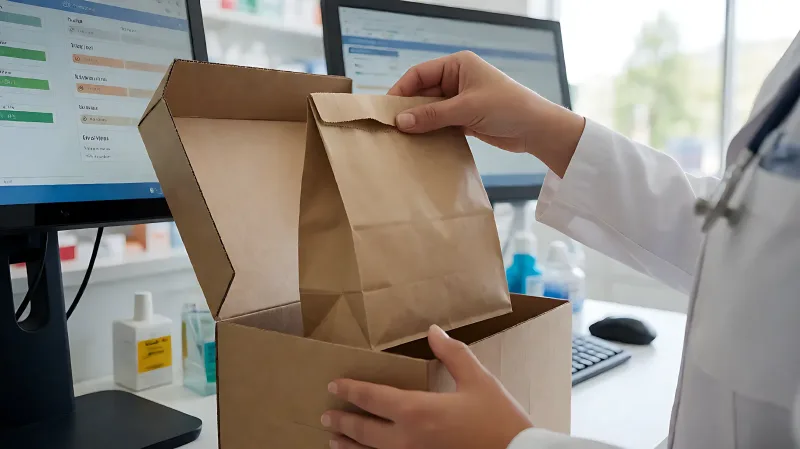
Pharmacy delivery and pickup verification requires strict signature capture, chain-of-custody tracking, and cold-chain compliance to ensure medication safety for patients and agents.
Pharmacy delivery and pickup verification protocols demand strict identity checks, signature capture, and continuous chain-of-custody tracking to ensure medication safety. These steps prevent theft, loss, and cold-chain breakage during transit. Pharmacists must verify patient or agent identity before releasing controlled substances. Unattended drops are generally prohibited by law, and digital logs must confirm successful receipt at the intended address.
What are the core verification steps at pharmacy pickup?
When a patient picks up medication in-store, the pharmacist or technician must confirm the recipient's identity. For controlled substances, regulations in places like the UK and Canada often require the collector to provide photographic identification. In many jurisdictions, the patient may designate an agent in advance to collect their prescriptions, but that agent must also sign for receipt upon arrival.
The act of dispensing is legally considered complete only when the patient or their authorized agent takes physical custody of the drug. Until that moment, the pharmacy retains full responsibility for the security and integrity of the medication. Staff must check the patient's name against the label and the prescription record. If the patient cannot sign due to physical disability or illness, staff must document the exception and use an alternative verification method, such as a witness signature or biometric confirmation.
How do delivery services handle signature capture and tracking?
Home delivery of prescriptions requires a robust tracking system. Every package must be traceable from the point of dispensing to the point of receipt. In Ontario, Canada, for example, the Drug and Pharmacies Regulation Act mandates that deliveries be auditable. Couriers must capture a wet or electronic signature from the recipient. Pre-signed waivers that allow staff to leave packages unattended, such as in a mailbox or behind a door, are not permitted for prescription drugs.
Pharmacies often partner with third-party carriers like DoorDash or Instacart for rapid delivery, or use postal services like USPS or Canada Post for slower, long-distance shipments. For controlled substances, the tracking must be specific. If a delivery attempt fails, the pharmacy remains responsible for the security of the medication until it is successfully delivered or returned to the main branch. Delays or stops along the route require the approval of the supervising pharmacist to maintain chain-of-custody.
Why is cold chain packaging critical for delivery?
Many modern medications, such as certain vaccines and biologics, require specific temperature ranges to remain effective. This is known as the cold chain. For deliveries, pharmacies must package these items with cooling packs and temperature monitoring devices. The packaging must be robust enough to withstand courier handling, preventing the cooling elements from shifting or deactivating the medication.
For liquid medications, leak prevention is a major verification step. Technicians typically use waterproof tape on caps and place bottles in double-sealed ziplock bags. The outer package should be plain, often brown, to conceal the contents from prying eyes. This packaging protocol ensures that if a package is lost or damaged, the potential harm to the patient is minimized and the pharmacy can quickly log the incident in its audit trail.
What documentation is required for agent delivery?
If a patient sends a friend, family member, or a professional courier to pick up a medication, the pharmacy must record specific details. In Ontario, the Narcotics Safety and Awareness Act requires staff to verify the name and address of the agent. They must also record the type of identification provided and its distinguishing number. This documentation protects the pharmacy and ensures accountability if the agent claims they received the medication.
How do state and provincial laws vary on alternate delivery sites?
In the United States, the regulation of where prescriptions can be delivered varies by state. For instance, Virginia's Board of Pharmacy allows pharmacies to deliver Schedule VI controlled substances to another pharmacy or a licensed practitioner for patient pickup. However, Schedule II through V drugs have stricter rules and often cannot be diverted to alternate sites without specific federal and state authorization.
When a prescription moves between a dispensing pharmacy and a secondary location, both entities must maintain a written contract. This agreement outlines responsibility for security, record-keeping, and patient counseling. The secondary site must store the medication in a locked cabinet and ensure that only the licensed practitioner or their designee has access. This dual-location protocol creates a verifiable paper trail that regulators can audit in case of an error or diversion.
What role does technology play in verifying electronic prescriptions?
As electronic prescriptions become the standard, new verification systems are emerging. Research from the University of Michigan highlights the use of the System Approach to Verifying Electronic Prescriptions, or SAVE-Rx. This system analyzes data from thousands of pharmacies to detect mismatches between the prescribed drug and the dispensed product. By flagging these discrepancies, pharmacists can intervene before the medication reaches the patient, preventing selection errors that might not be caught by manual checks alone.
This technological layer acts as a digital second check, ensuring that the automated picking process does not confuse similar-looking bottles or brands. When combined with physical packaging checks and signature protocols, technology significantly reduces the risk of a wrong-medication delivery.
What should patients check before accepting a delivery?
Patients should treat every delivery as a final verification step. Upon receiving a package, they should inspect the outer box for signs of tampering, water damage, or extreme temperatures. If the medication is for a controlled substance, the patient or their agent must sign for the package before the courier leaves. Keeping the signed receipt is important for personal records and for any disputes regarding the delivery timeline.
Patients should also confirm that all required paperwork, such as patient education guides and privacy notices, is included inside the package. If a medication requires refrigeration, the patient should store it immediately upon receipt to maintain the cold chain. Clear communication between the patient, the pharmacy, and the delivery agent ensures that safety protocols are followed at every stage of the journey.
Frequently Asked Questions
Can I send a friend to pick up my prescription if I am out of town?
Yes, most pharmacies allow you to designate a person as your agent to collect your medication. However, the agent must provide valid identification and sign the receipt upon pickup. For controlled substances, the pharmacy may require specific documentation, such as a notarized request or a recorded phone authorization, to verify that the agent is indeed acting on your behalf.
What happens if the delivery courier cannot get a signature?
The courier cannot leave the medication unattended if the law requires a signature. They will typically make a second delivery attempt or return the package to the pharmacy. The pharmacy then assumes full responsibility for the security of the drug and must document the failed delivery in their tracking system before deciding on a new method to reach the patient.
Are drone deliveries subject to the same verification rules?
Yes, drone delivery follows the same regulatory framework as ground transport. The package must be securely locked, the flight path must be monitored, and the recipient must verify the package ID before collection or receipt. The primary difference is the speed of transit, which requires immediate verification to ensure the medication has not been exposed to extreme weather during the flight.
Does the pharmacy lose liability once the courier takes the package?
No, the pharmacy retains liability and control until the patient or authorized agent physically takes custody of the medication. While the courier handles the logistics, the pharmacy is responsible for the integrity of the drug and the confidentiality of patient information until that final handoff is documented and verified.