COPD Breathing Exercises for Seniors: Daily Guide
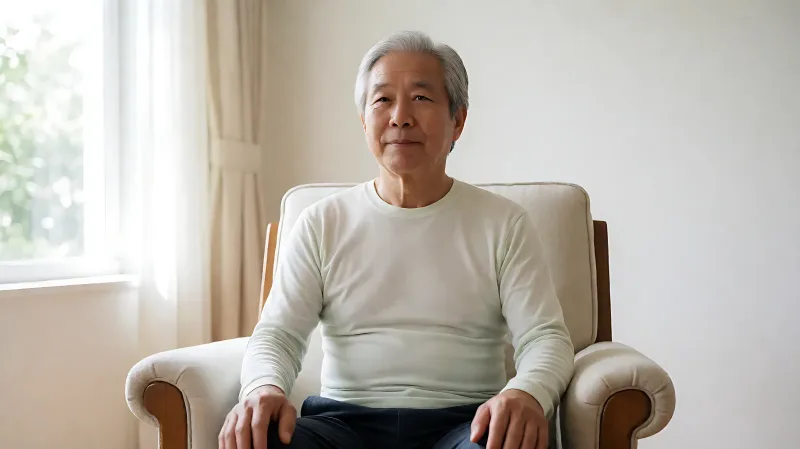
Older adults with COPD can significantly improve quality of life through structured breathing exercises and daily management strategies.
Older adults living with chronic obstructive pulmonary disease (COPD) can manage breathlessness effectively through consistent breathing exercises and daily lifestyle adjustments. These techniques, recommended by health bodies like the NHS and supported by clinical studies, help maintain lung function and independence.
For more information, see CDC resources on healthy aging from the CDC.
What Are the Best Breathing Exercises for COPD?
Specific breathing techniques serve as clinical interventions rather than just relaxation methods. For older adults, mastering these methods is essential for reducing the fear and avoidance cycle associated with breathlessness.
How Does Pursed-Lip Breathing Work?
Pursed-lip breathing involves inhaling slowly through the nose and exhaling slowly through pursed lips, as if whistling. This technique keeps airways open longer, improving oxygen exchange and reducing respiratory rate. Experts recommend practicing this for 10 minutes twice daily. It is particularly effective when used during physical activities like climbing stairs or when acute breathlessness strikes.
What Is Diaphragmatic Breathing?
Diaphragmatic breathing, or abdominal breathing, retrains the respiratory muscles to enhance lung capacity. This method optimizes oxygen delivery throughout the body. Seniors should practice this technique during calm periods to build control over their breathing patterns. Combining diaphragmatic exercises with relaxation methods can reduce stress and improve mental clarity.
How Should I Manage COPD Symptoms Daily?
Daily management extends beyond breathing exercises to include medication adherence, environmental control, and physical pacing. Proactive strategies help prevent exacerbations and maintain mobility.
What Environmental Changes Help?
Watch what you breathe. Avoid dusty places, strong-smelling cleaning products, hairspray, and perfume, as these trigger symptoms. Cold spells and hot, humid weather can worsen breathing, so keep an eye on forecasts. Using a HEPA air purifier in the room where you spend most of your time can help manage indoor air quality, especially during high pollution days.
How Can I Pace My Activities?
Rushed activity triggers the breathlessness cycle. Break tasks into small segments with rest intervals. For example, walk to the kitchen, rest, then begin cooking. Dress in stages and use a chair in the bathroom. Activities that require sustained arm elevation, like hanging clothes, should be reorganized or delegated because they engage muscles needed for breathing.
When Should I See a Doctor?
Regular reviews with your care team are crucial for monitoring your condition. These appointments allow you to discuss symptoms, side effects of medicines, and test results. Contact your GP or care team immediately if symptoms worsen suddenly or if you develop new symptoms between check-ups.
What Are the Warning Signs of an Exacerbation?
Know the signs of a worsening condition: breathlessness that lasts over 24-48 hours, sputum changing color to yellow or green, or oxygen levels dropping below 90%. Having a written action plan agreed with your pulmonologist specifies when to call the doctor and when to go to the emergency room.
How Does Exercise Fit Into COPD Management?
Exercising regularly improves symptoms and quality of life. While the amount you can do depends on your circumstances, exercising until you are slightly breathless is generally safe. Pulmonary rehabilitation programs provide structured exercise plans tailored to your needs. Combining gentle physical activity, such as walking, with breathing techniques like pursed-lip breathing enhances lung capacity and endurance.
Frequently Asked Questions About COPD
Can I stop smoking if I have COPD?
Yes, stopping smoking is the most effective way to slow down lung damage. Help is available from your GP or local stop smoking services.
Do I need vaccines if I have COPD?
Everyone with COPD is encouraged to have the annual flu jab and the one-off pneumococcal vaccination to reduce vulnerability to infections.
How often should I practice breathing exercises?
It is recommended to practice breathing exercises like diaphragmatic and pursed-lip breathing for 5-10 minutes, three to five times daily for maximum benefit.
Is it safe to fly with COPD?
You should go to your GP for a fitness-to-fly assessment involving spirometry and oxygen checks. If you use oxygen therapy, notify your airline and ensure you have an adequate supply for the flight and your trip.