Palliative Care Comfort: Managing Pain in Older Adults
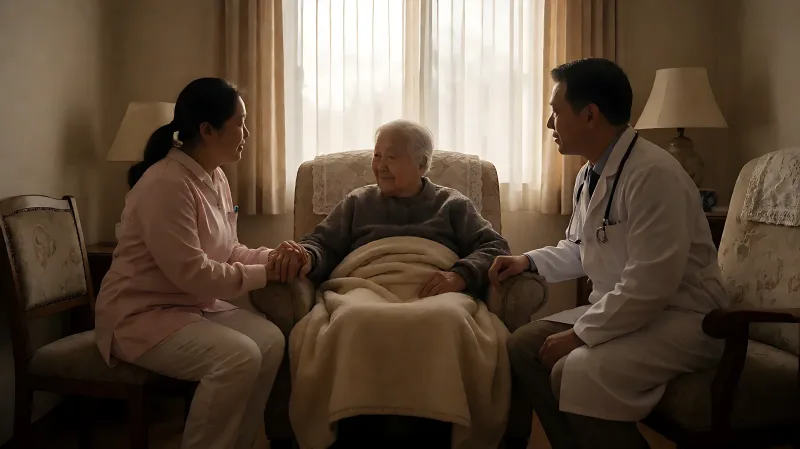
Discover how palliative care enhances quality of life for older adults with serious illnesses by focusing on comfort, pain relief, and holistic support rather than just curative treatment.
Palliative care improves the quality of life for people with serious illnesses by focusing on comfort rather than cure. For older adults, this specialized approach manages physical symptoms like pain and difficulty breathing while providing emotional and spiritual support. It can begin at the time of diagnosis and continues throughout treatment, helping patients live actively and with dignity. The World Health Organization estimates that 56.8 million people globally need this care annually, yet only a fraction receive it.
For more information, see NIA advance care planning guide from the National Institute on Aging.
What Is Palliative Care for Older Adults?
Palliative care is a team-based approach that relieves suffering from life-threatening conditions. It is not the same as hospice care, which focuses on the final weeks or months of life. Instead, palliative care can be provided alongside curative treatments such as chemotherapy or dialysis. The goal is to reduce stress on both the patient and their family by addressing the complexities of a serious diagnosis. For seniors, who may face multiple chronic conditions simultaneously, this care model ensures that comfort remains the priority.
The care is holistic, meaning it addresses four main areas: physical, emotional, social, and spiritual needs. This comprehensive view ensures that the patient is treated as a whole person, not just a set of symptoms. By integrating these elements, healthcare providers help older adults maintain a sense of normalcy and purpose.
How Does Pain Management Work in Palliative Care?
Pain is one of the most common and distressing symptoms in serious illness. The World Health Organization notes that 80% of patients with cancer or AIDS experience moderate to severe pain at the end of life. For older adults, pain management requires careful medication adjustments due to changes in how the body processes drugs. Opioids are often essential for managing severe pain and respiratory distress. However, they must be prescribed and monitored by specialists to minimize side effects and prevent misuse. The goal is not necessarily to eliminate all pain, but to control it so that the patient can function and remain comfortable.
| Common Symptom | Palliative Approach |
|---|---|
| Chronic Pain | Regular medication schedules, physical therapy, and alternative therapies. |
| Breathing Difficulty | Opioid adjustment, oxygen therapy, and positioning techniques. |
| Nausea | Anti-emetic medications and dietary modifications. |
| Fatigue | Pacing activities, sleep hygiene education, and stimulant medications if needed. |
Beyond medication, non-pharmacological interventions such as massage, acupuncture, and music therapy can also provide relief. These methods work by shifting the patient's focus away from pain and promoting relaxation. A personalized care plan ensures that these techniques align with the patient's preferences and medical history.
Who Provides Palliative Care?
A multidisciplinary team delivers this care. While a physician oversees the medical aspects, nurses manage daily symptom control and medication administration. Social workers help families navigate insurance, legal documents, and practical support. Chaplains or spiritual care providers offer guidance aligned with the patient's beliefs. This team approach ensures that no aspect of the patient's well-being is overlooked. In the United States, these services are often available in hospitals, outpatient clinics, and the patient's home.
What Are the Benefits for Families and Caregivers?
Palliative care supports the entire family unit, not just the patient. Caregivers often suffer from stress, burnout, and anxiety when caring for an aging loved one with a serious illness. By involving families in the care plan, palliative teams provide education on how to manage symptoms at home. This empowerment reduces feelings of helplessness and fosters a stronger support network. The World Health Organization highlights that improving the quality of life for patients also directly improves the quality of life for their caregivers. Bereavement support is often available after the patient's death, helping families process their loss.
How Early Should Palliative Care Start?
Contrary to the misconception that palliative care is only for the dying, it is most effective when started early in the disease course. The World Health Organization emphasizes that early intervention reduces unnecessary hospital admissions. When patients engage with palliative care shortly after diagnosis, they have time to understand their condition, make informed decisions, and adjust their lifestyle. For chronic conditions like heart failure or COPD, early comfort care allows for better symptom management over a longer period. This proactive approach aligns with the patient's values and goals for their remaining time.
Common Misconceptions About Palliative Care
Many people believe that choosing palliative care means giving up on treatment. In reality, it is an addition to standard care, not a replacement. Another myth is that it is only for cancer patients. The World Health Organization states that cardiovascular diseases account for 38.5% of palliative care needs, followed by chronic respiratory diseases and diabetes. Furthermore, some fear that opioid use leads to addiction. In a controlled palliative care setting, the risk of developing a substance use disorder is extremely low because the goal is symptom relief, not euphoria. These misunderstandings often prevent families from seeking timely help.
FAQ
Is palliative care the same as hospice care?
No. Palliative care can be received at any stage of a serious illness and can continue alongside curative treatment. Hospice care is specifically for patients who have decided to focus on comfort-only care and have a prognosis of six months or less to live.
Can older adults with dementia receive palliative care?
Yes. Palliative care focuses on symptom management such as agitation, pain, and breathing difficulties. It also provides support to family caregivers who are often the primary decision-makers for patients with advanced dementia.
How does a family get started with palliative care?
A physician's referral is usually required. The patient or family can request a referral from their primary care doctor or hospital team. The palliative care team will then assess the patient's needs and create a personalized care plan.
Does palliative care help with pain control?
Yes. Pain management is a core component of palliative care. Specialists work to identify the source of pain and use a combination of medications, therapies, and environmental adjustments to provide relief.