Senior Oral Care Guide: Managing Dry Mouth & Dentures
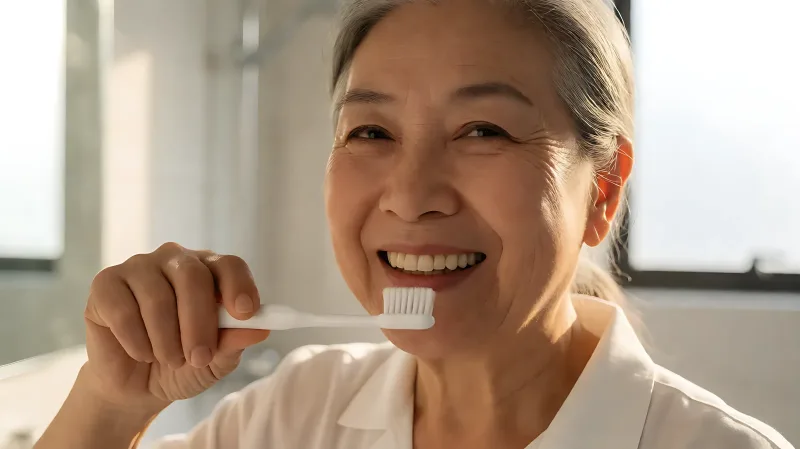
Discover how to maintain oral health as you age. From managing dry mouth to caring for dentures, this guide offers practical, science-backed tips to keep your smile healthy and strong.
Maintaining oral health in later life requires specific strategies to combat dry mouth, protect remaining natural teeth from decay, and properly care for dentures. According to the National Institute on Aging, older adults are keeping their natural teeth longer than previous generations, but they face unique challenges such as receding gums and reduced saliva production. Implementing a consistent daily routine involving fluoride toothpaste, daily flossing, and regular dental checkups is essential for preserving dental health and preventing systemic issues.
For more information, see NIA healthy aging resources from the National Institute on Aging.
Why oral health matters more as you age
Healthy gums and teeth are the gateway to a nutritious diet and overall quality of life. The National Institute on Aging highlights that poor oral health is not just a local issue but has connections to broader cognitive decline. Research indicates that adults with significant gum disease or tooth loss may have a higher risk of developing dementia. A study in recent years found that the risk of cognitive impairment increases with each missing natural tooth. However, participants who used dentures to replace missing teeth did not show the same elevated risk, suggesting that maintaining dental function is crucial for brain health.
How to prevent tooth decay and gum disease
Even in older adults, new cavities can form on roots exposed by receding gums. The bacteria in dental plaque produce acids that erode enamel. To stop this process, the Centers for Disease Control and Prevention recommends brushing twice daily with fluoride toothpaste. Fluoride strengthens tooth structure and helps remineralize early signs of decay. If you are at higher risk due to dry mouth or existing cavities, your dentist may prescribe a high-concentration fluoride gel or rinse. Additionally, flossing once a day removes plaque from between teeth where a brush cannot reach. For those with arthritis or limited hand mobility, electric toothbrushes and floss holders can make this routine more manageable.
What causes dry mouth and how to manage it
Xerostomia, or dry mouth, is a common condition in seniors, often triggered by medication side effects or age-related changes in salivary glands. Saliva is a natural defense against bacteria and decay. When it decreases, the risk of cavities and gum disease rises sharply. To combat dry mouth, stick to sugar-free gum or lozenges that stimulate saliva production. Keep water nearby and drink frequently throughout the day. Avoid alcohol and caffeine, which dehydrate the mouth. The National Institute on Aging advises telling your doctor if over-the-counter remedies do not help, as prescription medications are available to stimulate saliva flow.
How to care for dentures and natural teeth
Whether you wear full dentures, partials, or have a mix of natural teeth and prosthetics, care is critical. Dentures require specific handling to prevent damage and infection. Clean them daily with a denture brush and non-abrasive cleanser. Soak them in a mild solution if recommended by your dentist, but never use hot water, which can warp the plastic. At night, remove dentures and store them in water or a cleaning solution to keep them from drying out and shrinking. If you still have natural teeth, it is vital to keep them healthy so the dentures fit properly. A loose denture can cause sores and make it difficult to chew nutritious foods.
What are the best practices for brushing with dentures?
Brush your natural teeth first, then remove your dentures and brush them thoroughly on all surfaces. Use a soft-bristle brush to avoid scratching the surface of the denture. Rinse the dentures with water after brushing to remove any loosened debris. Finally, brush your tongue and the roof of your mouth to remove bacteria that can cause bad breath.
When should you replace or adjust dentures?
Your jawbone and gums change shape over time. This can cause dentures to fit loosely or become uncomfortable. The National Institute on Aging notes that regular dental visits are necessary to check for adjustments. Do not attempt to modify your dentures at home. A dentist can reline or replace them to ensure a proper fit and prevent friction injuries to your oral tissues.
How often should older adults see a dentist?
Most dental professionals recommend a checkup and professional cleaning every six months. However, if you have gum disease or a history of rapid decay, your dentist may suggest more frequent visits. These appointments allow for the early detection of oral cancer and other conditions that require immediate treatment.
Frequently Asked Questions
Is it normal for gums to bleed when flossing?
While minor bleeding can occur when you start flossing, persistent bleeding is a sign of gingivitis. If your gums bleed regularly, stop and consult a dentist to rule out periodontitis, a serious gum infection that can lead to bone loss.
Can I use regular toothpaste to clean my dentures?
No, you should avoid regular toothpaste on dentures. Most standard toothpastes contain abrasives that can scratch the smooth surface of the denture, making it easier for bacteria to adhere and causing discoloration. Use a specifically designed denture cleanser instead.
How does smoking affect dental health in seniors?
Smoking significantly increases the risk of gum disease and slows healing after dental procedures. The CDC notes that smokers are more likely to lose teeth compared to non-smokers. Quitting smoking is one of the most effective ways to protect your oral health and overall longevity.
What should I eat if I have sensitive gums or new dentures?
When adjusting to new dentures or dealing with gum sensitivity, start with soft, non-sticky foods. Cut food into small pieces and chew thoroughly on both sides of the mouth. Avoid very hot or very cold foods initially, as dentures can reduce your ability to sense temperature, posing a burn risk.
Do I need special care if I have Alzheimer's?
Caregivers of individuals with Alzheimer's or related dementias often need to assist with oral hygiene. The National Institute of Dental and Craniofacial Research suggests using large-handled toothbrushes and simplifying the routine. Monitoring for skipped brushing or changes in gum health is essential to maintain comfort and prevent dental emergencies.