How to Boost Mitochondrial Health & Reduce Senescence
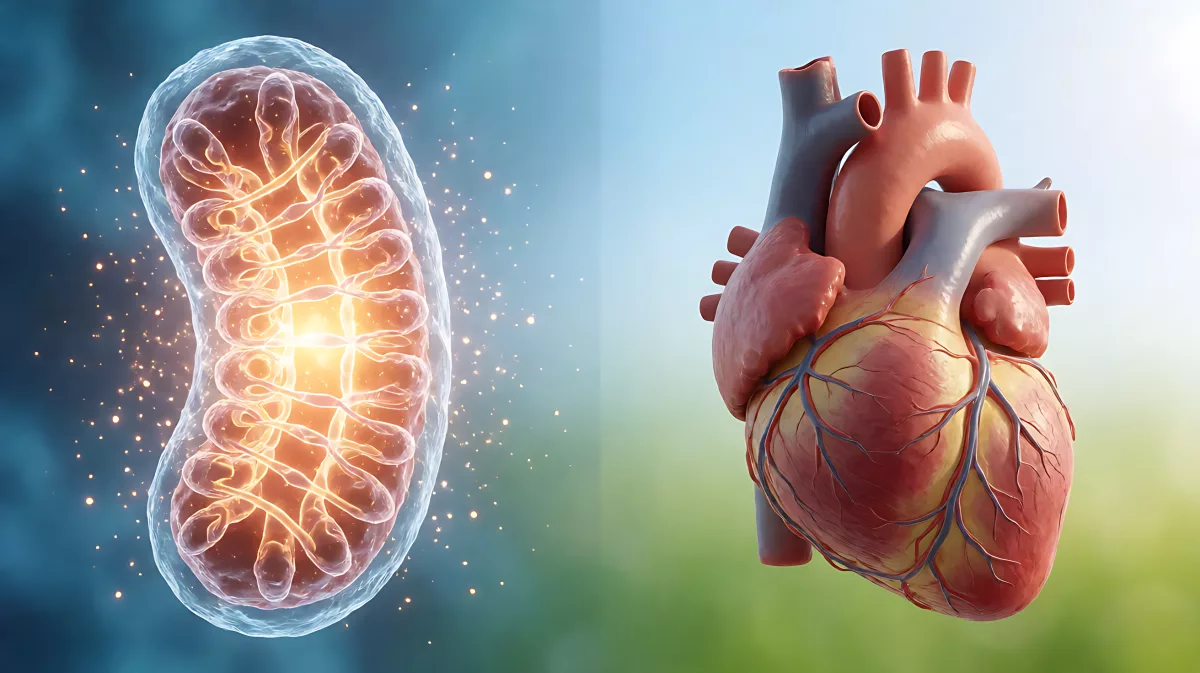
Cellular senescence and mitochondrial decline drive aging. This guide outlines actionable, science-backed methods to lower inflammatory burden and restore cellular energy for a longer healthspan.
To optimize cellular senescence and mitochondrial health, you must combine rigorous physical training with targeted nutritional interventions that support autophagy and metabolic flexibility. The most effective approach involves zone 2 cardio, high-intensity interval training, and specific nutrient timing to reduce the senescence-associated secretory phenotype, or SASP. As noted by longevity physician Robert Peterson, MD, these foundational pillars are essential before considering experimental pharmacological agents like rapamycin, which show 15% to 30% lifespan improvements in animal models.
Why Mitochondrial Health Matters for Aging
Mitochondria are the power plants of your cells, but they are also the primary drivers of biological aging. As we age, these organelles become less efficient, producing more reactive oxygen species and less energy. This decline triggers a cascade of inflammatory responses that accelerate tissue damage. Recent research from Maastricht University highlights that mitochondrial dysfunction directly feeds into what researchers call inflammaging, a state of chronic, low-grade inflammation that erodes organ function. When mitochondria fail to clear damaged components through a process called mitophagy, dangerous signals spread throughout the tissue. This explains why your resting heart rate and VO2 max, two direct measures of mitochondrial capacity, are stronger predictors of lifespan than chronological age.
How Does Exercise Repair Mitochondrial Networks?
Exercise is the most potent tool for improving mitochondrial quality. Zone 2 training, which keeps your heart rate at 60% to 70% of your maximum, stimulates the biogenesis of new mitochondria. Simultaneously, high-intensity interval training (HIIT) triggers acute stress responses that enhance the cell's ability to clear damaged parts. A study highlighted in the 2026 longevity literature suggests that combining these two training styles yields superior results for metabolic health. You do not need to be an elite athlete to see benefits; consistency matters more than intensity. Aim for at least 150 minutes of moderate activity and two sessions of intense effort per week. This regimen supports the AMPK pathway, which helps regulate cellular metabolism and reduces the inflammatory tone associated with aging.
Understanding Cellular Senescence and Inflammaging
Cellular senescence is a state where cells stop dividing and release a mix of proteins, hormones, and cytokines known as the SASP. While this mechanism helps protect the body from cancer, the accumulation of senescent cells over decades contributes to age-related diseases. The SASP profile is tissue-specific; senescent fat cells release different inflammatory signals than senescent skin cells. Understanding this heterogeneity is crucial for effective intervention. Biomarkers such as p16, IL-6, and C-reactive protein can indicate the burden of senescence in your body. The goal of longevity medicine is not just to live longer, but to reduce this burden to maintain cognitive and physical resilience. As of 2026, clinical guidelines increasingly emphasize monitoring these markers to personalize intervention strategies rather than using a one-size-fits-all approach.
What Role Does Nutrition Play in Reducing Senescence?
Food choices directly influence whether cells undergo senescence or repair. A diet rich in polyphenols, fiber, and anti-inflammatory compounds supports gut health, which is closely linked to systemic inflammation. The emerging field of precision longevity suggests that individual responses to specific nutrients vary based on genetic makeup and microbiome composition. For instance, time-restricted eating or intermittent fasting can activate autophagy, the body's cellular cleanup system. However, the evidence for specific supplements is mixed. While compounds like resveratrol show promise in lab settings, their bioavailability in humans remains a challenge. Focus on whole foods, such as berries, leafy greens, and fatty fish, which provide a broad spectrum of protective nutrients without the risk of over-supplementation. Monitoring your gut microbiome can also provide insights into how your diet affects your inflammatory status.
Emerging Therapies: Senolytics and Rapamycin
Beyond lifestyle changes, pharmacological interventions are gaining attention. Senolytics are drugs designed to selectively clear senescent cells. One of the most studied classes, known as dasatinib and quercetin, has shown success in animal models, but human clinical trials are still determining safe dosages and frequencies. Rapamycin, an mTOR inhibitor, is often called the gold standard of longevity drugs. In animal studies, rapamycin has extended healthy lifespan by 15% to 30%, with some combinations reaching 37%. The mTOR pathway is a central regulator of growth and aging; inhibiting it can promote cellular repair and longevity. However, rapamycin is also an immunosuppressant, meaning it requires careful medical supervision. Dr. Peterson and other longevity experts advise that these drugs should be part of a comprehensive plan, not a standalone solution. Safety, dosage timing, and individual response variability are critical factors. Before starting any pharmaceutical intervention, consult with a specialist in geroscience to monitor kidney function, lipid profiles, and immune status.
Are There Newer Alternatives to Rapamycin?
Researchers are exploring next-generation compounds that target specific aspects of the aging process with fewer side effects. For example, compounds that modulate the cGAS-STING pathway are being investigated to dampen the inflammatory signals triggered by mitochondrial DNA leakage. Additionally, advances in epigenetic reprogramming suggest that resetting biological age at the cellular level may be possible in the future. While these technologies are still in early stages, they offer hope for more precise interventions. The current focus remains on optimizing existing tools like exercise, sleep, and targeted nutrition, which have the strongest safety profiles and proven benefits for extending healthspan.
Integrating Sleep and Stress Management
Sleep is the final piece of the puzzle for cellular repair. During deep sleep, the glymphatic system cleans out metabolic waste from the brain, and the body releases growth hormones that aid tissue repair. Poor sleep accelerates senescence and increases inflammatory markers. Aim for 7 to 9 hours of quality sleep per night, maintaining a consistent schedule that aligns with your circadian rhythm. Stress management is equally important. Chronic stress elevates cortisol, which can impair immune function and promote inflammation. Practices such as meditation, breathwork, and time in nature can lower stress hormones and support mitochondrial health. The synergy between good sleep and low stress creates an environment where cellular repair mechanisms can function efficiently.
Frequently Asked Questions
What is the most effective way to reduce inflammaging?
The most effective approach combines regular zone 2 and high-intensity exercise with an anti-inflammatory diet rich in fiber and polyphenols. Adding good sleep hygiene and stress reduction techniques further lowers systemic inflammation. While supplements can help, lifestyle changes remain the foundation for reducing the inflammatory burden associated with aging.
Does rapamycin have significant side effects?
Yes, rapamycin can cause mouth sores, impaired wound healing, and changes in lipid levels. It is an immunosuppressant, so it must be used under strict medical supervision. The benefits for longevity are well-documented in animals, but human dosing protocols are still being refined to maximize safety and efficacy.
Can I track my cellular senescence at home?
You cannot directly measure senescent cells at home, but you can track biomarkers that indicate aging. Blood tests for inflammatory markers like IL-6 and CRP, as well as epigenetic clocks, can provide insights into your biological age. Continuous health monitoring for heart rate variability and resting heart rate can also serve as indirect proxies for mitochondrial health and overall stress resilience.
How important is protein intake for older adults?
Protein is critical for maintaining muscle mass and mitochondrial function. As we age, our muscles become less responsive to protein, a condition called anabolic resistance. Older adults need to consume more protein per meal, ideally distributed evenly throughout the day, to support muscle repair and metabolic health. This helps preserve strength, which is a key determinant of independence in later life.
Are senolytics safe for long-term use?
The safety of long-term senolytic use is not yet established. Most current data comes from short-term trials and animal studies. The risk is that clearing senescent cells too frequently might interfere with normal tissue repair processes. Therefore, cycling schedules, where drugs are taken for a few days followed by a rest period, are generally recommended to balance clearance with safety. Always follow protocols developed by geroscience specialists.