Modern Safety Essentials: Protocols and Standards
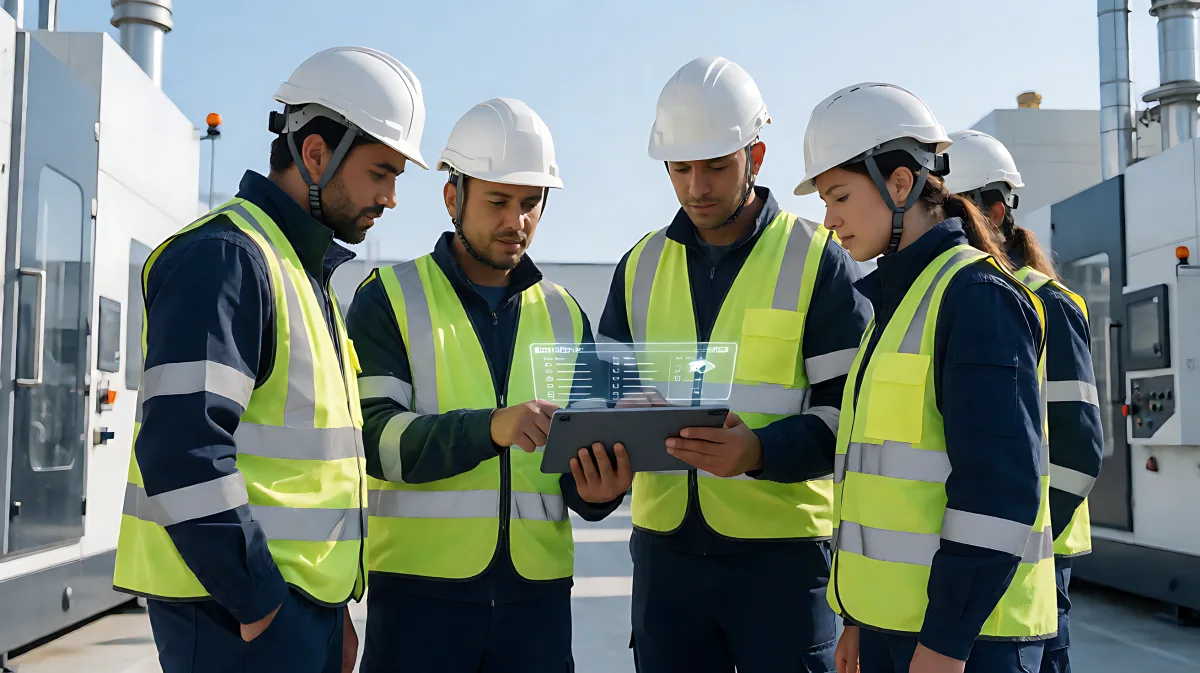
Explore the core principles of modern safety management, including critical golden rules, regulatory reporting mandates, and the importance of proactive hazard control in both industrial and domestic environments.
Safety is the practice of controlling recognized hazards to achieve an acceptable level of risk. In 2026, it extends beyond simple compliance to include proactive system reliability and personal vigilance. Effective safety measures, such as Lockout/Tagout procedures and proper Personal Protective Equipment use, remain the primary methods for preventing injury, property loss, and operational downtime in both professional and domestic settings.
What defines modern safety standards?
The concept of safety has evolved from a reactive stance to a proactive discipline focused on the preservation of positive value. While definitions vary, the consensus is that safety is the freedom from danger and risk. It is not merely the absence of accidents but the presence of a capability to defend against adverse events. Standards bodies and regulatory agencies emphasize that safety is community-based, relying on shared understanding and acceptance of risk controls.
Which critical safety rules must be followed?
Regardless of the industry, several "golden rules" form the backbone of effective hazard control. These principles are designed to mitigate risks before they manifest as incidents.
- Correct Tool Usage: Machinery and tools must be operated according to their intended functions. Regular maintenance checks are essential to prevent malfunctions that can lead to unpredictable and dangerous situations.
- Lockout/Tagout (LOTO): This procedure is critical during equipment servicing. It ensures machines are powered down and cannot start unexpectedly. A dual system of physical locks and clear tags communicates to others that the device is under maintenance, preventing accidental restarts.
- Permit-to-Work Systems: High-risk tasks require formal written authorization. This process ensures that all potential hazards are identified and controlled before work begins, fostering a culture of diligence rather than mere paper compliance.
- Personal Protective Equipment (PPE): While PPE is the last line of defense, it is vital. This includes safety glasses for eye injuries, helmets for falling objects, and earplugs for noise exposure. Regular inspection is necessary because worn or damaged gear provides a false sense of security.
- Confined Space Protocols: Entry into tanks, silos, or pits requires strict atmosphere testing and ventilation. A standby person must always be present outside the space to monitor the worker and initiate rescue procedures if needed.
How do regulatory agencies enforce workplace safety?
In the United States, the Occupational Safety and Health Administration (OSHA) sets and enforces standards to ensure safe working conditions. As of 2026, OSHA focuses on a wide range of topics, from infectious disease prevention to trenching and excavation hazards. The agency emphasizes that slope stabilization, shoring, and shielding are the primary methods for reducing the risk of cave-ins, which pose the greatest threat to worker lives in construction.
Reporting requirements are strict and non-negotiable. Employers must notify OSHA within eight hours if a worker is killed on the job. In cases of in-patient hospitalization, amputation, or loss of an eye, the reporting window is twenty-four hours. This rapid data collection allows regulators to identify trends and enforce corrective actions across industries.
What role does public safety infrastructure play?
Safety extends beyond the workplace into public domains. Infrastructure like platform screen doors in subway systems is specifically designed to prevent passengers from falling onto tracks. Similarly, warning signs and community awareness campaigns help mitigate risks in shared spaces. In the healthcare and social services sectors, background screening registries, such as the Missouri Department of Health and Senior Services Family Care Safety Registry, provide layers of protection for vulnerable populations. These systems allow employers and families to verify the history of caregivers, ensuring that those in positions of trust have undergone rigorous background checks.
How does safe driving contribute to overall safety?
Driving is a complex task that requires undivided attention. Speed limits are not arbitrary; they are calculated based on road conditions, traffic flow, and environmental factors. Exceeding these limits reduces reaction time and increases stopping distance, significantly raising the likelihood of a collision. Distractions, such as smartphone use or eating while driving, divert cognitive resources from the road. Furthermore, operating a vehicle under the influence of alcohol or drugs severely impairs judgment. Regular vehicle maintenance is also a safety measure, as malfunctioning brakes or tires can lead to catastrophic accidents.
Why is incident reporting essential for future safety?
Prevention is the goal, but reporting is the tool that enables it. When accidents or near-misses occur, immediate reporting allows for swift medical or corrective action. More importantly, analyzing these incidents reveals systemic weaknesses. Data from reported events helps organizations refine their safety procedures, update training programs, and identify areas where equipment or protocols may be failing. This feedback loop is crucial for evolving safety cultures and preventing recurrence.
What are the key elements of system safety engineering?
System safety and reliability engineering focus on the ability of a system to perform its intended purpose while preventing harm. This involves integrating safety devices, such as machine guards, interlock systems, and emergency stop buttons, into the design phase. Bypassing these devices is equivalent to removing critical safety barriers. Modern engineering approaches ensure that these safeguards are not just present but are robust against human error and mechanical failure.
Frequently Asked Questions
What is the primary difference between safety and security?
Safety refers to protection from physical harm, hazards, or operational risks. Security is generally focused on protection against malicious acts or threats. While they often overlap, safety is primarily about accident prevention and risk management in accidental or natural scenarios.
How often should Personal Protective Equipment be inspected?
PPE should be inspected before every use and at regular intervals defined by the manufacturer. Damaged or worn-out equipment must be replaced immediately to maintain its protective integrity.
What is the reporting deadline for a workplace fatality?
In the United States, employers must report a work-related fatality to OSHA within eight hours of the incident.
Why are confined spaces particularly dangerous?
Confined spaces have limited entry and exit points and may contain hazardous atmospheres, such as toxic gases or oxygen deficiencies. Without proper testing, ventilation, and standby protocols, workers face a high risk of engulfment or asphyxiation.
Does safety apply to domestic environments?
Yes. Safety principles apply to all environments. This includes proper tool use in home workshops, securing ladders for height work, and maintaining awareness of household hazards to prevent injury or loss.