Modern Nutrition: Science and Global Health Trends
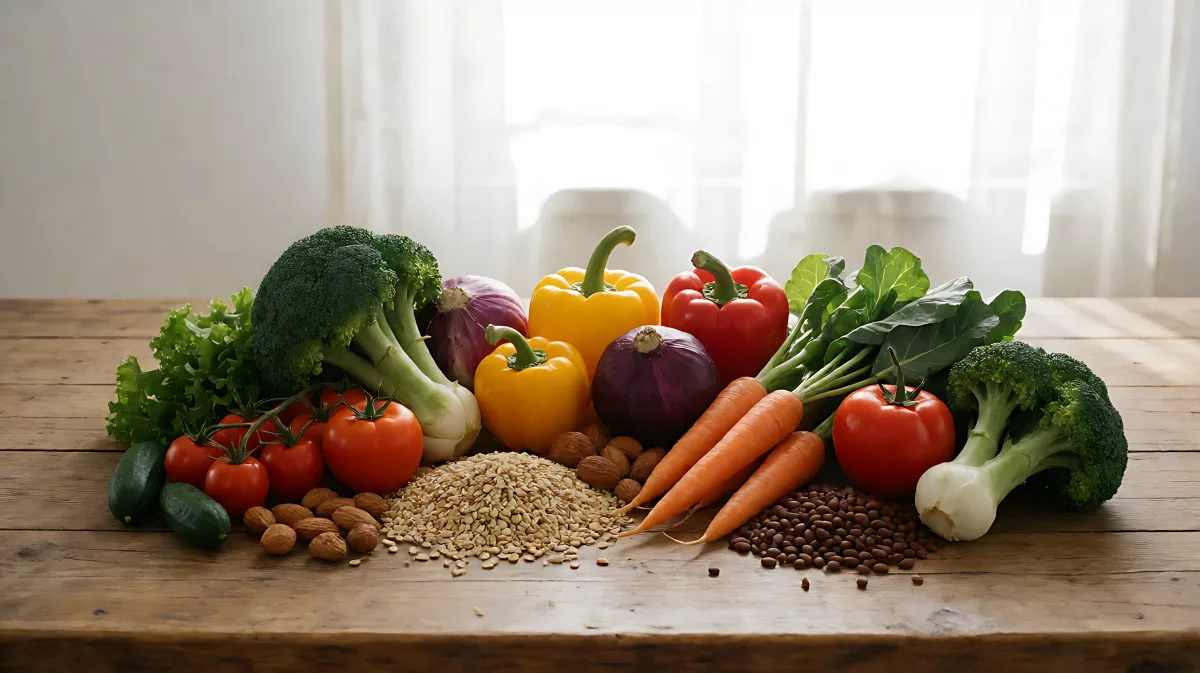
Understand the complex relationship between diet and global health as expert organizations redefine dietary guidelines and target chronic diseases with targeted nutritional strategies.
The 2025-2030 Dietary Guidelines for Americans now emphasize "real food" over heavily processed options, marking a significant shift in federal dietary advice. The World Health Organization reports that nearly 2 billion adults are overweight globally, creating a dual burden of malnutrition where undernutrition and diet-related chronic diseases coexist. Expert bodies like the American Society for Nutrition continue to advance these insights through the latest peer-reviewed journals and international summits.
What do the 2025-2030 Dietary Guidelines actually say?
The latest federal dietary advice simplifies health recommendations into a straightforward mandate: consume real food. The Department of Agriculture released these guidelines to steer consumers away from ultra-processed items and toward whole, unrefined ingredients. This pivot is a direct response to the rising prevalence of obesity and associated metabolic conditions. To support this, authorities encourage users to rely on established resources like FoodData Central, which catalogues the nutritional composition of more than 400,000 food items. This comprehensive database helps individuals and dietitians track nutrient intake with high precision, making it easier to align daily meals with the newest federal standards.
How is the WHO tackling the double burden of malnutrition?
Global health agencies are operating under a 2016-2025 strategy aimed at eradicating all forms of malnutrition, from severe childhood wasting to adult obesity. The World Health Organization estimates that approximately 45 percent of deaths in children under five are linked to undernutrition, while around one-third of pregnant women globally suffer from anaemia. To address these critical gaps, the organization is actively promoting the exclusive breastfeeding of infants under six months of age, though this vital practice is currently observed in less than half of eligible infants. Simultaneously, the WHO is driving campaigns to remove industrially produced trans fats from the food supply and reduce excessive sodium intake, which often exceeds the recommended maximum by a wide margin in most regions.
Where do new nutrition research priorities come from?
Research priorities are increasingly being driven by specialized academic bodies such as the American Society for Nutrition. Recent annual meetings have focused heavily on the intersection of artificial intelligence and machine learning with dietary science. Researchers are also investigating the long-term impacts of GLP-1 medication on metabolic health and the nuanced roles of food additives. Furthermore, the organization has highlighted the importance of standardizing laboratory animal diets to ensure that preclinical studies accurately reflect human nutritional outcomes.
How are scientists using AI to understand diet and chronic disease?
Modern nutrition science is no longer just about calorie counting; it now leverages advanced computational models. The American Society for Nutrition has dedicated entire journal collections to how artificial intelligence can predict individual health risks based on dietary patterns. By processing massive datasets from national health surveys, scientists can now map specific food ingredients to chronic disease markers with unprecedented detail. This data-driven approach allows public health officials to design more targeted interventions for specific demographics, moving away from one-size-fits-all advice.
How much salt do people consume compared to recommended levels?
On average, most people globally consume between nine and twelve grams of salt per day, which is roughly double the maximum recommended daily intake of five grams. This excess sodium consumption is a primary driver of high blood pressure and significantly increases the risk of cardiovascular disease. To mitigate this, global health bodies are promoting food reformulation in the food industry to reduce sodium levels in processed products.
What resources help individuals make informed dietary choices?
Consumers have access to a vast array of digital tools to navigate today's complex food landscape. Beyond reading labels, individuals can consult specific guidance on dietary supplements, which requires careful scrutiny of health claims made by manufacturers. The National School Lunch Program, which has delivered billions of meals to children, also serves as a massive educational tool, introducing young people to diverse food groups. For those interested in the history of health advice, digital collections of older resources provide insight into how nutritional science has evolved over the decades.
Are supplements necessary if you are eating real food?
For most healthy adults consuming a balanced, whole-food diet, high-quality supplements are generally not necessary. However, specific deficiencies such as iron or vitamin D may still require supplementation, particularly in vulnerable populations like older adults or pregnant women. It is always recommended to verify supplement claims with credible institutions rather than relying on marketing materials.
Frequently Asked Questions
What is the most important change in the current dietary guidelines?
The primary shift is the explicit emphasis on "real food," which encourages eating whole, unrefined ingredients rather than heavily processed or ultra-processed products. This approach is designed to improve overall health and reduce the risk of diet-related chronic diseases.
How can I track my nutrient intake easily?
You can use comprehensive databases such as FoodData Central to look up the exact nutritional profile of over 400,000 different foods. This allows for precise tracking of vitamins, minerals, and macronutrients to ensure your diet meets your personal health goals.
What is the global recommendation for salt intake?
Health authorities recommend a maximum of five grams of salt per day. This threshold is set to protect cardiovascular health, as most people consume significantly more, often between nine and twelve grams daily.
What new technologies are impacting nutritional research?
Artificial intelligence and machine learning are currently revolutionizing the field by helping researchers analyze large-scale health data to identify new links between specific dietary factors and chronic diseases, moving the science toward more personalized nutrition recommendations.