Home Safety Guide: Protecting Your Family in 2026
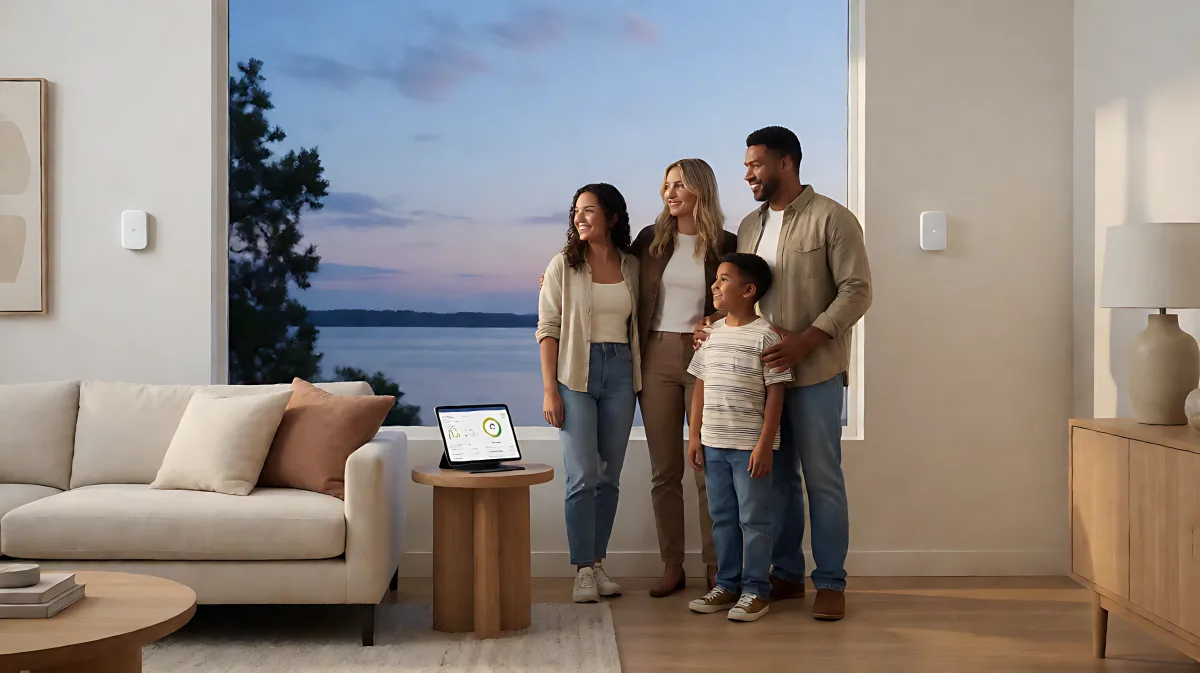
Safety is more than just avoiding accidents; it is a proactive strategy involving technology, rigorous vetting of caregivers, and real-time environmental awareness. Here is how to build a secure living environment in 2026.
Safety in 2026 is defined by proactive risk management rather than just reacting to danger. It involves using advanced home sensors, verifying the backgrounds of in-home caregivers through state registries, and monitoring real-time weather alerts to protect residents. By integrating these three layers of defense, households can significantly reduce the risk of harm and ensure a secure living environment.
How Do Modern Technologies Improve Household Safety?
The definition of safety has evolved from simply being 'free from harm' to actively controlling recognized hazards. In 2026, this is achieved through the Internet of Things (IoT). Smart home ecosystems now provide real-time data on air quality, structural integrity, and emergency threats. For instance, air quality monitors can detect particulate matter concentrations, similar to the model predictions used by public agencies like the Korean National Institute of Environmental Research. These devices provide minute-level resolution data, allowing residents to adjust heating or ventilation systems automatically to prevent respiratory issues or heat stress.
Why Is Background Screening Essential for Caregivers?
When relying on in-home help for elderly family members or children, trust is paramount. The Missouri Department of Health and Senior Services illustrates the standard for robust vetting through its Family Care Safety Registry. This system requires workers to register and undergo criminal background checks before they can provide care. Employers can request these screenings at no additional cost if the worker is already registered. This process ensures that the people entering your home have been verified, reducing the risk of abuse or negligence. The registry provides results via encrypted email, maintaining privacy while ensuring compliance with safety standards.
What Role Do Weather Alerts Play in Personal Safety?
Environmental hazards are a major component of safety planning. In 2026, meteorological agencies like the Korea Meteorological Administration issue specific thresholds for warnings. For example, a heatwave warning is triggered when the perceived temperature exceeds 35°C for two consecutive days. Similarly, strong wind warnings are issued when speeds reach 21 meters per second. Understanding these specific metrics helps you prepare. If a heavy rain warning predicts 90 millimeters of rainfall in three hours, you should secure outdoor items and check for potential flooding. These granular data points, formerly only available to professionals, are now accessible to the public, empowering individuals to make informed decisions during severe weather events.
How Can You Apply Safety Standards at Home?
While professional standards bodies like the American National Standards Institute set guidelines for industrial safety, the principles apply to domestic spaces. Consider the hierarchy of controls: eliminate the hazard, substitute it, use engineering controls, use administrative controls, and use personal protective equipment. In a home, this might mean:
- Eliminate: Remove trip hazards like loose rugs or cluttered pathways.
- Substitute: Replace high-reach storage with accessible cabinets to prevent ladder use.
- Engineering Controls: Install grab bars in bathrooms and use platform screen doors on balconies to prevent falls, a technology increasingly common in urban residential complexes.
- Administrative Controls: Create a family emergency plan and conduct regular drills.
- PPE: Use safety goggles when cleaning with harsh chemicals or cut-resistant gloves when cooking.
What Are the Best Practices for Emergency Preparedness?
Preparedness is about readiness before the emergency occurs. The concept of 'positive value preservation' suggests that safety is not just about avoiding loss but ensuring the system (your family) can function under stress. This includes keeping a 72-hour supply of water and non-perishable food. It also involves understanding the severity scales of natural events. For seismic safety, knowing that a magnitude 3.5 earthquake may be felt but rarely causes damage, while a magnitude 6.0 event can lead to structural failure, helps in maintaining appropriate calmness and readiness. Regularly updating your contact information with local emergency services and ensuring that your smart home devices are connected to a cellular backup can prevent system failures during power outages.
Frequently Asked Questions
How often should I update my home safety plan?
Experts recommend reviewing your home safety plan every six months. This ensures that contact information is current, fire extinguishers are functional, and all household members are familiar with the evacuation routes. Changes in family size or health conditions should also trigger an immediate review of your safety protocols.
Is a criminal background check required for in-home caregivers in all US states?
No, requirements vary by state. Some states, like Missouri, have centralized registries like the Family Care Safety Registry that standardize the process. In other regions, the burden may fall on the individual hiring the caregiver to request checks directly from law enforcement agencies or through third-party service providers. It is crucial to verify the specific legal requirements in your jurisdiction before hiring.
What is the difference between a weather 'advisory' and a 'warning'?
An advisory is issued for conditions that are not expected to be dangerous but could be inconvenient, such as a minor accumulation of snow. A warning is issued for hazardous conditions that are likely to occur, such as a heatwave where temperatures exceed 35°C for two days. Warnings require immediate action to protect life and property, whereas advisories allow for more casual preparation.
Can smart home devices replace physical safety checks?
No, smart devices are a layer of defense, not a complete solution. Sensors can alert you to potential problems, but physical hazards like structural cracks, water damage, or electrical faults still require periodic inspection by qualified professionals. Technology enhances safety by providing data, but it cannot replace the human element of routine maintenance and inspection.