Modern Home Environment: Health, Tech, and Career Impact
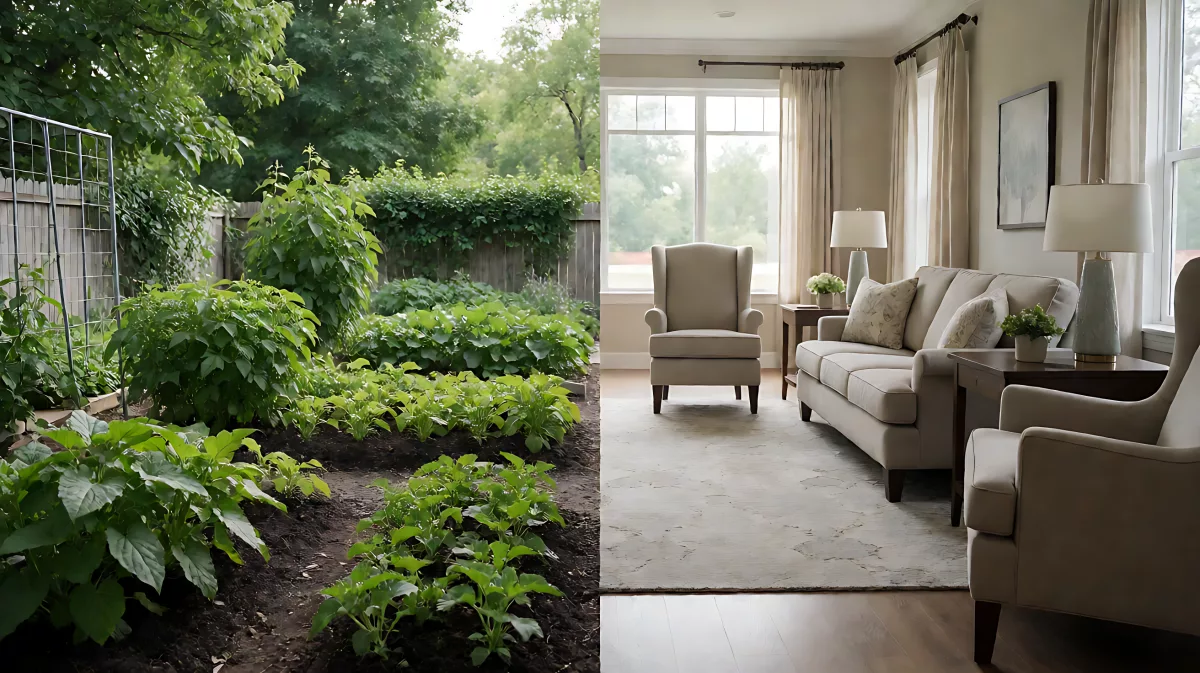
Your home is more than shelter; it is a dynamic system that shapes health and lifestyle. From the UK Environment Agency's mission to combat climate risks to the rise of medical-grade smart homes for seniors, here is how the built environment defines our future.
Your home environment significantly impacts your physical health, cognitive well-being, and professional opportunities by defining your daily safety, comfort, and exposure to pollutants. In 2026, the UK Environment Agency works alongside government and local communities to mitigate risks from flooding and drought, while advanced smart home technologies now serve as critical medical devices for seniors seeking to age in place independently.
What Role Does the Home Environment Play in Public Health?
For decades, experts have noted that a stable and safe home is foundational to human development. Children, for instance, thrive in environments that provide emotional security and physical safety. Research consistently shows that an unstable domestic setting can negatively influence behavior and developmental milestones. Today, this concept has expanded to include the physical infrastructure of the home itself. The quality of indoor air, water purity, and energy efficiency directly correlates with long-term health outcomes. By reducing exposure to toxic pollutants and ensuring thermal comfort, a well-managed home environment acts as a preventive health tool rather than just a shelter.
How Is the UK Environment Agency Reshaping Home Safety?
The Environment Agency, a public body working under the Department for Environment, Food and Rural Affairs, has launched an aggressive initiative to protect homes from climate-driven hazards. In 2026, their focus remains on reducing the risks associated with rising sea levels, coastal erosion, and frequent flooding events. The agency emphasizes that local councils, businesses, and community groups must collaborate with national policies to create resilient communities. Their recruitment drive highlights a need for professionals who can create lasting influence through sustainable practices. By treating the home as a primary unit of climate adaptation, the agency aims to ensure that residential areas remain safe and habitable despite increasing weather extremes.
Why Is Community Collaboration Essential for Flood Risk?
Single households cannot handle major infrastructure challenges alone. The Environment Agency stresses that partnership with the Defra group and local communities is vital. This collaborative approach ensures that resources are allocated efficiently to harden coastlines and improve drainage systems. It also allows for better public engagement, helping residents understand the specific risks to their properties and how to prepare. This shared responsibility model is becoming the standard in UK environmental policy for 2026, moving away from isolated individual action toward collective resilience.
Are Smart Homes Becoming Medical Facilities?
As of 2026, the boundary between a domestic space and a clinic is dissolving. While early smart home gadgets focused on convenience, such as automated lighting and temperature control, the next generation of devices prioritizes health monitoring. In senior care communities, engineers and researchers are integrating sensors that function as diagnostic tools. These systems do not require residents to wear visible medical devices. Instead, the environment itself tracks vital signs. This shift is driven by the demographic reality that the global population of those aged 65 and older is projected to reach massive numbers by mid-century, creating a critical need for independent living solutions that maintain dignity.
How Do Passive Sensors Monitor Elderly Residents?
Pioneering work in gerontological nursing, such as the TigerPlace model developed by researchers at the University of Missouri, demonstrated the effectiveness of ambient monitoring. By using depth sensors and camera arrays that are similar to those found in gaming consoles, these systems can detect falls without the resident putting on a wearable tracker. The technology analyzes movement patterns and silhouettes to identify anomalies, such as a person lying on the floor for an extended period. This method respects the user's autonomy and reduces the stigma often associated with medical wearables. In 2026, similar iterations are becoming standard in high-end care facilities, allowing for immediate alerts to caregivers when a fall or sudden inactivity occurs.
What New Careers Exist in Environmental Stewardship?
The demand for specialists in home environment safety is growing rapidly. Organizations like the Environment Agency seek individuals who can bridge the gap between scientific data and community action. Roles in climate adaptation, water quality management, and flood defense offer stable career paths with high social impact. Similarly, the tech sector is hiring engineers and data scientists to refine health-monitoring algorithms for smart homes. These positions require a blend of software development, medical knowledge, and user experience design. For those looking to enter the workforce, these fields offer the chance to build a future where technology and ecology support human well-being.
What Qualifications Are Needed for Early Career Roles?
Entry-level positions often prefer candidates with degrees in environmental science, engineering, or nursing. However, practical experience in community engagement or software development can also be advantageous. Many organizations offer apprenticeships and graduate schemes that provide hands-on training in risk assessment and data analysis. The key is a commitment to continuous learning, as the intersection of climate policy and digital health is evolving quickly. Professionals must be prepared to adapt to new technologies and regulatory frameworks that emerge throughout the year.
How Can Individuals Improve Their Home Environment?
While large-scale infrastructure projects require government funding, individuals can take immediate steps to enhance their living spaces. Improving ventilation to reduce airborne pollutants, installing energy-efficient insulation to manage temperature, and ensuring clear pathways to prevent falls are all high-impact actions. For those with aging family members, consulting with professionals about non-invasive monitoring systems can provide peace of mind. Furthermore, staying informed about local flood risk assessments and coastal erosion data allows homeowners to make better decisions about property maintenance and insurance. A proactive approach to the home environment yields long-term benefits for both health and financial stability.
Frequently Asked Questions
Does the Environment Agency provide direct help for home repairs?
The Environment Agency primarily focuses on large-scale environmental challenges like flood management and water quality regulation. While they do not typically perform individual home repairs, they provide crucial data and guidance that helps local councils and homeowners understand their risks. They work with partners to build community-level defenses against climate hazards.
Are smart home health monitors safe for privacy?
Modern systems are designed with privacy as a core feature. Many use depth sensors or radar instead of visible video cameras, which do not record identifiable images but rather analyze movement and shape. Data is usually encrypted and processed locally on the device to prevent unauthorized access, ensuring that health information remains within the home unless explicitly shared by the resident.
How can I check if my home is at risk of flooding?
You can consult the official flood risk maps published by the Environment Agency. These maps are updated regularly to reflect new climate data and infrastructure changes. Additionally, local planning authorities often provide specific guidance for homeowners in high-risk zones, advising on drainage improvements and building materials that offer better resistance to water ingress.
Is it too late to start a career in environmental sustainability?
It is not too late. In 2026, the demand for skilled workers in green technology and climate adaptation is at an all-time high. Organizations are actively recruiting for diverse skill sets, including data analysis, community outreach, and engineering. The transition to a sustainable economy creates numerous new roles that did not exist a decade ago, offering strong career growth opportunities for new entrants.