MIND Diet For Brain Health: Evidence & Foods To Eat
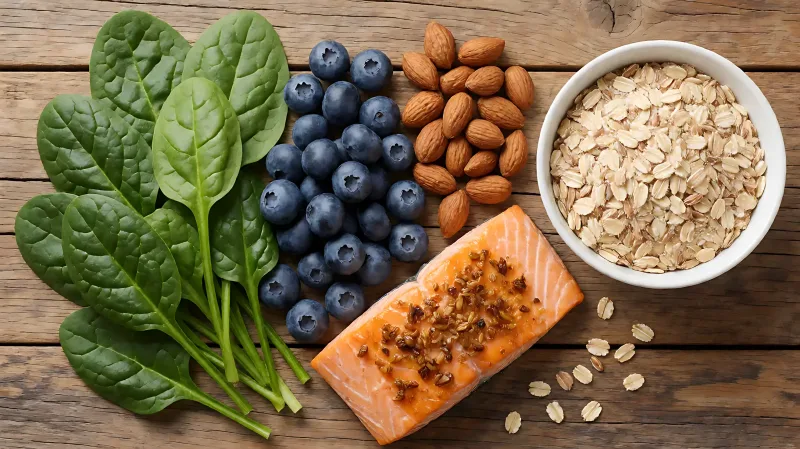
The MIND diet combines Mediterranean and DASH principles to target brain health. Evidence suggests strict adherence may reduce Alzheimer's risk by 53% in older adults.
The MIND diet, which blends Mediterranean and DASH principles, offers a structured approach to supporting cognitive function in older adults. Studies indicate that strict adherence to this food plan is associated with a 53% lower risk of Alzheimer's disease. By focusing on specific brain-healthy nutrients like folate and omega-3s, it aims to slow neurodegeneration and protect memory in aging populations.
For more information, see NIA brain health resources from the National Institute on Aging.
What Is the MIND Diet?
The MIND diet stands for Mediterranean-DASH Intervention for Neurodegenerative Delay. Researchers at Rush University Medical Center and the Harvard Chan School of Public Health introduced this dietary pattern in 2015. It was designed specifically to target brain health and delay cognitive decline, unlike many other popular diets that focus primarily on weight loss or heart health. The diet highlights ten specific food groups that are beneficial for the brain and five that should be limited. It serves as a hybrid, drawing from the proven cardiovascular benefits of the Mediterranean and DASH diets while adding specific neural protection elements.
Which Foods Should You Eat?
To maximize the protective effects for the brain, the MIND diet recommends consuming specific foods in measured quantities. These foods are rich in antioxidants, fiber, and healthy fats that combat inflammation. The key components include:
- Green leafy vegetables: Aim for at least two servings daily. Spinach and kale are excellent sources of folate and vitamin K.
- Other vegetables: Consume at least one serving per day. Cucumbers, peppers, and carrots provide essential antioxidants.
- Whole grains: Eat three or more servings daily. Oats, brown rice, and whole wheat products support stable energy levels.
- Beans: Include four servings per week. These are crucial for plant-based protein and fiber.
- Nuts: Consume one serving per week. Walnuts and almonds provide healthy fats and vitamin E.
- Berries: Eat two servings per week. Blueberries and strawberries are high in flavonoids linked to memory.
- Poultry: Include two servings per week. Chicken and turkey offer lean protein without the saturated fat found in red meat.
- Fish: Consume one serving per week. Fatty fish like salmon provide omega-3 fatty acids vital for brain structure.
- Olive oil: Use this as your primary source of added fat. It is high in monounsaturated fats and polyphenols.
- Wine: One glass of red wine per day was originally included, but recent trials have omitted this for safety. Consult your provider before adding alcohol.
Which Foods Should You Avoid?
The MIND diet explicitly limits five food groups that are associated with increased dementia risk. These items often contain high levels of saturated fats, trans fats, or added sugars. Reducing these components helps lower systemic inflammation, which can negatively impact the brain over time. The groups to limit include:
- Red meat: Restrict to fewer than four servings per week. Beef, pork, and lamb are linked to higher cognitive decline when consumed in excess.
- Butter: Limit to one tablespoon per day. Stick margarine and butter are high in saturated fats.
- Cheese: Consume no more than one serving per week.
- Fried foods: Eat these less than once a week. The combination of high oil temperatures and fried ingredients creates harmful compounds.
- _pastries and sweets: Limit to fewer than five servings per week. High sugar intake is linked to poorer cognitive outcomes in older adults.
What Does the Research Show?
The scientific foundation for the MIND diet comes from long-term cohort studies and clinical trials. The initial research involved over 1,000 participants in the Rush Memory and Aging Project, a study of residents free of dementia at enrollment. Researchers tracked these individuals for up to 10 years. The findings revealed that participants with the highest MIND diet scores had a significantly slower rate of cognitive decline compared to those with the lowest scores. Notably, the brain-protective effects were greater than those seen with the Mediterranean or DASH diets alone.
A subsequent analysis found that individuals who strictly followed the diet had a 53% lower rate of Alzheimer's disease. Those who moderately adhered to the guidelines still saw a 35% reduction in risk. These results held true even after adjusting for other factors like cardiovascular disease, depression, and obesity. This suggests the dietary effects are independent of general heart health. More recently, a randomized controlled trial with 604 adults aged 65 and older showed that a MIND diet intervention, combined with calorie restriction, led to significant improvements in cognitive function compared to a control group.
How Does It Protect the Brain?
The mechanism behind the MIND diet's effectiveness involves reducing oxidative stress and inflammation. The recommended foods are dense in specific nutrients that support neuronal health. These include folate, vitamin E, omega-3 fatty acids, carotenoids, and flavonoids. For example, flavonoids found in berries and leafy greens may help maintain the plasticity of the brain, which is the ability of neural networks to change in response to new inputs. By limiting saturated fats and sugars, the diet also reduces the risk of vascular issues that can impair blood flow to the brain, thereby supporting both cognitive and cardiovascular health simultaneously.
FAQ
Can the MIND diet reverse dementia?
No, the MIND diet is not a cure for existing dementia or Alzheimer's disease. However, evidence suggests it can slow the rate of cognitive decline in older adults who are still cognitively healthy. It serves as a preventive strategy to lower the risk of developing neurodegenerative conditions.
Do I have to give up red meat completely?
You do not need to eliminate red meat entirely, but you must limit it. The guideline suggests consuming red meat fewer than four times per week. Poultry is recommended as the primary source of animal protein, with at least two servings per week to balance out the fat profile.
Is the MIND diet suitable for people under 65?
While the research primarily focuses on older adults, the MIND diet is generally considered a healthy eating pattern for all ages. The foods recommended, such as whole grains, vegetables, and nuts, are beneficial for everyone. However, the specific cognitive protection data is most robust in the 65+ population.
How quickly will I see results?
Cognitive changes occur gradually. Studies track outcomes over years, not weeks. Consistent adherence is key. Some participants report feeling better energy and mental clarity within months due to improved blood sugar stability and reduced inflammation, but measurable protection against dementia is a long-term benefit.