Sleep Disorders and Brain Health: Risks and Fixes
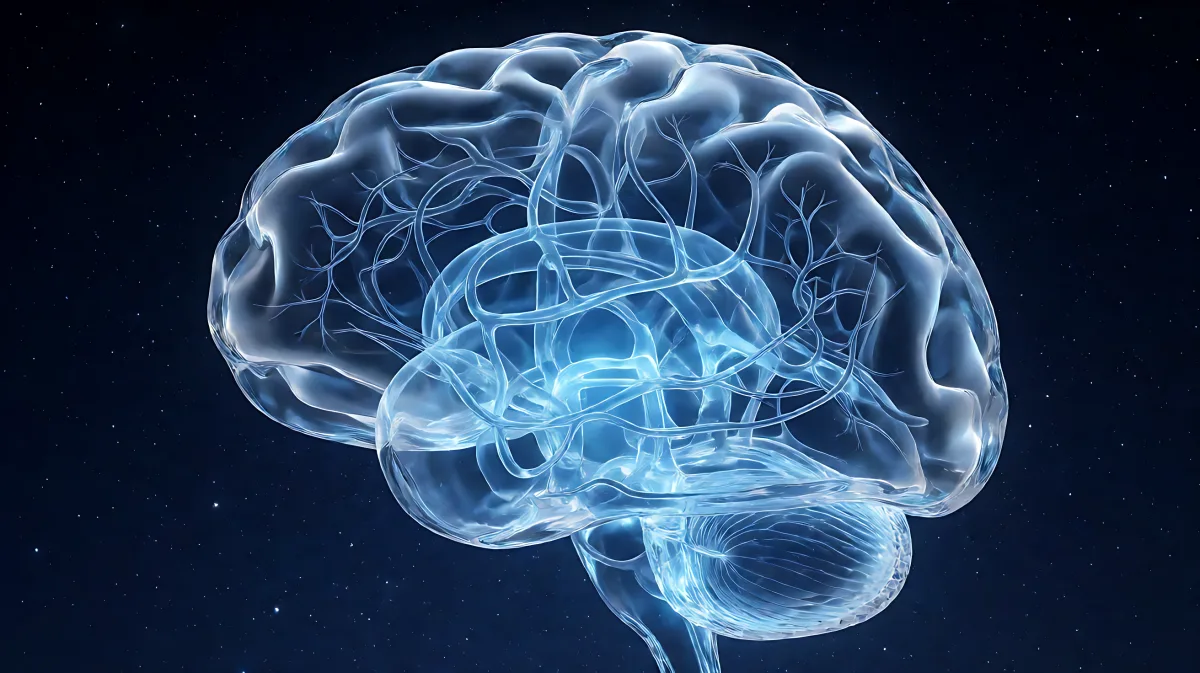
Sleep is not just rest; it is a critical biological process that clears brain toxins and consolidates memory. This guide explains the link between sleep disorders and cognitive decline.
Chronic sleep disorders directly undermine brain health by disrupting the glymphatic system, which clears metabolic waste and toxins like beta-amyloid during deep sleep. According to the American Heart Association, insufficient or fragmented sleep increases the risk of cerebrovascular disease and cognitive impairment, meaning that protecting sleep is as vital as diet and exercise for maintaining long-term mental clarity.
Why is deep sleep the brain’s nightly detox?
During the deepest phase of sleep, known as slow-wave sleep, the brain undergoes a critical housekeeping process. The glymphatic system, a network of channels that drains cerebrospinal fluid, becomes highly active, flushing out cellular debris and proteins associated with neurodegenerative conditions. Dr. Susan Redline, a professor of sleep medicine at Harvard Medical School, notes that this phase is essential for restoring energy and supporting memory. If deep sleep is disrupted, the brain cannot effectively remove these toxins, leading to potential long-term damage.
Many families assume that any sleep is restorative, but in fact, only specific stages of sleep perform this cleansing function. If you sleep for seven hours but experience frequent awakenings or lack deep sleep, your brain may not get the necessary repair. This is particularly critical for those over 60, who naturally lose 40 to 50 percent of their deep sleep capacity, making it even more important to protect the hours you do have.
How do sleep disorders disrupt brain function?
Sleep apnea and other fragmentation causes brief awakenings that spike stress hormones like epinephrine. These surges raise blood pressure, a condition known as nocturnal hypertension, which can damage small blood vessels in the brain. Over time, these tiny injuries can lead to silent strokes, which contribute to multi-infarct dementia. The American Psychological Association highlights that sleep problems are not just symptoms of mental illness but can actually precipitate them. Research indicates that insomnia is a significant predictor for the onset of depression and anxiety, creating a bidirectional relationship where poor sleep fuels psychological distress.
What actionable steps can you take to protect your brain?
Improving sleep quality requires more than just going to bed earlier. The National Sleep Foundation recommends specific behavioral adjustments to support brain health. Below is a checklist to help you optimize your sleep environment and habits:
- Consistency: Set a fixed bedtime and wake-up time to regulate your circadian rhythm.
- Light Exposure: Get 45 to 60 minutes of bright outdoor light during the day to strengthen your internal clock.
- Screen Hygiene: Avoid blue light from devices for at least an hour before bed to ensure melatonin production is not suppressed.
- Substance Control: Refrain from alcohol and caffeine in the late afternoon and evening, as these fragment sleep architecture.
- Medical Screening: If a partner reports loud snoring or if you wake up unrefreshed, consult a doctor to rule out sleep apnea.
Why are sleep medications often a mistake?
Many older adults assume that prescription sleep aids are the safest way to ensure rest, but evidence suggests they can be counterproductive. Sedatives like benzodiazepines and Z-drugs often suppress the very deep sleep stages required for memory consolidation and toxin clearance. Furthermore, the National Sleep Foundation links certain sedatives to an increased long-term risk of dementia and falls. Instead of relying on medication, Cognitive Behavioral Therapy for Insomnia (CBT-I) is widely regarded as the first-line treatment. It addresses the underlying thought patterns and behaviors that disrupt sleep without causing chemical dependency or cognitive side effects.
How does sleep influence mental health resilience?
Sleep acts as a buffer against psychological stress. When sleep is chronically deficient, the body’s stress response system remains in overdrive, leading to elevated cortisol levels and systemic inflammation. This inflammation is linked to physical conditions like Type 2 diabetes and heart disease, but it also affects the brain, increasing vulnerability to mood disorders. Jessica Payne, a cognitive neuroscientist at the University of Notre Dame, points out that culture often treats sleep deprivation as a badge of honor, but biologically, it is a potent stressor that degrades mental resilience.
For individuals with pre-existing sleep difficulties, the risk of developing post-traumatic stress disorder (PTSD) after a traumatic event is significantly higher. This underscores the need to treat sleep disorders as a priority, not a secondary concern. By stabilizing sleep patterns, you stabilize your emotional and cognitive baseline, allowing the brain to process experiences more effectively.
FAQ
How much sleep is enough to protect brain health?
For most adults, the goal is seven to nine hours of sleep per night. However, quality matters more than quantity. Prioritizing consistent sleep-wake times and minimizing disruptions allows the brain to cycle through essential deep sleep phases, which are necessary for cognitive maintenance.
Can I improve deep sleep as I get older?
Yes. While the amount of deep sleep naturally declines with age, you can enhance its quality through consistent light exposure, regular exercise, and limiting alcohol. Behavioral strategies like CBT-I are highly effective in older adults and do not carry the risks associated with long-term sedative use.
What are the signs of a sleep disorder affecting the brain?
Common signs include waking up feeling unrefreshed, excessive daytime sleepiness, loud snoring, or memory lapses. If these symptoms persist for more than a month, it is advisable to seek a sleep study to check for conditions like obstructive sleep apnea.
Does treating insomnia lower the risk of depression?
Research supports a strong link between the two. Treating insomnia with evidence-based therapies like CBT-I has been shown to reduce the risk of new-onset depression and anxiety, highlighting that sleep intervention is a crucial component of mental health care.