Managing Heart Pauses: Link to Stroke Risk
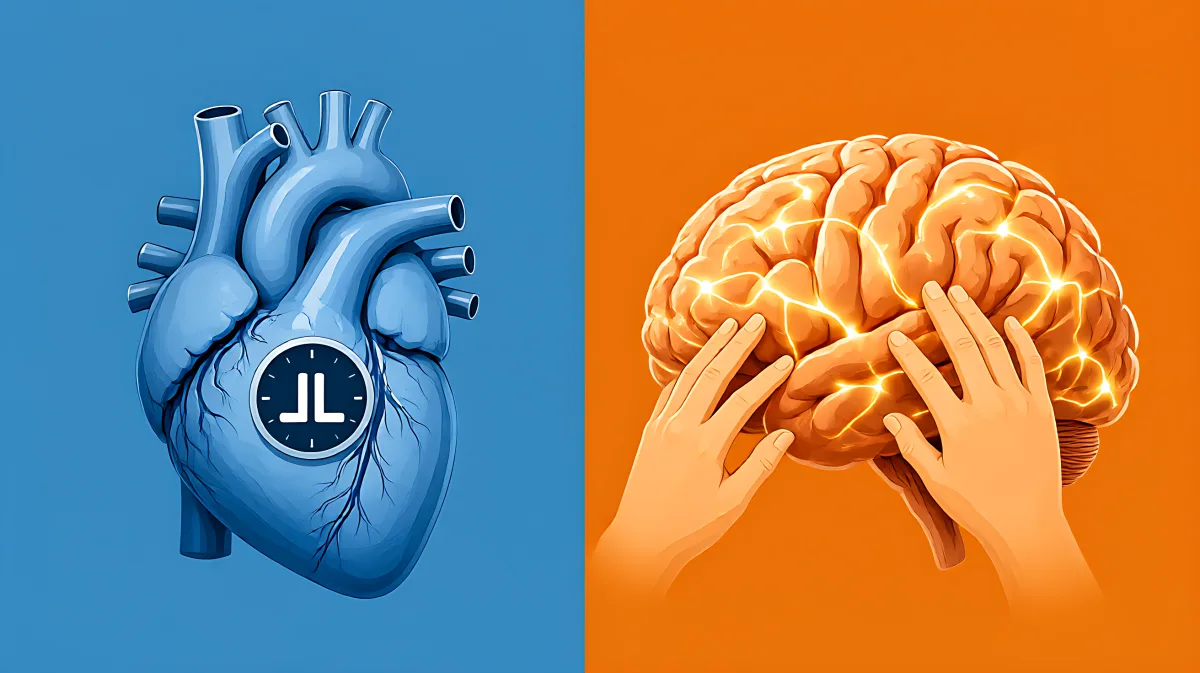
Heart pauses during atrial fibrillation are a critical risk factor for stroke. This guide explains the connection and outlines the latest recommendations for early, personalized stroke rehabilitation in 2026.
Heart pauses, specifically those lasting more than three seconds, are a serious medical concern that can increase the risk of stroke. These pauses often occur in patients with atrial fibrillation and can lead to temporary blood flow disruptions. To mitigate these risks, the American Heart Association released a new guideline in 2026 emphasizing that stroke rehabilitation must begin within 48 hours of the event. This early intervention is critical for maximizing brain recovery and reducing long-term disability.
Why Do Heart Pauses Increase Stroke Risk?
Many individuals assume that heart pauses are harmless fluctuations in heartbeat, but in fact, they can be a sign of underlying electrical dysfunction. When the heart pauses for an extended period, blood flow to the brain is reduced. In patients with atrial fibrillation, these pauses are often associated with a condition known as tachycardia-bradycardia syndrome. This syndrome involves the heart alternating between rapid rates and slow rates. The sudden drop in heart rate can cause symptoms such as dizziness, lightheadedness, or fainting. If a pause is long enough, it can compromise the brain's supply of oxygenated blood, which is a precursor to ischemic events.
The European Society of Cardiology has highlighted that pauses longer than three seconds during atrial fibrillation warrant immediate medical attention. While some research suggests that isolated pauses may not always predict poor prognosis, the combination of pauses and symptoms is a strong indicator of the need for intervention. Doctors often recommend monitoring via wearable devices to capture these events accurately. If the pauses are significant, a pacemaker may be recommended to maintain a steady heart rate and prevent the brain from being deprived of blood flow.
What Does the 2026 Stroke Rehabilitation Guideline Recommend?
The 2026 Guideline for Adult Stroke Rehabilitation and Recovery, published by the American Stroke Association, marks a significant shift in how post-stroke care is delivered. The guideline stresses that rehabilitation should start as soon as the patient is medically stable, ideally within 48 hours. This early start is not just about physical therapy; it includes cognitive, language, and mental health assessments. The document notes that stroke is now the fourth leading cause of death in the United States, with nearly 800,000 people affected annually. Early, personalized care is essential to help survivors regain independence in daily activities such as walking, speaking, and socializing.
How Does Early Intervention Affect Outcomes?
Early intervention helps the brain leverage neuroplasticity, the ability to form new neural connections. By starting therapy within the first two days, healthcare teams can address physical deficits before they become entrenched. The guideline emphasizes a multidisciplinary approach, involving physical therapists, occupational therapists, speech-language pathologists, and mental health professionals. This team-based strategy ensures that all aspects of recovery are addressed simultaneously. For instance, a patient may need to learn how to eat with a weakened hand (occupational therapy) while also managing post-stroke depression (mental health). Coordinating these services early prevents secondary complications and improves overall quality of life.
What Are the Steps to Manage Heart Pauses and Protect Brain Health?
If you or a loved one has been diagnosed with atrial fibrillation or experienced a stroke, following these evidence-based steps can significantly improve outcomes. These actions align with the latest 2026 medical standards and expert recommendations.
- Monitor for symptoms: Keep a log of any dizziness, fainting, or lightheadedness. Note the time and duration of these episodes. This data is crucial for your cardiologist when determining if a pacemaker is needed.
- Review medications: Some drugs used to control atrial fibrillation can worsen heart pauses. Always consult your doctor before changing dosages. They may adjust your regimen to balance rhythm control and heart rate stability.
- Start rehabilitation early: If you have had a stroke, do not wait for discharge from the hospital. Begin physical and cognitive exercises as soon as your medical team approves, ideally within 48 hours of the event.
- Address mental health: Screen for depression and anxiety regularly. Emotional well-being is a direct component of physical recovery. Joining support groups or engaging in journaling can help process the changes in daily life.
- Support caregivers: Recognize that family members and caregivers face significant stress. Approximately 2.7 million caregivers in the United States support stroke survivors. Ensure they have access to resources and respite care to prevent burnout.
What Common Misconceptions Should You Avoid?
One prevalent misconception is that stroke recovery is a purely physical process. Many families assume that if the limb moves, the recovery is complete, but in fact, cognitive and emotional factors are equally vital. The 2026 guideline explicitly states that mental health screening is a core component of rehabilitation. Ignoring post-stroke depression can hinder physical progress, as low motivation reduces participation in therapy. Another mistake is delaying rehabilitation until the patient feels "ready." Waiting for complete stability can lead to muscle atrophy and loss of functional independence. The brain requires active engagement to rewire, and this process is most effective when started immediately after the acute phase.
FAQ
Are heart pauses during atrial fibrillation always dangerous?
Not necessarily, but pauses lasting more than three seconds or those accompanied by symptoms like fainting are concerning. These may indicate tachy-brady syndrome and require evaluation for pacemaker therapy to prevent inadequate blood flow to the brain.
How soon should stroke rehabilitation begin?
According to the 2026 American Heart Association guidelines, rehabilitation should start as soon as the patient is medically stable, ideally within 48 hours of the stroke. Early intervention helps maximize neuroplasticity and functional outcomes.
Can medications make heart pauses worse?
Yes. Certain anti-arrhythmic drugs and beta-blockers used to treat atrial fibrillation can slow the heart rate further, potentially lengthening pauses. Doctors must carefully balance the need for rhythm control against the risk of bradycardia.
What role does mental health play in stroke recovery?
Mental health is a critical component of recovery. Post-stroke depression and anxiety are common and can impede physical rehabilitation. The 2026 guidelines recommend regular screening and support to ensure emotional well-being supports physical healing.
How many people are affected by stroke in the US?
Nearly 800,000 people in the United States experience a stroke each year. It is the fourth leading cause of death and a leading cause of serious, long-term disability. Early and comprehensive care is essential to improve survival and independence.