Microplastics Health Risks: Daily Exposure & Solutions
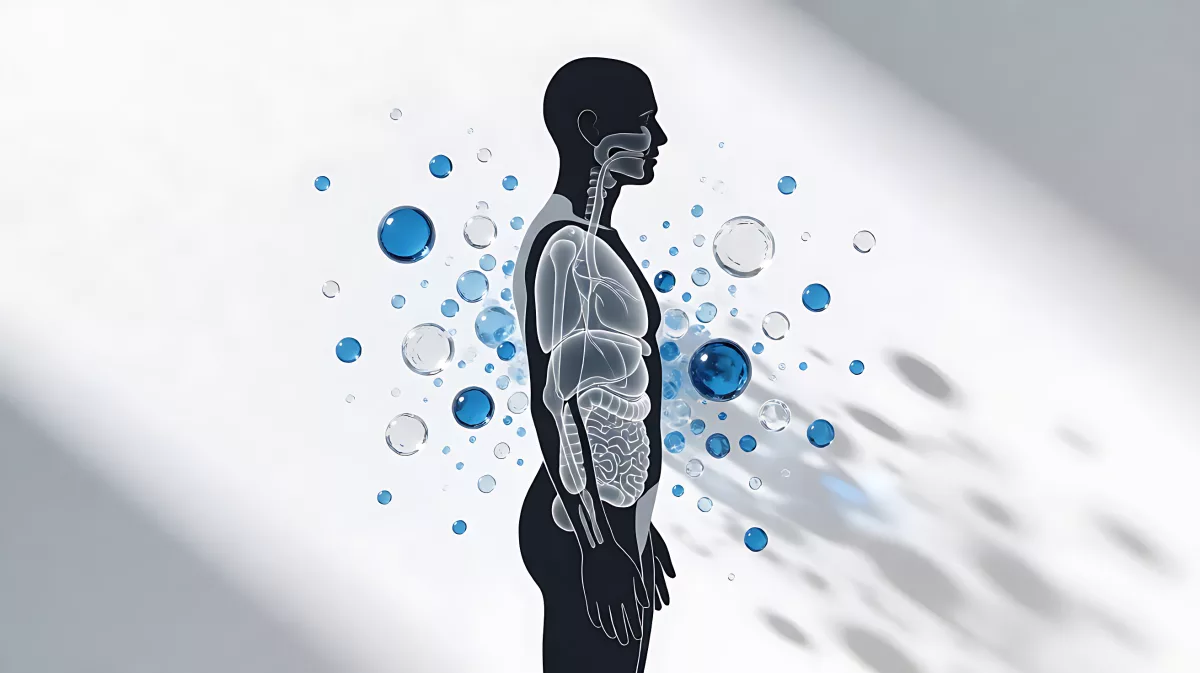
Microplastics are now detected in human blood, lungs, and organs. This guide explains how daily habits contribute to plastic accumulation and offers evidence-based ways to lower your risk for better longevity.
Microplastics are tiny plastic fragments that have entered the human bloodstream, lungs, and organs. Daily habits like heating food in plastic, wearing synthetic clothes, and drinking bottled water increase your body's accumulation of these particles. To support longevity, focus on reducing exposure through material swaps and filtration.
How do microplastics enter the human body?
Microplastics are defined as synthetic plastic particles less than 5 millimeters in size, with the smallest variants known as nanoplastics measuring under 100 nanometers. These particles enter the body through three main pathways: inhalation, ingestion, and skin contact. According to recent assessments, global human consumption of microplastics has increased significantly in recent decades. In early 2025, a clinical trial conducted at Imperial College London involved volunteers ingesting microplastic-laden solutions derived from common scenarios like microwaving food in plastic containers. The researchers found that heating plastic accelerates the release of particles, allowing them to cross the gut lining and enter the bloodstream.
While older estimates suggested individuals might ingest tens of thousands of particles annually, newer data suggests the volume is even higher and more consistent with daily habits. These particles are now routinely detected in human saliva, breast milk, and deep lung tissue. Because the human body cannot biodegrade plastic, these particles persist, leading to bioaccumulation in organs over time.
What specific health risks are associated with plastic accumulation?
Medical research indicates that microplastics are not inert. They act as vectors for toxic chemical additives, such as bisphenol A (BPA) and phthalates, which can disrupt endocrine functions. Recent post-mortem studies have highlighted a concerning correlation between plastic burden and cardiovascular health. Researchers found that individuals diagnosed with dementia had significantly higher concentrations of plastic particles in their brain tissue compared to those without the condition. Additionally, microplastics have been identified in arterial plaques, suggesting a potential link to vascular inflammation and increased risk of heart disease.
For longevity, the primary concern is chronic, low-grade inflammation. When nanoplastics enter the bloodstream, they can trigger an immune response that results in persistent tissue scarring. This inflammatory state compromises organ function and accelerates biological aging. The presence of these particles in the liver, kidneys, and spleen indicates that the body is constantly working to manage a foreign load that it cannot naturally eliminate.
Which daily habits contribute to the highest exposure?
Your routine choices have a direct impact on your plastic intake. The following habits are identified as high-risk vectors:
- Heating food in plastic: Microwaving or storing hot meals in plastic containers is one of the most efficient ways to release microplastics into your food. The heat causes the polymer matrix to degrade, shedding particles directly into the meal.
- Washing synthetic clothing: Polyester, nylon, and acrylic garments shed thousands of microfibers during machine washing. These fibers pass through standard wastewater treatment systems and settle in indoor dust, which is then inhaled daily.
- Drinking bottled water: While intended to be pure, bottled water often contains more microplastic fragments per liter than tap water due to the manufacturing and storage process of the bottles themselves.
- Using plastic tea bags: Studies have shown that steeping plastic-coated tea bags in hot water can release billions of micro and nanoplastics into the beverage.
How can you reduce microplastic exposure for better health?
Reducing exposure is a key component of a longevity-focused lifestyle. You do not need to eliminate all plastic from your life, but you can significantly lower your body's burden by modifying specific behaviors.
First, switch to glass or stainless-steel containers for food storage and microwave heating. This single change eliminates one of the largest sources of ingestion. Second, upgrade your household filtration. Installing a tap water filter with activated carbon or ceramic elements can remove many suspended plastic particles from your drinking water. Third, manage your laundry. Use a microfiber filter for your washing machine, wash clothes in cold water to reduce fiber shedding, and consider switching to natural fibers like cotton or linen for high-wear items like t-shirts and underwear.
Furthermore, maintain indoor air quality. Vacuuming frequently with a HEPA-filter vacuum removes settled plastic dust from carpets and upholstery. If you live in a high-traffic urban area, be aware that outdoor air contains airborne microplastics from tire wear and industrial emissions. Keeping windows closed during peak traffic hours can limit this inhalation vector.
What role does longevity science play in detecting plastic damage?
As the field of longevity expands, researchers are integrating environmental toxins into broader health assessments. Organizations like Human Longevity have begun advocating for comprehensive biomarker tracking that includes exposure to environmental pollutants. While specific tests for microplastic burden in standard blood panels are not yet widespread in primary care, the principle of early detection remains vital.
Monitoring inflammatory markers, such as C-reactive protein, alongside cardiovascular health can provide indirect clues about systemic stress from pollutants. The goal of modern longevity medicine is to catch these accumulations before they cause irreversible organ damage. By combining a plastic-reduction lifestyle with regular health screenings, you can mitigate the unknown risks associated with environmental plastic pollution.
Frequently Asked Questions
Can I test my body for microplastic accumulation today?
Currently, there are no standard, clinically validated tests for microplastics available at general clinics. However, some private health providers and research institutions offer experimental testing kits that analyze blood and urine samples for plastic particles. These services are not yet universally regulated and should be approached with caution regarding diagnostic validity.
Are natural plastics safer than synthetic ones?
Bio-based plastics can still shed particles, but they may break down more readily in the environment. Inside the body, the risk profile is similar for all synthetic polymers. The safest approach is to avoid consuming any plastic particles, regardless of their source, by opting for glass, metal, or ceramic vessels for food preparation.
Does bottled water really have more microplastics than tap water?
Yes, multiple studies have found that the plastic used for bottles and caps can shed particles into the water, especially if the bottles are exposed to heat or pressure. While tap water also contains microplastics, using a good filtration system on tap water is often a more effective way to reduce this specific source of exposure.