Microfracture Healing Nutrition: Key Diets for Cartilage Repair
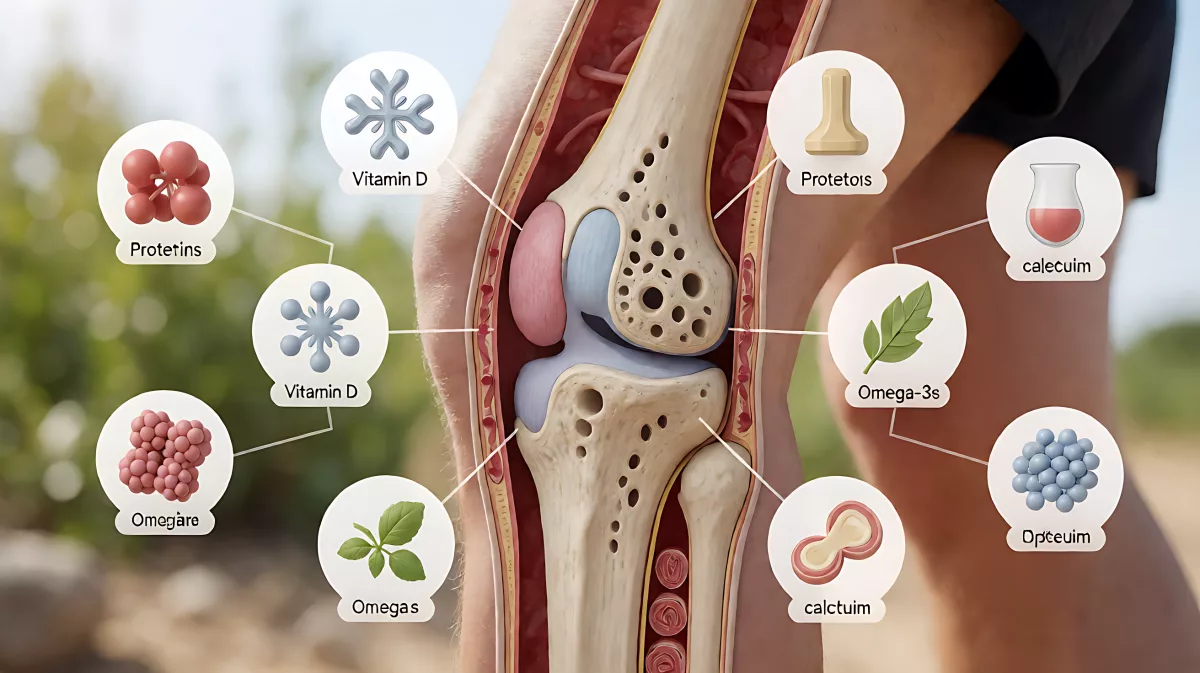
Optimal nutrition is critical for successful microfracture healing. This guide details the specific macronutrients and micronutrients required to support the formation of fibrocartilage and reduce inflammation during recovery.
Proper nutrition directly influences the quality and speed of cartilage repair following microfracture surgery. By prioritizing high-quality protein, anti-inflammatory fats, and specific micronutrients like Vitamin C and Vitamin D, patients can support the body’s natural production of fibrocartilage and reduce surgical inflammation.
Why Nutrition Matters in Microfracture Recovery
Microfracture surgery is a marrow-stimulating technique where surgeons create small holes in the subchondral bone to encourage the release of bone marrow blood. This blood carries mesenchymal stem cells to the defect site, where they differentiate into fibrocartilage. While the procedure relies on biological healing, the raw materials for this repair come from your diet.
Cartilage is a protein-rich matrix with very few cells and no blood supply, making it difficult for the body to repair autonomously. Dr. Anu Subramanian at the University of Alabama in Huntsville, whose research is supported by the National Institutes of Health, notes that some stem cells convert into chondrocytes needed for collagen regrowth, while others become fibroblasts that create a less sturdy form of tissue. The resulting repair tissue is often weaker than the original hyaline cartilage. To maximize the strength of this new tissue, the body requires precise nutritional support to manage the inflammatory response and facilitate tissue integration.
Which Macronutrients Drive Tissue Repair?
Macronutrients provide the structural framework and energy required for the healing process. Protein is particularly vital because cartilage is composed primarily of type II collagen and proteoglycans.
- High-Quality Protein: Aim for 1.6 to 2.2 grams of protein per kilogram of body weight daily. This intake supports the synthesis of new collagen fibers. Lean meats, fish, eggs, and plant-based sources like lentils are ideal.
- Complex Carbohydrates: These provide sustained energy for the immune system and cellular repair processes. Whole grains, oats, and root vegetables help maintain stable blood glucose levels, which supports overall metabolic function.
- Healthy Fats: Omega-3 fatty acids are critical for reducing post-surgical inflammation. Sources include wild-caught salmon, sardines, flaxseeds, and walnuts. Excessive inflammation can impede the repair process, so balancing omega-6 and omega-3 intake is key.
Essential Micronutrients for Bone and Cartilage Health
Vitamins and minerals act as co-factors in the biochemical pathways of bone healing and collagen synthesis. Without these, the body cannot efficiently utilize protein and other nutrients.
Which Vitamins Support Collagen Synthesis?
Vitamin C is the most critical vitamin for collagen production. The body cannot make collagen without adequate ascorbic acid. Citrus fruits, strawberries, bell peppers, and leafy greens are excellent sources. Vitamin K2 also plays a role in directing calcium to the bones and teeth rather than soft tissues, supporting the subchondral bone where microfractures are created.
What Role Do Calcium and Vitamin D Play?
The microfracture procedure involves creating holes in the subchondral bone. Therefore, bone density and mineralization are paramount. Calcium and Vitamin D work together to maintain bone health. Sunlight exposure, fortified dairy or plant milks, and fatty fish are key sources. The National Institutes of Health recommends maintaining adequate Vitamin D levels to ensure optimal absorption of calcium, which is essential for the structural integrity of the repairing joint.
Should You Use Supplements During Recovery?
While whole foods are always preferred, some supplements may offer targeted benefits for orthopedic recovery. However, they should complement, not replace, a balanced diet.
- Collagen Peptides: Hydrolyzed collagen may increase circulating levels of amino acids that aid in the synthesis of new cartilage tissue. Some athletes use these to support joint health.
- Glucosamine and Chondroitin: These are common cartilage support supplements. Evidence is mixed, but they are often prescribed by orthopedic surgeons to support joint lubrication and comfort.
- Zinc and Magnesium: These minerals are involved in hundreds of enzymatic processes, including DNA synthesis and protein production. A deficiency can slow healing.
Always consult your orthopedic surgeon or a registered dietitian before starting new supplements, especially if you are on blood thinners or other medications that may interact with vitamin K or omega-3s.
How Does Anti-Inflammatory Eating Affect Outcomes?
The early recovery phase is characterized by a pro-inflammatory environment. While inflammation is necessary for healing, chronic or excessive inflammation can have a catabolic effect, breaking down new tissue. Research from the University of Alabama in Huntsville indicates that managing the joint environment is critical, as unchecked cytokines can impede repair.
An anti-inflammatory diet helps modulate this response. Foods to include:
- Berries (blueberries, cherries, raspberries)
- Turmeric and ginger (natural anti-inflammatories)
- Green tea
- Leafy greens
Foods to limit:
- Processed sugars and refined carbohydrates
- Trans fats and fried foods
- Excessive alcohol consumption
Hydration and Its Impact on Cartilage Health
Cartilage cells, or chondrocytes, are highly dependent on their water content. Adequate hydration ensures that the matrix remains pliable and that nutrients can be transported to the repair site. Aim for at least 8 to 10 cups of water daily, increasing intake on days with higher physical activity or in warm weather.
FAQ
Can diet reverse the effects of a microfracture?
No, diet cannot reverse the surgical procedure. However, optimal nutrition can improve the quality of the fibrocartilage that forms in the defect site, potentially reducing the risk of future joint failure and improving long-term function.
How much protein is recommended after joint surgery?
Most orthopedic nutrition guidelines suggest increasing protein intake to 1.6 to 2.2 grams per kilogram of body weight daily during the healing phase to maximize collagen synthesis and muscle preservation during periods of reduced mobility.
Are collagen supplements proven to speed up healing?
While some studies suggest that hydrolyzed collagen may increase blood levels of amino acids beneficial for tissue repair, it is not a magic bullet. It works best when combined with adequate Vitamin C and overall caloric balance.
Should I avoid dairy during recovery?
Generally, no. Dairy is a strong source of calcium and protein. However, if you are lactose intolerant or have dietary restrictions, ensure you meet your calcium and protein needs through fortified plant milks, leafy greens, and legumes.