How To Use Micro-Movements To Relieve Desk Pain
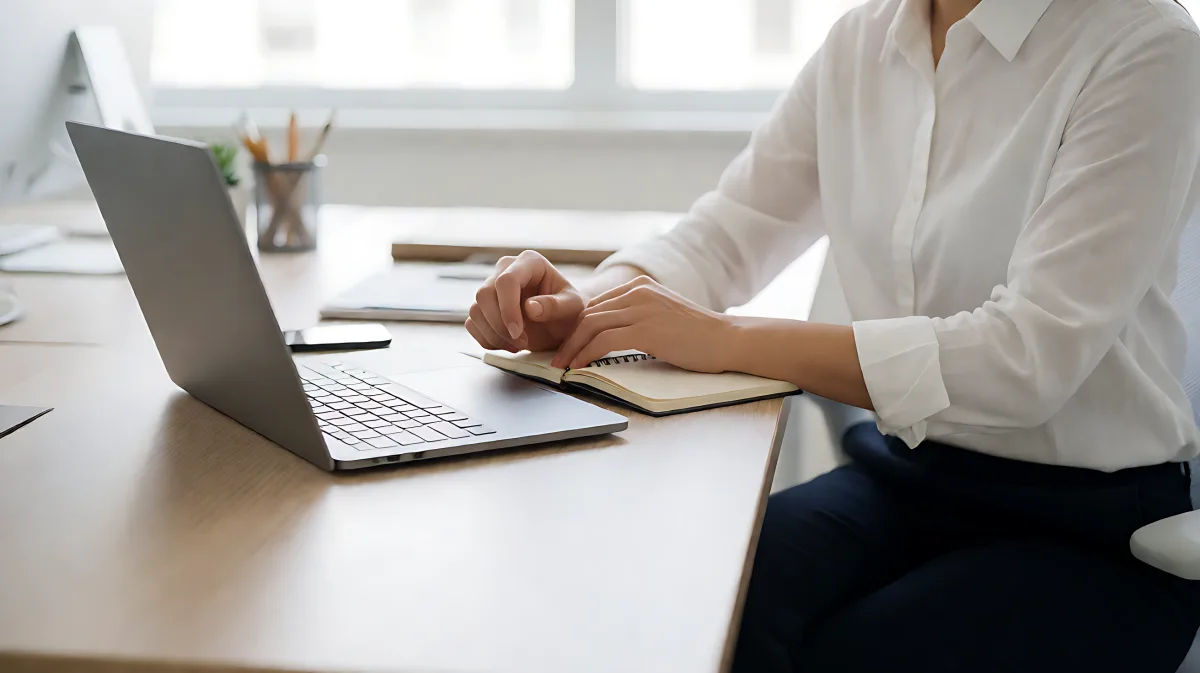
Sitting for hours causes stiffness and slows circulation. Learn how short, intentional micro-movements can reverse these effects, improve focus, and protect your spine without leaving your chair.
Micro-movements are small, intentional bursts of activity performed while seated or standing at a desk to counteract the physical stagnation of prolonged sitting. By integrating these brief actions, such as ankle pumps, shoulder rolls, and posture resets, every 20 to 45 minutes, desk workers can significantly improve blood circulation, reduce muscle tension, and maintain cognitive focus without disrupting their workflow.
Why Your Body Needs Movement at the Desk
Modern work environments are designed for static posture, yet the human body is built for dynamic movement. When you remain in one position for extended periods, your muscles stop contracting to pump blood back to your heart. This leads to a condition known as venous stasis, which can cause leg swelling, numbness, and an increased risk of deep vein thrombosis. Furthermore, holding a static posture places continuous load on the intervertebral discs and soft tissues of the lower back and neck, contributing to chronic discomfort.
Research published in the Journal of Occupational Health indicates that short movement breaks of just two minutes every 30 to 60 minutes can increase leg blood flow by 30 percent. A systematic review from the same field confirms that frequent micro-movements are more effective for maintaining peripheral circulation than taking one long break at the end of the day. The goal is not to replace your workout routine but to interrupt the cycle of inactivity that drives pain and fatigue.
Does good posture actually prevent pain?
A common misconception is that holding a "perfect" posture is the key to a pain-free back. Many professionals assume that sitting up straight and still will protect their spine. In fact, static loading is worse for your tissues than imperfect posture. Your muscles fatigue when they must hold one position for hours. The American Optometric Association and various ergonomic studies suggest that regular posture changes and small movements reduce muscle fatigue and joint stiffness far more effectively than rigid perfection. Movement is the antidote to stillness.
Core Micro-Movements for Circulation and Flexibility
You do not need special equipment to start moving. The following exercises target the most affected areas for desk workers: the legs, lower back, shoulders, and wrists.
- Ankle Pumps: While seated, point your toes away from you, then pull them back toward your shins. Repeat this motion 20 times. This activates the calf muscle pump, which acts as a secondary heart to circulate blood in your lower extremities.
- Seated Spine Reset: Sit tall, roll your shoulders back, and gently arch your upper back. Hold this extension for five seconds, then return to neutral. This counteracts the forward hunch of looking at a screen.
- Wrist Flexor Stretches: Extend one arm with your palm facing up and gently pull your fingers back with your other hand. Hold for 10 to 15 seconds. Switch hands. This prevents the carpal tunnel tightness associated with typing.
- Standing Knee Bends: If you have a standing desk or can stand briefly, perform small, slow knee bends. This engages the quadriceps and stabilizes the knee joint without requiring a full squat.
Building a Daily Movement Schedule
Consistency is more important than intensity. Instead of waiting for a scheduled break, integrate micro-movements into your natural workflow. Here is a recommended schedule to keep your body active throughout the day:
- Every 20 Minutes: Look at an object 20 feet away for 20 seconds. This follows the 20-20-20 rule recommended by eye care professionals to reduce digital strain and encourage you to lean back into your chair.
- Every 30 Minutes: Perform a set of ankle pumps or shoulder rolls for 30 seconds. This resets your core and upper body posture.
- Every 60 Minutes: Stand up or walk for one to two minutes. Use this time to grab water or use the restroom. Standing decompresses the spine and activates postural muscles.
- Hourly Movement Break: Alternate between sitting and standing if you have the option. If not, take a brief walk around your workspace to improve hip and lower back circulation.
Tools and Environment for Success
Your workspace can either fight against your movement or support it. While you do not need expensive gadgets, certain adjustments help make micro-movements easier and more effective.
- Footrests: If your feet dangle when seated, a footrest helps maintain 90-degree hip and knee angles, improving venous return in the legs.
- Wearable Reminders: A basic smartwatch or fitness band can provide hourly haptic reminders to stand or stretch. You do not need a high-end tracker; any device with an alert function works.
- Monitor Placement: Ensure the top of your screen is at or slightly below eye level. This prevents you from craning your neck forward, making it easier to maintain a neutral spine while you work.
What if I do not have space to move?
Most effective micro-movements require zero space. You can perform ankle circles, wrist stretches, and spinal twists entirely within your chair. If you find yourself crossing your legs, make a conscious effort to keep your feet flat on the floor or a footrest. Crossing legs compresses nerves and reduces blood flow, negating the benefits of your other movements.
Overcoming Common Barriers
The biggest obstacle to moving more at work is often the belief that you are too busy. A movement break lasting 30 seconds will not delay your email or disrupt your meeting. If you are on a phone call, pace around the room. If you are in a virtual meeting, use the opportunity to adjust your posture or perform gentle neck rolls. The key is to view movement as a productivity tool that clears mental fog and boosts alertness, rather than a distraction.
Start small. Pick one micro-movement, such as the ankle pump, and perform it every hour for one week. Once that becomes habit, add the standing break. Over time, these small actions compound, protecting your joints, improving your mood, and ensuring you feel better at the end of the day than you did at the start.
Frequently Asked Questions
How many minutes of movement should I aim for each hour?
Aim for a total of five to ten minutes of active movement per hour. This can be achieved through short walks, standing intervals, or seated stretching. Even small bursts of 30 seconds, done frequently, are highly effective for circulation.
Can micro-movements replace my gym routine?
No. Micro-movements are designed to counteract the specific hazards of sedentary work, such as stiffness and poor circulation. They do not provide the resistance or cardiovascular volume needed for overall fitness. Think of them as maintenance for your office body, while the gym is the upgrade.
Is it better to stretch or walk during breaks?
Both are beneficial. Walking improves joint mobility and circulation through large muscle groups, while stretching targets specific tight areas like the hip flexors and hamstrings. A combination of both ensures you address both stiffness and cardiovascular stasis.
What if I have existing back pain?
If you have acute or chronic back pain, consult a physical therapist or doctor before starting new movements. Generally, gentle movement is recommended for lower back pain, but avoiding prolonged static sitting is the most critical step. Movement breaks help relieve the pressure that causes pain.
How quickly will I see results?
Most people notice reduced stiffness and improved focus within one to two weeks of consistent practice. Long-term benefits, such as reduced risk of cardiovascular disease and improved metabolic health, accumulate over months and years of daily adherence.