Medication Safety Guide 2026: Preventing Adverse Drug Events
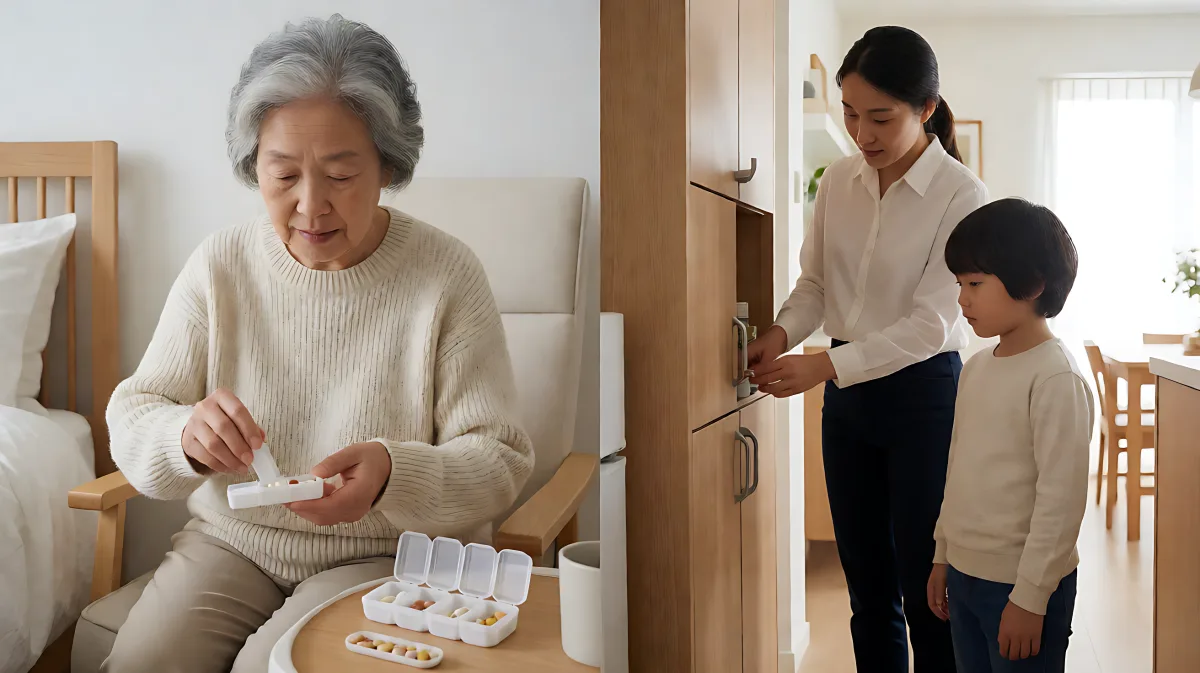
From safe storage for children to managing complex prescriptions for seniors, this guide covers the essential steps to prevent adverse drug events and ensure medication safety in 2026.
Medication safety is about using medicines correctly to prevent harm, which means following labels, monitoring interactions, and storing drugs securely. Adverse drug events, or ADEs, remain a significant public health issue, causing over 1.5 million emergency department visits in the United States each year. By adopting disciplined habits at home and trusting verified clinical guidelines, you can drastically reduce the risk of allergic reactions, overmedication, and prescription errors.
Why are adverse drug events a growing concern?
The rise in adverse drug events is driven by several converging factors. The development of new therapies and the discovery of new uses for older medicines expand the complexity of daily health routines. Additionally, an aging population relies heavily on chronic disease management, leading to increased polypharmacy. The World Health Organization and the Centers for Disease Control and Prevention have highlighted that these preventable incidents not only threaten individual health but also strain hospital resources nationwide.
What are the specific risks for older adults?
Older adults face heightened vulnerability due to physiological changes. As the liver and kidneys slow down, the body’s ability to metabolize drugs can decrease by up to 30% in individuals over 75. This slowdown causes medications to accumulate, increasing the likelihood of side effects. Polypharmacy, defined as the use of five or more medications, is now common; data suggests that approximately 40% of adults aged 65 and older were taking five or more prescription medications in recent years. This high number of drugs significantly raises the chance of dangerous drug-drug interactions. If a person takes two medications, the risk of an adverse reaction is roughly 13%, but this jumps to 82% when seven or more drugs are involved.
How can you prevent medication errors at home?
You can reduce risks by implementing strict home-based protocols. For adults, maintaining a comprehensive list of all medicines, vitamins, and supplements is essential. Share this list with your doctor and pharmacist to identify potential interactions. Use tools like timer apps to ensure you take medicines at the correct times, and turn on a light when reading labels to avoid misreading instructions. For children, the focus shifts to storage and measurement. Always use the dosing device that comes with the medicine, such as an oral syringe or dosing cup, rather than household spoons. Keep medicines in locked cabinets that are out of reach and sight of young children, and teach them that medicine is only to be taken with an adult’s permission.
What role does evidence play in clinical safety?
Healthcare providers rely on evidence-based practice to ensure safe drug selection. This involves using the highest levels of scientific evidence, such as randomized controlled trials, to guide treatment decisions. Nurses and doctors must stay updated on black box warnings from the Food and Drug Administration and understand the metabolic pathways of the drugs they prescribe. In 2026, the emphasis is on integrating patient preferences with professional experience and scientific data. This approach helps prevent errors that stem from outdated information or reliance on anecdotal evidence.
How does the healthcare system monitor these risks?
Organizations like the CDC monitor adverse drug events through national data collection and partnerships. They focus on high-risk groups and specific medications, such as anticoagulants, opioids, and diabetes drugs, which frequently lead to emergency visits. The Agency for Healthcare Research and Quality also supports initiatives to identify and rescue patients from medication mishaps, particularly in inpatient settings where preventable errors can lead to serious harm.
What steps should caregivers take?
Caregivers for seniors should act as a second pair of eyes. Review medication lists regularly and watch for signs of adverse reactions, such as unusual lethargy or confusion. If you notice a change in your loved one's health, consult a pharmacist or doctor immediately. Ensure that all healthcare providers are aware of the full medication history to avoid duplicate prescriptions, a common error that can lead to toxicity.
FAQ
What is polypharmacy and why is it dangerous?
Polypharmacy is the use of multiple prescription medications, typically five or more. It is dangerous because the increased number of drugs raises the risk of side effects and interactions, particularly in older adults whose bodies process medications more slowly.
How should I store medication for my child?
Store all medicines in a locked cabinet that is high up and out of a child's reach. Always keep safety caps locked and return bottles to their original location immediately after use to prevent accidental ingestion.
What should I do if I miss a dose?
Follow the instructions on the label or call your pharmacist. Do not double up on a dose unless specifically instructed by a healthcare professional, as this can lead to toxicity.
Can I use a household spoon to dose liquid medicine?
No. Household spoons vary in size and do not provide accurate measurements. Always use the dosing cup or oral syringe provided with the medication to ensure the correct amount is administered.