Arthritis-Friendly Meal Prep: Tools & Techniques
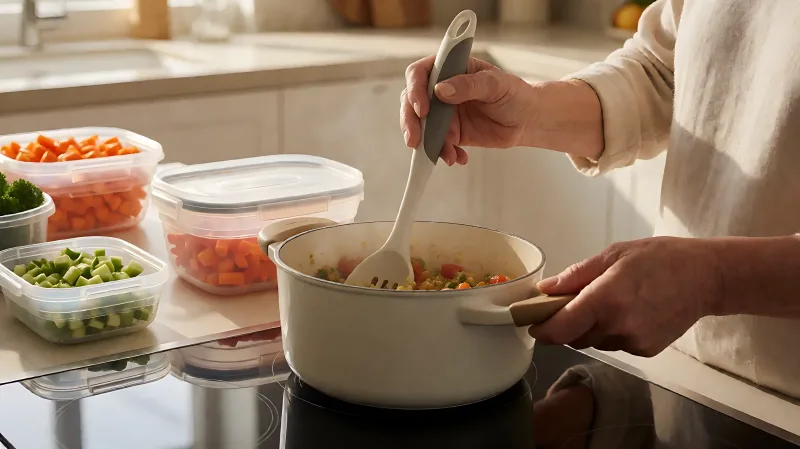
Cooking with arthritis doesn't have to hurt. Learn how to adapt your meal prep routine with joint-friendly tools, anti-inflammatory ingredients, and simple techniques that save energy and reduce pain.
Preparing meals with arthritis in your hands can be challenging due to pain, stiffness, and reduced grip strength. By using adaptive tools, planning ahead, and choosing anti-inflammatory foods, you can make cooking manageable and even enjoyable again. The key is reducing physical strain while maintaining nutritional quality to support joint health.
How Can You Plan Meals to Save Energy?
Planning ahead reduces the decision fatigue and physical effort required during cooking. According to advice from The Arthritis Society of Australia, batch cooking on better days allows you to store multiple meals for the week. This strategy involves preparing large portions of soups, stews, or casseroles and dividing them into individual containers. When you have lower energy days, you simply reheat these prepared meals without needing to chop or stir. Creating a detailed grocery list also minimizes unnecessary trips to the store, preserving your strength. Consider stocking up on frozen fruits, vegetables, and low-sodium canned legumes, which require no chopping and are readily available when you are unable to cook from scratch.
What Kitchen Tools Make Cooking Easier?
The right equipment can significantly reduce the strain on your fingers and wrists. Occupational therapists recommend replacing standard utensils with ergonomic alternatives. Look for tools with padded, wide, or non-slip handles, such as those from brands designed specifically for joint mobility. Electric gadgets like food processors, blenders, and stand mixers eliminate the need for manual chopping and stirring. For opening jars and cans, consider electric openers or under-cabinet mounted tools that use mechanical leverage rather than grip strength. A simple hack suggested by experts is using a ring on your thumb to pop open plastic containers, or wrapping pipe insulation around thin utensil handles to increase their diameter for a more comfortable hold.
Which Recipes Are Best for Stiff Hands?
Choose recipes that minimize repetitive movements and complex techniques. One-pot meals, such as stir-fries or pasta dishes, reduce the number of utensils and bowls needed. Sheet pan dinners are also effective because you can roast vegetables and proteins with minimal hands-on time. Slow cookers and Instant Pots allow you to add ingredients and let the appliance do the work, which is ideal for days when standing is difficult. Buying pre-chopped vegetables, shredded cheese, and pre-cooked proteins like chicken or shrimp saves significant effort. These shortcuts are not only convenient but also ensure that your meals remain nutritious without the physical burden of raw ingredient preparation.
What Anti-Inflammatory Foods Should You Include?
Diet plays a crucial role in managing arthritis symptoms. The Arthritis Foundation highlights the benefits of the Mediterranean diet, which is rich in whole foods and low in processed items. Aim to eat two servings of fatty fish, such as salmon or mackerel, each week to increase your intake of omega-3 fatty acids, which help reduce joint swelling and morning stiffness. Include colorful fruits and vegetables, like berries, spinach, and kale, which are high in antioxidants that fight inflammation. Olive oil is another powerful addition; it contains oleocanthal, a compound with similar anti-inflammatory properties to nonsteroidal anti-inflammatory drugs. Swapping refined grains for whole grains like quinoa and brown rice can also help, as the fiber may lower C-reactive protein, a marker of inflammation in the body.
What Joint Protection Techniques Work in the Kitchen?
Changing how you physically interact with your kitchen can prevent further joint strain. Always use two hands to hold heavier items like pots and mixing bowls to distribute the weight evenly. If standing is painful, sit on a high stool at your counter or work at a dining table. A useful technique is to slide heavy pots across the counter using a hot pad instead of lifting and carrying them. When draining pasta or vegetables, do not dump the hot water down the sink; instead, use a slotted spoon to scoop the food out into a colander, or place the mixing bowl in the sink for a more comfortable height while stirring. Taking frequent breaks prevents overexertion and allows your joints to rest between tasks.
How Can You Organize Your Kitchen for Accessibility?
Environmental adjustments can make daily tasks less stressful. Keep frequently used items, such as the blender, cutting board, and spices, on the countertop to avoid reaching into high cabinets or bending down. Use lightweight storage containers for leftovers to make them easier to lift and open. Heavier items that are used less often should be stored in lower cabinets. A lazy Susan is helpful for crowded spice shelves, allowing you to rotate items into reach without straining your shoulders. If you are using a microwave, place it on a stable countertop surface so you do not have to reach up or down to load food, which can be particularly difficult during pain flares.
Frequently Asked Questions
Are splints helpful for cooking?
Yes, thumb splints can help maintain good joint position and reduce pain during grip tasks. Many people find that wearing a splint allows them to grasp utensils with less discomfort. It is advisable to consult with an occupational therapist to determine the right type of splint, such as a CMC or thumb spica splint, that fits well and supports your hand during kitchen activities.
Should I use pre-prepared meals if I have arthritis?
Absolutely. Using pre-cooked proteins and frozen or pre-cut vegetables is a valid strategy to conserve energy. These options ensure you still receive adequate nutrients without the physical strain of raw ingredient prep. It is perfectly okay to use these convenience foods on days when your symptoms are severe or when you feel fatigued.
How much fish should I eat to reduce inflammation?
Health authorities generally recommend three to four ounces of fish twice a week. For arthritis management, experts suggest that higher consumption of omega-3-rich fish, such as salmon, sardines, and herring, can be beneficial. If you do not eat fish, a supplement of 600 to 1,000 mg of fish oil daily may help ease joint stiffness and pain.
Can I continue to enjoy complex recipes?
You can, but you should adjust your approach. Use electric tools to handle the repetitive chopping and stirring. Break the recipe down into smaller steps and take rests between them. Involve family or friends to help with specific tasks, such as chopping or fetching ingredients, to make the process manageable and less isolating.