Meal Planning for Renters: Space-Saving Nutrition Tips
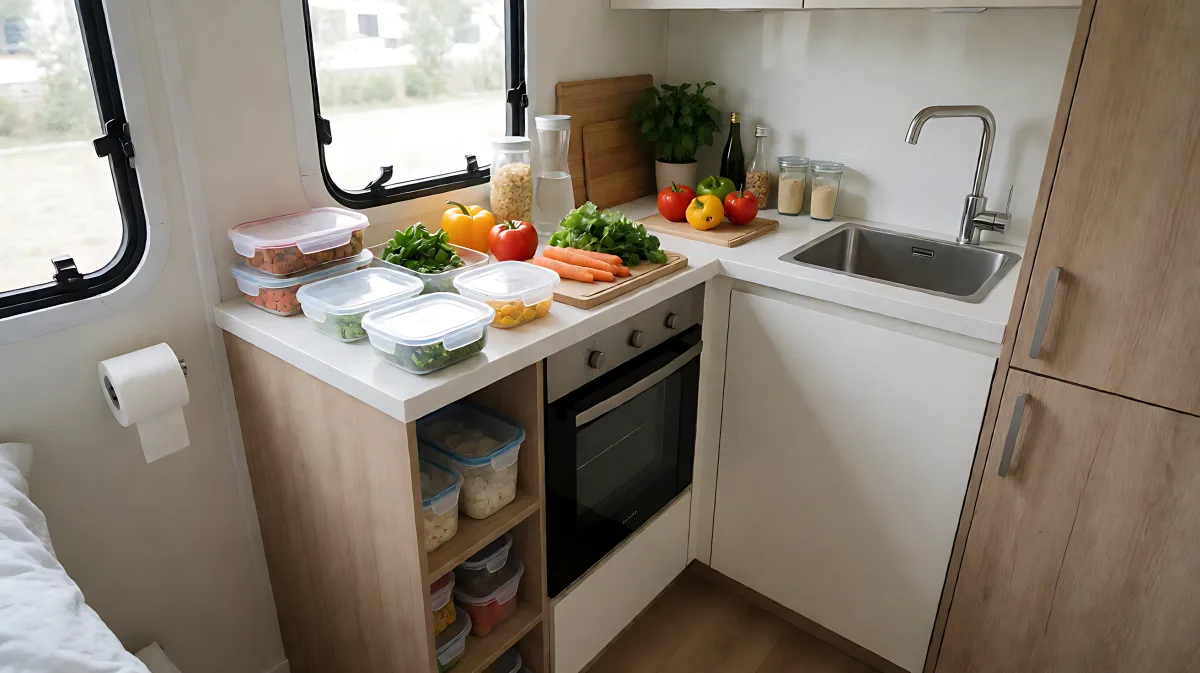
Living in a rental home with a small kitchen doesn't mean compromising on nutrition. Discover practical strategies to plan efficient, nutritious meals that fit your space and budget.
Renters with limited kitchen space can maintain optimal nutrition by adopting batch-prepping methods, utilizing vertical storage, and selecting low-waste ingredients. By planning meals around shared equipment and using digital tools to automate grocery lists, you can reduce food waste and save time without needing a large culinary setup.
Why Renters Face Unique Meal Planning Challenges?
Unlike homeowners who might renovate their kitchens or expand outdoor cooking spaces, renters are often constrained by fixed infrastructure. You cannot add dedicated storage units or high-end appliances. According to the US Census Bureau, many rental units feature compact kitchens designed for efficiency rather than extensive cooking. This physical limitation means that traditional meal planning advice often fails to account for the reality of tight counters and small refrigerators. The goal is not to change the space, but to change the workflow to fit it.
How Does Limited Storage Impact Food Waste?
Small fridges and pantry spaces are the primary drivers of food waste in rental homes. When you cannot store large quantities of produce, ingredients spoil before they are used. Digital meal planners address this by integrating a "virtual pantry" feature. For example, platforms like Eat This Much allow users to input what they already own. The algorithm then prioritizes recipes that use these items, ensuring that perishables are cooked before they expire. This technique is crucial for renters who rely on smaller, shared, or under-sink storage options.
What Are the Best Space-Saving Meal Strategies?
Efficiency is the cornerstone of renting. You do not need to cook from scratch for every meal. Instead, focus on high-nutrient, low-prep options that minimize the number of dishes and cookware required. One effective method is the "one-pot" strategy, where proteins, grains, and vegetables are cooked together in a single vessel. This reduces cleanup and utilizes small cooktops effectively. Another approach is the use of shelf-stable, nutritionally complete meal replacements. Companies like Huel offer complete nutrition powders and ready-to-drink meals that require only water or a blender, eliminating the need for complex ingredient storage.
How Can You Automate Your Grocery Shopping?
Manual grocery lists in small homes are often forgotten or lead to impulse buys that clutter your limited counter space. Using an automated meal planner creates a direct link between your weekly menu and your shopping cart. Tools integrated with services like Instacart or Amazon Fresh allow you to review your meals for the week, generate a precise list, and have it delivered. This removes the cognitive load of remembering what is missing and ensures you only buy exactly what your compact kitchen can handle.
How Do Personalized Nutrition Goals Fit Into a Rental? A flexible diet is essential when your home is not under your control. Many renters follow specific dietary frameworks like vegan, paleo, or Mediterranean diets to maintain health without needing specific equipment. A good planning tool allows you to filter recipes by these styles. Furthermore, it enables you to set macro targets for protein, fat, and carbs. This is particularly useful for those in shared living situations where one person manages the nutrition of a household. By setting specific calorie and macro goals, you ensure that the meals you prepare are not just easy, but actually support your health objectives.What Role Do Digital Tools Play in Reducing Anxiety?
One of the biggest stressors for renters is the daily decision of "what do I eat?" In a small home, this decision can feel overwhelming when counter space is limited. Automatic meal planners remove this anxiety by making the decisions for you in advance. You choose your preferences and budget once, and the system generates a schedule. This mental offloading is significant. Studies on decision fatigue suggest that pre-planning meals improves adherence to healthy diets. By removing the daily choice, you are more likely to stick to a nutritional routine that supports your energy levels and long-term health.
FAQ
Do I need expensive equipment for effective meal planning?
No, you do not. Most efficient meal plans rely on basic tools like a pot, a pan, and a cutting board. The focus is on ingredients and timing, not on having a high-end kitchen. Many recipes can be adapted for small spaces without losing nutritional value.
How much space do I need to store prepped meals?
You can use a small fridge drawer or a shelf-stable pantry for many items. Using shelf-stable options like protein shakes or dry goods reduces the need for constant refrigeration. This is ideal for renters with small cooling units.
Can meal planning help with a tight rental budget?
Yes. By planning in advance and using automated grocery lists, you avoid impulse buying and over-purchasing. This often leads to lower total food costs. Additionally, using shelf-stable, nutrient-dense foods can be more cost-effective than frequent trips to fresh grocery stores.