Exertional Dyspnea Rehabilitation Strategies and Exercises
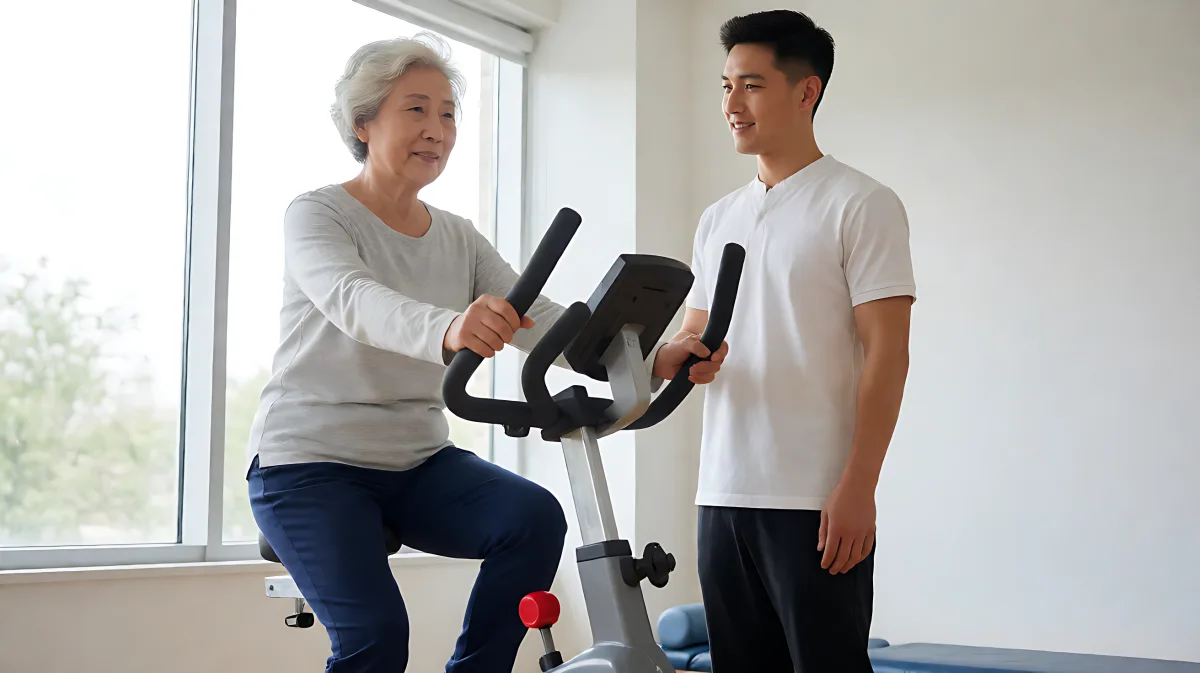
Exertional breathlessness significantly impacts daily life for those with chronic respiratory conditions. Structured rehabilitation programs using specific exercise protocols can reduce symptoms and improve functional capacity.
Structured pulmonary rehabilitation is the primary clinical intervention for managing exertional dyspnea, utilizing specific exercise protocols to reduce breathlessness and restore functional independence for individuals with chronic respiratory diseases. By combining aerobic training, resistance work, and educational support, these programs target the physical and psychological components of breathlessness, leading to measurable improvements in walking distance and quality of life.
Why Does Exertional Breathlessness Occur?
Exertional dyspnea, or breathlessness upon activity, is the most common symptom reported by patients with chronic respiratory conditions. It arises from a complex interaction between the central nervous system and peripheral receptors in the airways, lungs, and thorax. While the underlying physiological mechanism is consistent, the way patients describe their symptoms varies widely based on individual experience, culture, and psychological factors. This subjective nature makes objective measurement difficult, yet it is critical for clinicians to quantify this symptom to track disability levels and assess treatment efficacy. In conditions like interstitial lung disease (ILD), breathlessness is often accompanied by significant exercise limitation and a decline in health-related quality of life, making targeted rehabilitation essential.
How Do Clinicians Measure Symptom Severity?
Accurate assessment allows for tailored intervention plans. Clinicians often use clinical scales such as the Modified Medical Research Council (MRC) scale or the Borg scale to interview patients and gauge symptom intensity. These tools help distinguish between chronic breathlessness and exertional symptoms. For example, the 6-minute walk test is a reliable tool for assessing exercise capacity, particularly in patients with interstitial lung disease. Research indicates that a walk distance of less than 250 meters can be an independent predictor of mortality in these populations, highlighting the importance of regular monitoring.
What Does a Rehabilitation Program Include?
Pulmonary rehabilitation is well-established for chronic obstructive pulmonary disease (COPD) and shows comparable benefits for other interstitial lung diseases. A typical program includes aerobic exercise, such as walking, cycling, or stepping, often performed two to three times a week over an eight to twelve-week period. Some regimens also incorporate resistance training to address muscle weakness. The goal is not just to increase endurance but to improve the patient's perception of breathlessness during daily activities. Studies have shown that even modest improvements in exercise capacity can represent a clinically significant difference for the patient, leading to better participation in social and domestic tasks.
Why Are Exercise Protocols Critical?
Not all exercises impact breathlessness equally. A study involving 24 subjects compared four different maximal training exercises to understand how dyspnea evolves over time. The protocols included an incremental test to find the ventilatory anaerobic threshold, a constant power exercise at 80% of peak work rate, a bi-level square wave endurance exercise test, and the 6-minute walk test. The results were revealing: during the constant power exercise, breathlessness increased progressively until exhaustion. In contrast, the bi-level test, which alternates high-intensity bouts with rest, allowed patients to sustain exercise longer with lower overall perceived breathlessness. This suggests that interval-based training may be more tolerable and effective for patients who struggle with continuous high-effort exertion.
How Does Long COVID Complicate Recovery?
In recent years, long COVID has emerged as a significant cause of new-onset exertional breathlessness, particularly in older adults. The US Centers for Disease Control and Prevention estimate that about 4% of those with long COVID are older than 65 years, though this figure may undercount the actual prevalence because symptoms are often mistaken for normal aging. Experts at institutions like the Mount Sinai Health System note that older patients face challenges in receiving a proper diagnosis, as their breathlessness and fatigue are frequently dismissed as age-related decline. This phenomenon, sometimes called medical gaslighting, can delay appropriate rehabilitation care. Since long COVID can accelerate biological aging and affect multiple organ systems, including the lungs and cardiovascular system, a multidisciplinary rehabilitation approach is crucial. It addresses not only the respiratory symptoms but also the associated cognitive and physical deconditioning.
What Role Do Psychosocial Factors Play?
Breathlessness is closely linked to anxiety and depression. In interstitial lung disease, mood disorders are common and can worsen the perception of symptom severity. Rehabilitation programs increasingly include psychosocial support and screening tools, such as the Hospital Anxiety and Depression Scale, to identify these comorbidities. Addressing mental health alongside physical training leads to better outcomes. Education is also a key component, helping patients understand their condition and how to manage their breathing techniques during activity. This holistic approach ensures that patients are not just exercising but learning how to live more comfortably with their lung health.
What Should You Expect From Results?
Rehabilitation is a journey that requires consistency. Participants typically undergo baseline assessments including cardiopulmonary exercise testing to determine safe exercise intensities. After a standard program, improvements in walking distance and reduced breathlessness are often observed within a few months. For those with interstitial lung disease, evidence suggests that benefits can persist six to twelve months post-intervention. However, because lung diseases like idiopathic pulmonary fibrosis are progressive, ongoing maintenance of physical activity is vital. The specific regimen should be individualized, taking into account the patient's baseline fitness, comorbidities, and personal goals. Whether dealing with chronic obstructive pulmonary disease, interstitial lung disease, or post-infectious lung impairment, structured exercise remains the cornerstone of managing exertional dyspnea.
Frequently Asked Questions
How long does a pulmonary rehabilitation program last?
Most standard outpatient programs run for 8 to 12 weeks, with sessions held two to three times per week. Some centers offer extended courses or home-based maintenance plans to ensure long-term adherence and sustain the benefits of initial training.
Is interval training better than steady-state exercise for breathlessness?
For many patients, interval training, which alternates moderate-intensity activity with rest periods, is more tolerable than continuous high-intensity exercise. It allows for greater total work volume while managing peak breathlessness levels, making it an effective strategy for those with significant exertional limitations.
Can rehabilitation help with long COVID symptoms?
Yes. Many patients with long COVID experience exertional intolerance and breathlessness. Structured rehabilitation, often led by respiratory physicians and physiotherapists, can help improve functional capacity, manage comorbidities, and address the deconditioning that results from prolonged illness and inactivity.
What is the 6-minute walk test used for?
The 6-minute walk test measures the distance a patient can walk in six minutes. It is a simple, non-invasive tool used to assess exercise capacity and track changes over time. A shorter distance may indicate greater disability and, in specific lung diseases, can be a marker for worse prognosis.
Are there specific exercises for interstitial lung disease?
While there is no single "interstitial" exercise, standard aerobic and resistance training protocols are effective. However, intensity must be carefully monitored because these patients often have lower oxygen saturation levels during activity. Individualized prescriptions based on cardiopulmonary exercise testing are recommended to ensure safety and efficacy.