Managing Dry Mouth in Seniors: 7 Actionable Fixes
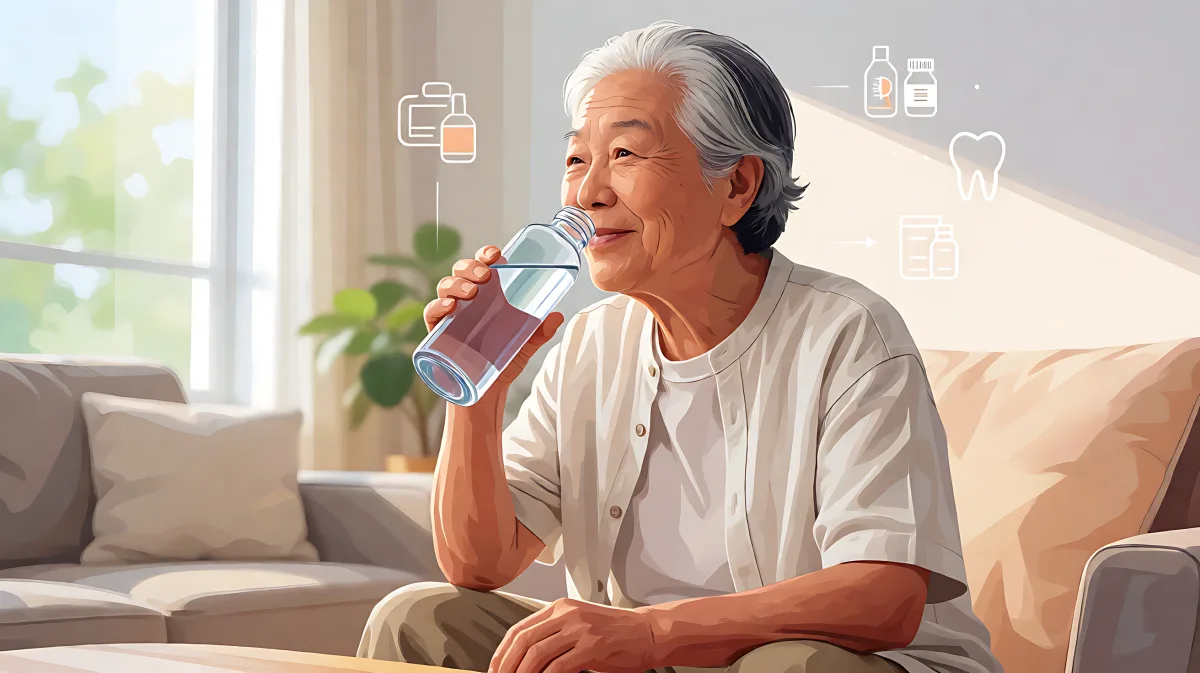
Dry mouth is not a normal part of aging. From medication reviews to targeted hydration and fluoride routines, these strategies help seniors restore saliva flow and protect their teeth.
More than half of seniors over 65 experience chronic dry mouth, a condition caused primarily by medication side effects and dehydration rather than natural aging. This lack of saliva increases the risk of tooth decay by up to four times and makes eating and speaking difficult. Implementing targeted hydration strategies and reviewing prescribed drugs can significantly improve comfort and oral health.
Why Do Seniors Develop Dry Mouth?
While it is often mistaken for an unavoidable sign of aging, persistent dry mouth in older adults is frequently triggered by specific medical causes and external factors. A study from the Journal of Gerontology indicated that nearly 40 percent of adults over the age of 75 suffer from significant xerostomia. The condition is rarely a natural decline in function but is instead a response to the body’s internal environment.
- Medication Side Effects: Many drugs affect the salivary glands directly, altering their ability to produce fluid.
- Dehydration: The sense of thirst diminishes with age, leading many seniors to drink too little water.
- Medical Conditions: Issues like diabetes or Sjögren’s syndrome can impact the glands responsible for saliva production.
Which Common Medications Cause This Condition?
Medication is the most significant contributor to dry mouth in the senior population. It is estimated that over 90 percent of cases can be traced back to the drugs a patient is currently taking. A person managing five or more prescriptions is at a substantially higher risk for this side effect. It is critical to identify the specific class of drugs involved to understand how they interfere with oral hydration.
How Do Anticholinergics and Blood Pressure Drugs Affect Saliva?
Anticholinergic medications, which include certain antihistamines and bladder control drugs like oxybutynin, block the signals that tell salivary glands to produce fluid. These are often the strongest offenders. Similarly, blood pressure medications such as diuretics and beta-blockers can reduce the body’s total fluid levels or alter how saliva is composed. Older tricyclic antidepressants are also highly effective at suppressing saliva flow compared to newer options.
| Medication Category | Common Examples | Impact Level |
|---|---|---|
| Anticholinergics | Diphenhydramine, Oxybutynin | High |
| Diuretics | Hydrochlorothiazide | Moderate-High |
| Tricyclic Antidepressants | Amitriptyline | High |
| Opioid Pain Relief | Morphine, Oxycodone | Moderate-High |
What Steps Can You Take to Manage Symptoms at Home?
Addressing dry mouth requires a multi-faceted approach that combines behavioral changes with professional medical guidance. The goal is to keep the oral cavity moist and protected from bacterial overgrowth. Small, consistent habits yield better results than sporadic large efforts.
- Review Your Prescriptions: Always consult with your physician before stopping a medication. Ask if there is a non-drying alternative available in the same therapeutic class.
- Hydrate Strategically: Sip water frequently throughout the day rather than drinking large amounts at once. Use a reminder on your phone to track intake.
- Stimulate Saliva Naturally: Chew sugar-free gum or use xylitol lozenges to mechanically stimulate the glands after meals.
How Does Professional Dental Care Protect Your Teeth?
Because saliva contains natural antibacterial properties, its absence leaves teeth vulnerable. To counteract this risk, a more aggressive preventive dental routine is necessary. Standard brushing is often insufficient for seniors experiencing severe dry mouth.
Your dentist may recommend the use of prescription-strength fluoride gels that are applied nightly using a custom tray. This high-concentration treatment can significantly reduce new cavities in high-risk patients. Additionally, the American Dental Association suggests that seniors with this condition may benefit from seeing a professional every three to four months instead of the standard six-month interval. This allows for the application of fluoride varnishes and early detection of fungal infections like oral thrush, which are more common in dehydrated mouths.
When Should You Seek Immediate Medical Advice?
While dry mouth is usually manageable, certain symptoms indicate that the underlying cause requires a prompt medical evaluation. If you notice a rapid increase in tooth sensitivity or white patches on the tongue, it is time to schedule an appointment. Difficulty swallowing or persistent mouth sores that do not heal with the use of over-the-counter saliva substitutes should also be addressed by a healthcare provider to prevent further complications.
Frequently Asked Questions
Is dry mouth a normal part of aging?
No, it is not. While the salivary glands do shrink slightly with age, persistent dryness is almost always a medical condition. It is usually caused by medications, dehydration, or underlying health issues rather than the simple process of getting older.
Can I stop my medication if it makes my mouth dry?
You should never stop a prescribed medication without speaking to your doctor first. Abruptly stopping drugs can be dangerous. However, your physician can review your list to see if there is a similar medication that is less likely to cause this side effect.
What are the best saliva substitutes to buy?
Artificial saliva products such as Biotène, Mouth Kote, or generic xylitol lozenges are effective for temporary relief. Rinses and sprays are portable and easy to use throughout the day, but they do not replace the long-term benefits of hydration and medication adjustments.
Does dry mouth affect digestion?
Yes, it can. Saliva is the first step in the digestive process. Without it, food does not break down properly in the mouth, which can make swallowing difficult and may lead to nutritional issues over time if the condition is severe and left untreated.