Managing Arthritis Pain Without Medication
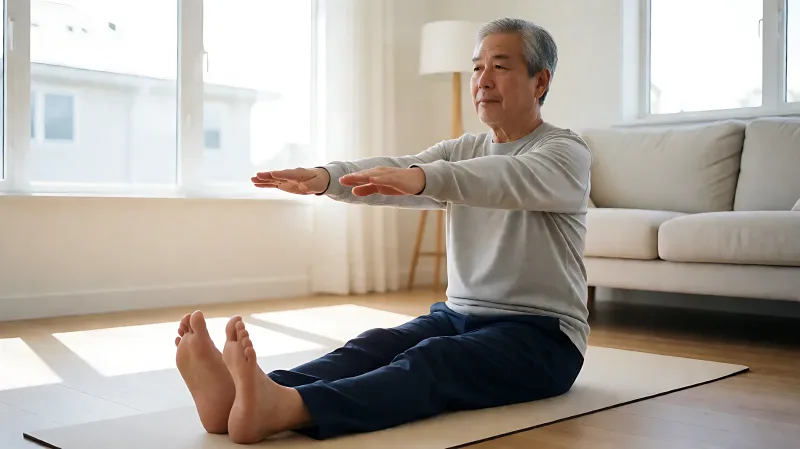
Looking for ways to ease arthritis pain without relying on pills? Explore evidence-based strategies involving physical activity, weight management, and joint protection to improve quality of life.
The Centers for Disease Control and Prevention (CDC) advises that managing arthritis without medication involves a combination of physical activity, weight management, education, and joint protection. For older adults, integrating 150 minutes of moderate exercise weekly, maintaining a healthy weight, and using safe movement techniques can significantly reduce pain and improve function. These self-care strategies complement medical treatment and help maintain independence and quality of life.
For more information, see CDC resources on healthy aging from the CDC.
Why Non-Medication Management Works
Arthritis encompasses over 100 conditions, with osteoarthritis and rheumatoid arthritis being the most prevalent among older adults. While medication is often necessary for inflammatory forms, self-management remains a cornerstone of care. Research indicates that non-pharmacological interventions can delay physical limitations and reduce reliance on pain relievers. By addressing the mechanical and lifestyle factors that aggravate joint stress, individuals can take control of their symptoms.
The goal of self-management is not just pain relief but also functional improvement. This approach helps manage co-occurring conditions such as heart disease, diabetes, and obesity, which are common in older populations. A holistic strategy ensures that joints remain stable and mobile, allowing people to continue engaging in activities they love.
How Can Exercise Help Joint Pain?
Physical activity is one of the most effective tools for managing arthritis symptoms. The CDC recommends at least 150 minutes of moderate-intensity aerobic activity each week for adults, including those with arthritis. This amount can be broken down into manageable chunks, such as 30 minutes of fast walking five days a week.
- Low-Impact Aerobics: Walking, swimming, and cycling are ideal because they minimize stress on joints while improving cardiovascular health.
- Strength Training: Building muscle around the joints provides better support and stability. Light resistance exercises can be done with household items if weights are unavailable.
- Flexibility and Balance: Stretching and balance exercises, such as Tai Chi or yoga, help prevent falls and reduce stiffness.
It is crucial to start slowly and increase intensity gradually. The CDC’s “Walk With Ease” program is a free resource that guides participants in increasing physical activity safely. Even small amounts of movement offer health benefits if full guidelines are not met initially.
What Role Does Diet Play in Arthritis?
Maintaining a healthy weight is vital for reducing joint pressure, particularly in weight-bearing areas like the knees and hips. The CDC notes that even a modest weight loss can significantly improve arthritis-related pain and disability. For a person weighing 250 pounds, losing just 5% (12.5 pounds) can make a noticeable difference in joint stress.
A diet rich in anti-inflammatory foods can support overall joint health. While there is no single “arthritis cure” diet, focusing on whole foods is beneficial.
- Fruits and Vegetables: Rich in antioxidants that may help combat inflammation.
- Fatty Fish: Sources of omega-3 fatty acids, such as salmon and mackerel, which have anti-inflammatory properties.
- Whole Grains: Provide sustained energy and fiber, helping to maintain a healthy weight.
- Limit Processed Foods: High levels of sugar and saturated fats can exacerbate inflammatory responses.
Older adults should consult with a healthcare provider or registered dietitian to create a personalized nutrition plan that addresses specific dietary needs and potential nutrient deficiencies.
How to Protect Your Joints Daily
Preventing injury is key to slowing the progression of osteoarthritis. Repetitive motions and high-impact activities can damage cartilage over time. Older adults should be mindful of how they perform daily tasks.
- Ergonomics at Work and Home: Use supportive chairs and keep heavy items close to the body when lifting.
- Fall Prevention: Remove loose rugs and install grab bars in bathrooms to prevent falls that could injure joints.
- Proper Footwear: Wear shoes with good arch support and cushioning to absorb impact during walking.
Learning proper body mechanics can reduce the strain on vulnerable joints. Self-management education workshops, often available through community health centers, teach these skills in a group setting. These workshops typically cost between $25 and $35 and cover topics like pain management, exercise safety, and confidence building.
When Should You See a Doctor?
Self-care is a complement to, not a replacement for, professional medical advice. Regular check-ups allow healthcare providers to monitor the progression of arthritis and adjust treatment plans if necessary. Early detection of inflammatory arthritis, such as rheumatoid arthritis, is critical for preventing permanent joint damage.
If symptoms worsen or do not improve with self-management strategies, a provider can evaluate the need for medication or physical therapy. They can also screen for other chronic conditions that may be influenced by arthritis or shared risk factors.
Frequently Asked Questions
Is it safe to exercise with severe arthritis pain?
Yes, but it should be done with caution. The CDC advises that even small amounts of physical activity provide benefits. It is important to avoid high-impact movements and consult a physical therapist or doctor to design a safe routine tailored to your specific limitations.
What is the best type of arthritis diet for older adults?
There is no single diet for all types of arthritis, but an anti-inflammatory diet is generally recommended. Focus on the Mediterranean diet pattern, which includes plenty of vegetables, fruits, whole grains, and healthy fats. Weight loss is a priority if you are overweight, as reducing load on joints alleviates pain.
How much weight loss helps arthritis pain?
According to the CDC, a 5% weight loss can help reduce arthritis-related pain and disability. For a 250-pound individual, this equates to losing 12.5 pounds. This reduction decreases the mechanical stress on knees and hips, making movement easier.
Can I manage arthritis without any medication?
For many people with osteoarthritis, self-management techniques like exercise and weight control can effectively manage symptoms without daily medication. However, for inflammatory types like rheumatoid arthritis, medication is often necessary to control the underlying disease process and prevent joint destruction. Always follow your healthcare provider’s advice.