Long-Term Nutrition Strategies for Homebound Adults
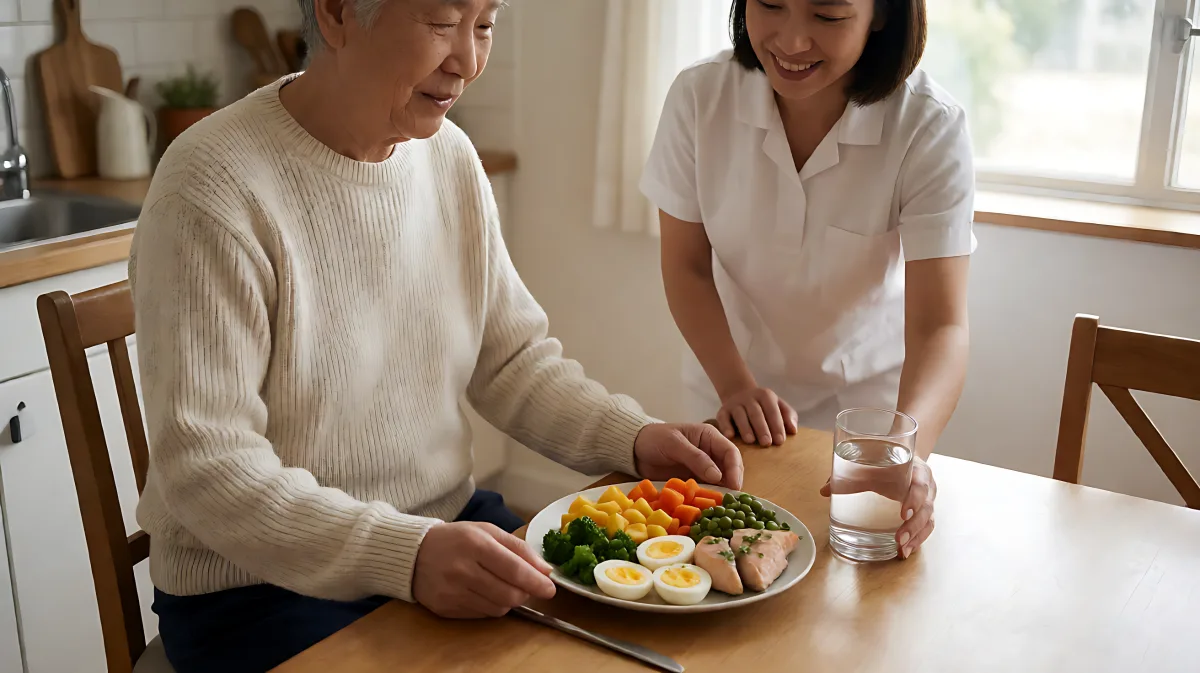
Maintaining adequate nutrition for homebound individuals requires targeted strategies for protein, hydration, and meal accessibility. Learn practical steps to support health and independence.
Supporting long-term nutrition for homebound individuals requires intentional daily habits that address specific physiological changes in aging. Key priorities include increasing protein intake to combat muscle loss, managing hydration carefully to prevent confusion and falls, and adapting meal preparation to physical limitations. By focusing on nutrient-dense foods and consistent routines, caregivers can significantly improve health outcomes and independence.
Why Does Nutrition Become More Critical at Home?
Living independently at home without easy access to grocery stores or communal dining creates a unique nutritional vulnerability. Many families assume that a homebound person's appetite decreases simply due to age, but in fact, poor intake is often caused by physical barriers, medication side effects, and social isolation. When an individual cannot easily reach the store or prepare complex meals, nutritional gaps appear quickly, leading to weight loss and increased hospitalization risks.
Research published in Geriatric Innovation highlights that individuals in isolated or confined environments often face variable energy intake, while specific nutrient deficiencies like vitamin D are common. This is particularly true for those with limited sunlight exposure. In the US, the Administration for Community Living emphasizes that maintaining a healthy menu for seniors is a cornerstone of the nutrition programs funded under the Older Americans Act.
What Are the Key Nutrients Seniors Need Most?
As metabolism slows, the body requires fewer calories but the same, or sometimes increased, amounts of essential nutrients. This shift means that empty calories from sweets or refined grains become less valuable compared to nutrient-dense options.
- Protein: Critical for maintaining muscle mass. The PROT-AGE Study Group recommends 1.0 to 1.2 grams of protein per kilogram of body weight daily for healthy older adults. Those with chronic illness may need up to 1.5 grams per kilogram.
- Calcium and Vitamin D: Needed to prevent bone fractures. Since homebound individuals have limited sun exposure, vitamin D supplementation is often necessary alongside dietary sources like fortified milk and fatty fish.
- Fiber: Helps prevent constipation, a common issue for those with limited mobility. Aiming for 21 to 30 grams daily from whole grains, fruits, and vegetables is a standard target.
How Should You Structure Daily Meals?
Traditional three large meals are often overwhelming for homebound seniors who suffer from early satiety or reduced appetite. Instead, shifting to smaller, frequent meals ensures that nutritional needs are met without causing discomfort.
What Is the "Fortify, Don't Enlarge" Strategy?
Rather than adding more volume to food, which may be difficult to consume, caregivers should increase the nutrient density of each bite. This approach is recommended by nutrition experts and resource centers focusing on aging populations.
- Add milk powder to soups or oatmeal to boost protein and calcium.
- Use Greek yogurt instead of regular sour cream to increase protein.
- Blend beans into chili or casseroles to add fiber and protein without changing texture significantly.
How Can Caregivers Manage Hydration Effectively?
Dehydration is a silent risk for many seniors. The US prevalence of dehydration in older adults is estimated at roughly 17 to 28 percent. Many individuals restrict fluids voluntarily to avoid the difficulty of nighttime bathroom trips, creating a dangerous loop where dehydration leads to confusion and increased fall risk.
To break this cycle, focus on making the bathroom trip safe rather than just forcing fluid intake. Install motion-sensor lights, use a bedside commode, and ensure non-slip footwear. Hydration goals should include six to eight cups of fluid daily, but this count includes tea, broth, and water-rich foods like cucumbers and watermelon.
What Are Common Mistakes in Homebound Meal Planning?
One major misconception is that frozen or shelf-stable foods are nutritionally inferior to fresh produce. In reality, frozen vegetables are often picked at peak ripeness and retain nutrients that fresh produce may lose during storage. For homebound individuals who cannot shop frequently, canned fish, freeze-dried fruits, and shelf-stable nuts are highly effective sources of omega-3 fatty acids, vitamins, and protein.
Another error is ignoring taste changes. As sense of smell and taste diminish, food can seem bland. Enhancing flavor with herbs, spices, and citrus can stimulate appetite without adding excessive sodium, which is a concern for heart health.
What Should Caregivers Check Weekly?
Consistent monitoring helps identify nutritional gaps before they lead to medical complications. Use this checklist to assess the well-being of a homebound individual:
- Weight and Fit: Are clothes or rings becoming loose? Track weight monthly to spot unintentional loss.
- Hydration Status: Check urine color; pale yellow is ideal, dark yellow or amber signals dehydration.
- Medication Interactions: Review side effects that might suppress appetite or affect digestion.
- Meal Variety: Ensure protein is included at every meal, not just dinner.
- Accessibility: Confirm that preferred foods are within easy reach and at a comfortable temperature.
When Should You Seek Professional Help?
If an individual loses weight unintentionally, or if meals are consistently left uneaten, it is time to consult a healthcare provider. The Mini Nutritional Assessment is a standardized screening tool used by clinicians to evaluate nutritional status in adults over 65. Requesting this assessment at the next medical appointment can uncover underlying issues such as swallowing difficulties or dental pain that prevent adequate eating.
FAQ
How much protein does an elderly person need daily?
For healthy older adults, the recommendation is 1.0 to 1.2 grams of protein per kilogram of body weight. This is higher than the general adult requirement to counteract age-related muscle loss, often called sarcopenia. Distributing this amount across multiple meals improves absorption.
Does drinking less water to avoid bathroom trips help with incontinence?
No, this strategy often backfires. Reducing fluid intake concentrates urine, which can lead to urinary tract infections and increased confusion. The goal is to make the act of getting to the bathroom safer and easier, rather than restricting fluid intake, which can cause dehydration.
Are frozen foods healthy for homebound seniors?
Yes. Frozen vegetables and fruits are highly nutritious and often more convenient than fresh produce, which requires cleaning and chopping. They do not spoil quickly, making them ideal for individuals who cannot shop every few days.
What are the signs of malnutrition in a homebound individual?
Watch for unintentional weight loss, loose-fitting clothing, skin that stays indented when pinched, new confusion in previously stable cognition, and food expiring in the refrigerator. These are signals that nutritional intake is insufficient to meet metabolic needs.