Learning Strategies for Hospital Beds: A Practical Guide
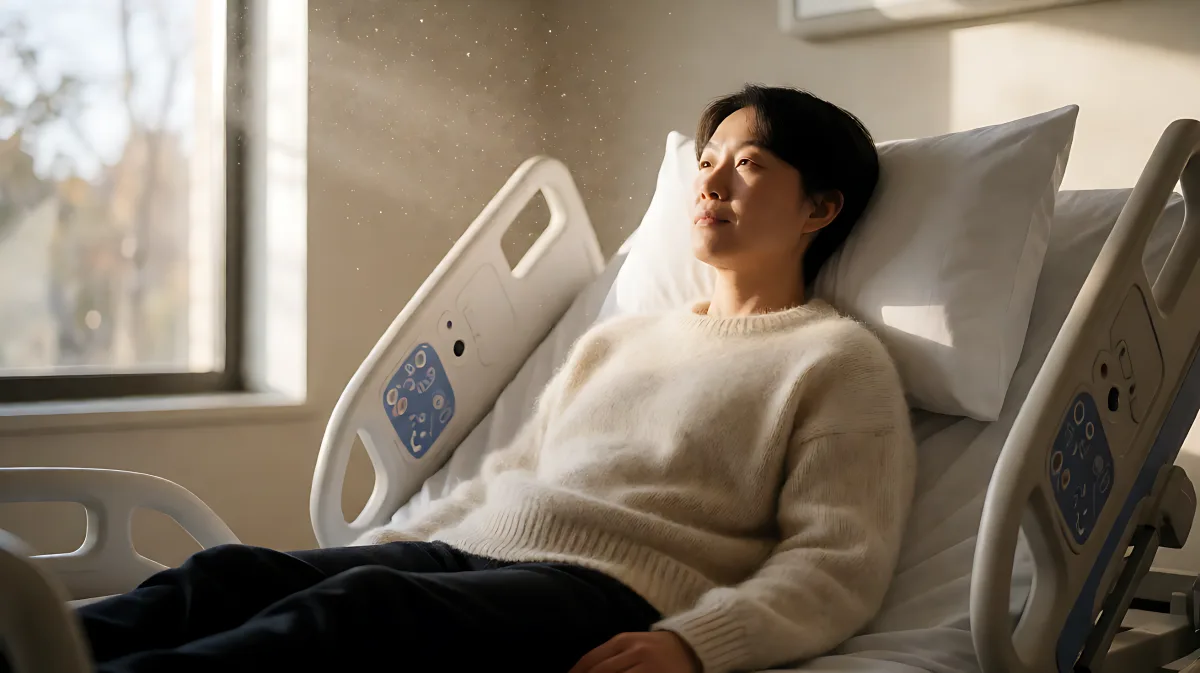
Recovering in a hospital can feel isolating and stagnant. This guide explores practical methods to keep your mind active, from mindfulness practices to context-based vocabulary study, ensuring you continue growing even when confined to a bed.
Lying in a hospital bed does not mean your mental growth must pause. You can maintain cognitive sharpness and personal development by using the stillness for deep mindfulness, engaging in context-based learning, and leveraging the unique vantage point of recuperation. By shifting focus from physical achievement to conscious presence and structured mental engagement, you can turn a period of vulnerability into a time of significant inner clarity and learning.
Why does the hospital environment change how we learn?
When the body is compromised, the mind often rebels against traditional productivity metrics. Trudy Goodman, a founder of InsightLA, shared her experience of near-death septic shock in Costa Rica. She found that conventional goals felt meaningless in the face of acute vulnerability. Instead, she adopted a practice of open-eyed meditation, observing her surroundings without attachment. This approach suggests that in a hospital setting, learning shifts from acquiring new facts to deepening awareness of what is already present. The constraints of the bed actually remove the distraction of movement, allowing for a unique form of stillness that can enhance introspection and emotional processing.
What is "fruit gazing" and how can it help with recovery?
In her account, Trudy Goodman described "fruit gazing," a technique inspired by orangutans who scan foliage for food. While in the hospital, she used this method as a daily meditation. It involved staring into space, allowing the mind to meander aimlessly without forcing focus. This practice was not about intense concentration but about peaceful surrender. It helped her manage pain and loneliness during night shifts. For many patients, the inability to sleep due to medical interruptions makes this gentle, low-energy mental engagement a vital coping mechanism. It transforms the passive act of lying down into an active practice of awareness, helping to reduce the tyranny of productivity that often causes stress in recovering patients.
Can you apply this technique for cognitive maintenance?
Yes. "Fruit gazing" can be adapted into a broader mindfulness practice. Rather than just staring, you can systematically observe sensory inputs: the pattern of light on the wall, the rhythm of a machine, or the texture of the sheets. This keeps the brain engaged in sensory processing without the strain of heavy reading or complex problem-solving. It aligns with the concept of "open monitoring" in meditation, where the aim is to notice experiences as they arise and pass, fostering a sense of peace and reducing anxiety about the unknown future of health.
How can you structure study sessions in a hospital bed?
If you are a student or a professional who relies on continuous learning, total inactivity can lead to a sense of lost time. However, the format must change. Context-based learning is particularly effective. For instance, rather than memorizing isolated vocabulary lists, which can feel rigid and lead to quick forgetting, you can use narrative or descriptive passages. By embedding new concepts within a story or a detailed description, the brain creates stronger associative networks. This method is useful for language learners or medical students who need to recall complex information. Even if you are not studying a specific subject, you can learn about your own condition by reading reliable health literature, thereby turning passive reception of care into active understanding of your body.
What role does rest play in the learning process?
Rest is not the enemy of learning; it is a prerequisite for it. The brain consolidates memories and processes emotional experiences during sleep and deep rest. In a hospital bed, sleep is often fragmented. Therefore, prioritizing deep rest becomes a form of maintenance. Learning to rest, as Trudy Goodman noted, is a skill. It means letting go of the need to achieve output. When you rest, you are not wasting time; you are allowing the biological systems that underpin cognition to repair and rebuild. This is especially true for those recovering from illness, where the body’s resources are diverted to healing.
What practical tools support mental engagement in bed?
Modern technology offers low-effort ways to stay mentally sharp. Audiobooks and podcasts allow for passive learning, engaging the auditory cortex without the visual strain of screens. You can also use simple note-taking apps to jot down insights, questions, or even just thoughts that arise during your mindfulness practice. The key is to choose tools that do not require intense cognitive load. If you are studying, use materials that are pre-digested, such as summaries or high-level overviews, rather than dense primary sources. This ensures that your mental energy is not depleted by the act of comprehension alone.
| Strategy | Benefit | Best For |
|---|---|---|
| Open-Eyed Mindfulness | Reduces anxiety, manages pain, fosters presence | Acute pain, insomnia, emotional distress |
| Context-Based Reading | Improves retention, reduces boredom | Language learners, medical students |
| Audio Learning | Low visual strain, passive engagement | Eye fatigue, post-surgery recovery |
| Structured Rest | Supports memory consolidation, reduces fatigue | All patients, especially those feeling productive pressure |
How do you maintain a growth mindset during a health crisis?
A growth mindset in a hospital context does not mean "growing" in terms of career or status. It means growing in resilience, patience, and self-compassion. It involves acknowledging that your worth is not tied to your output. As one teacher noted, even if you feel you are failing your own standards, the shared human experience of vulnerability is a lesson in connection. Reminding yourself that you are not alone in feeling frustrated or scared can alleviate the isolation that often accompanies hospitalization. This emotional intelligence is a form of learning that is arguably more valuable than any academic credential.
What are the limits of learning in a hospital bed?
The primary limit is physical energy. Do not push past the point of fatigue. If a learning session leads to headache or increased pain, stop. The body is the vessel for the mind; if the vessel is broken, the mind cannot function optimally. Listen to the signals of your body. It is okay to have zero learning goals on some days. The goal is to preserve your mental well-being, not to complete a syllabus.
FAQs about learning in a hospital bed
Is it safe to use a phone or tablet in bed?
Yes, provided it does not interfere with medical equipment or sleep schedules. Use blue light filters to support sleep hygiene. Keep sessions short to avoid eye strain and cognitive fatigue. The screen is a tool, not a replacement for rest.
What if I feel too depressed to learn anything?
Then do not. Depression is a response to loss of control and isolation. Focus on sensory grounding techniques instead of intellectual tasks. Learning in this state is about accepting your current state, not overcoming it. Be kind to yourself.
Can I really learn new skills while lying down?
You can learn theoretical knowledge and mental skills, such as meditation, strategic thinking, or language vocabulary, through audio and light reading. Practical skills that require motor movement are best delayed until you have the physical energy and space to practice them safely.