Lifelong Learning: Podcasts & Audiobooks for Seniors
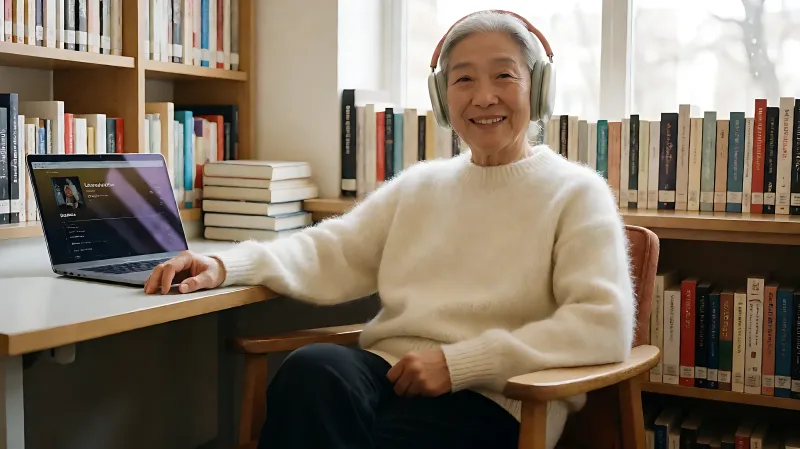
Older adults can stay mentally active and socially connected by leveraging podcasts, audiobooks, and museum digital resources. This guide highlights specific shows, tools, and strategies for accessible lifelong learning.
Older adults can keep their minds sharp and stay connected by listening to curated podcasts, audiobooks, and museum audio guides. These digital tools offer accessible ways to learn history, science, and culture without the strain of reading small text. By using simple apps and free resources, seniors can enjoy storytelling and education on their own schedule.
Why Audio Learning Works for Older Adults
Listening to audio content is a gentle way to engage the brain. It allows for multitasking, such as listening while doing light household tasks or taking a walk. For many seniors, this format reduces eye strain and provides a sense of companionship. The flexibility of on-demand content means you can pause, rewind, and replay segments as often as you need.
What Specific Podcasts Are Best for Mature Listeners?
Several podcasts are designed with storytelling, history, and personal growth in mind. The Moth offers authentic storytelling from people across various backgrounds, which is great for empathy and connection. NPR’s Fresh Air, hosted by Terry Gross, provides deep interviews with artists and public figures. For those interested in health and aging, Aging GreatFULLy focuses on positive aging strategies. TED Talks Daily brings short, inspiring talks on diverse topics, helping listeners stay intellectually curious. These shows are available on major podcast apps and are often free to listen to.
How Can Audiobooks Enhance a Reading Habit?
Audiobooks allow you to "read" a book without holding a physical copy. Platforms like Audible offer a vast library of bestsellers and original stories. Many platforms also support podcasts, making it a one-stop shop for audio entertainment. For those who prefer managing their own library, Audiobookshelf is an open-source tool that lets you host your own audiobooks and podcasts on a personal server. This is particularly useful for families who want to share books easily or for those who prefer offline listening without a subscription.
How to Access Free Museum Resources Online
Museums are not just physical places; many now offer digital audio guides and podcasts that bring exhibits to life. You can listen to tours of the British Museum, the Louvre, or local community museums from your living room. These resources provide context for historical events and art, making them excellent supplements to travel or home study.
What Equipment Do I Need to Listen?
You do not need expensive gear to listen. A smartphone, tablet, or computer with standard earbuds is sufficient. If you are helping someone set up a podcast studio at home, a simple USB microphone like the Blue Yeti or Blue Snowball can improve sound quality. For editing, free software like Audacity is a powerful tool. However, for pure listening, your existing devices are perfectly fine.
Are There Tools to Organize Audio Collections?
Yes. If you have a large library of MP3 files or audiobooks, Audiobookshelf is an excellent open-source solution. It allows you to organize your files, add metadata, and sync progress across devices. It supports both audiobooks and podcasts, making it a versatile tool for lifelong learners who prefer self-hosted solutions. This can be a great project for seniors who enjoy a bit of technical tinkering.
Practical Steps to Start Your Audio Journey
Begin by choosing one podcast and one audiobook that interests you. Set a goal to listen for 15 to 20 minutes a day. Use the built-in players on your smartphone. If you are creating your own content, such as a family history podcast, use free editing tools and keep episodes concise. Remember that bad sound quality can be off-putting, so ensure you record in a quiet room. Speak clearly and slowly. You can also explore audio tours of specific cities or museums to plan future visits or learn about places you have been.
| Resource | Type | Best For |
|---|---|---|
| The Moth | Podcast | Storytelling and emotional connection |
| Fresh Air | Podcast | Interviews and cultural insights |
| Audible | Service | Accessing best-selling audiobooks |
| Audiobookshelf | Software | Self-hosting your audio library |
| Museum Audio Tours | Digital Guide | Learning about art and history |
How Can Family Members Support This Habit?
Family members can help by setting up apps on devices or by gifting audiobook credits. They can also join in on listening to family history podcasts or museum tours together, creating shared experiences. Technology support is crucial, so patience and clear instructions go a long way. Many senior living communities, such as those offered by Stonebridge, also provide workshops to help residents feel confident with these tools.
Embracing audio learning is a smart way to keep the mind active. It requires no physical exertion but offers rich intellectual rewards. Whether you prefer the drama of a novel, the insight of an interview, or the history of a museum tour, the world of audio is vast and welcoming. Start small, pick a favorite topic, and enjoy the journey.
Frequently Asked Questions
Is it free to listen to these podcasts?
Most high-quality podcasts, including The Moth and TED Talks Daily, are free to listen to on standard podcast apps. However, premium audiobook services like Audible require a subscription, though they often offer free trials. Public museum resources are typically free online.
What is the best app for managing a large audio library?
For those who prefer to manage their own files, Audiobookshelf is a powerful open-source option. It allows for multi-user support and syncs progress across devices. For most casual listeners, the built-in apps on Apple and Android devices are sufficient and easier to use.
Can I listen to museum tours from my home?
Yes. Many major museums in the US and UK, such as the British Museum and the Smithsonian, offer audio guides and digital exhibits that can be streamed online. These resources provide the same educational value as a physical visit, making them perfect for remote learning.
Do I need special headphones for this?
No. Standard earbuds or over-ear headphones that come with your phone or computer work perfectly. Comfort is key, so choose a pair that you can wear for 30 to 60 minutes without fatigue. You do not need expensive audiophile equipment to enjoy these resources.