Knee Osteoarthritis Management: Exercise & PT for Seniors
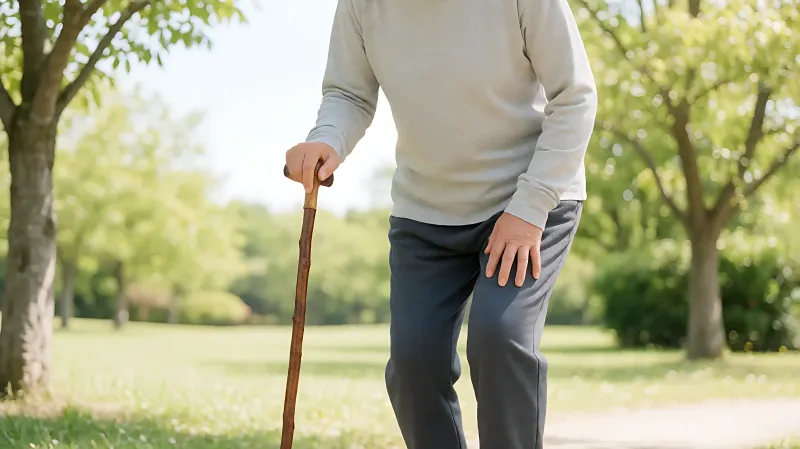
Knee osteoarthritis is a leading cause of disability in older adults. This guide explores how exercise and physical therapy can reduce pain and improve function, based on the latest clinical evidence.
For older adults living with knee osteoarthritis, structured exercise and physical therapy are the most effective non-surgical treatments to reduce pain and improve mobility. A Cochrane review of 139 studies involving over 12,000 participants found that consistent exercise leads to meaningful improvements in pain and physical function. While no cure exists, combining strength training, aerobic activity, and professional guidance can help you maintain independence and quality of life.
For more information, see CDC resources on healthy aging from the CDC.
Why Does Knee Pain Get Worse With Age?
Osteoarthritis (OA) is not just 'wear and tear.' It is a whole-organ disease involving the cartilage, bone, ligaments, and synovial fluid. As you age, the natural lubrication of the joint decreases, and the cartilage cushions between bones break down. This causes friction, inflammation, and the formation of bone spurs. The Centers for Disease Control and Prevention notes that OA is the leading cause of disability in the United States, particularly among adults over 65. Risk factors include genetics, previous joint injuries, and obesity. Excess weight places significant stress on the knee joints; for every pound of weight lost, you reduce the impact on your knees by four pounds during walking.
Is Exercise Safe for Painful Joints?
Yes, when done correctly. The American Academy of Orthopaedic Surgeons emphasizes that inactivity weakens the muscles that support the knee, making the joint more unstable and painful. The key is to focus on low-impact movements that strengthen the quadriceps, hamstrings, and hip muscles without compressing the joint cartilage excessively. A systematic review published in the Frontiers in Physiology confirms that physical therapy, including resistance and aerobic training, is the standard of care for managing OA symptoms. It is not about 'pushing through' sharp pain, but about building the muscular corset that protects the joint.
What Types of Exercise Work Best?
Strength Training
Strength training is the cornerstone of OA management. The goal is to increase muscle mass around the knee to absorb shock. Simple exercises include:
- Squats: Practice half-squats against a wall, keeping your knees aligned with your toes. Aim for 10 to 15 repetitions, two to three times a week.
- Step-Ups: Use a sturdy step of about six inches. Step up, keeping your front knee at 90 degrees, then step down slowly. This builds power without high impact.
- Leg Extensions: Lie on your back with knees bent. Lift one heel until the leg is straight, hold for two seconds, and lower slowly.
Aerobic and Low-Impact Cardio
Aerobic exercise improves circulation and reduces inflammation. The NIH supports the use of low-impact activities to maintain cardiovascular health without joint stress. Options include:
- Cycling: An upright or recumbent bicycle for 20 to 30 minutes, three days a week. Adjust the seat height so your knee does not fully lock at the bottom of the pedal stroke.
- Swimming: Aquatic therapy is highly effective because the water supports your body weight. The Cochrane review found that aquatic exercise can be comparable to land-based exercise for pain reduction, with fewer adverse events.
- Tai Chi: This mind-body practice improves balance and flexibility. Studies suggest it can reduce knee pain and improve confidence in moving without falling.
How Does Physical Therapy Differ From Home Exercise?
While you can perform basic exercises at home, a licensed physical therapist provides a personalized assessment. They can identify muscle imbalances, correct your movement patterns, and introduce manual therapy techniques. For example, if your hip weakness is causing your knee to collapse inward, a therapist will design a specific glute activation program. The American Physical Therapy Association recommends that individuals with moderate to severe OA symptoms consult a therapist before starting a new regimen. A typical program lasts six to twelve weeks, with two to three sessions per week, followed by a home maintenance plan.
What Should You Avoid?
High-impact activities like running on hard surfaces, jumping, or deep knee bends with heavy weights can accelerate cartilage damage. Avoid prolonged sitting or standing without moving; stiff muscles make the joint feel worse. The Consumer Product Safety Commission advises checking the fit of your footwear. Worn-out shoes or flat feet can alter your gait, placing abnormal stress on the knee. Replace shoes every 300 to 500 miles of use.
How Long Until You See Results?
Most patients report pain reduction within four to six weeks of consistent exercise. The Cochrane evidence indicates that improvements in physical function are significant after an average of ten weeks of training. However, results vary by individual. Consistency is more important than intensity. If you miss a few days, return gently; do not try to 'catch up' with double the reps.
Frequently Asked Questions
Can I exercise if my knee is swollen?
Light movement is usually beneficial for reducing swelling and stiffness. However, if the knee is hot, very red, or the pain is severe (above 7 out of 10 on a pain scale), rest and ice the joint first. Consult your doctor to rule out other conditions like infection or gout before exercising.
Is strength training dangerous for older adults?
When programmed with proper form and appropriate resistance, strength training is safe and recommended for adults over 60. The National Council on Aging emphasizes that it improves balance, reduces fall risk, and increases metabolic rate. Always start with light weights or body weight and progress gradually.
Do I need special equipment?
No. Bodyweight exercises, resistance bands, and household items like chairs and stairs are sufficient for most routines. Resistance bands are inexpensive and effective for providing progressive overload without joint compression.
How much exercise is enough?
The U.S. Department of Health and Human Services recommends at least 150 minutes of moderate aerobic activity per week, plus muscle-strengthening activities on two or more days. For knee OA, splitting this into short 15-to-20-minute sessions multiple times a week is often more manageable than one long session.