Ice or Heat for Arthritis Pain? Safe Guide for Seniors
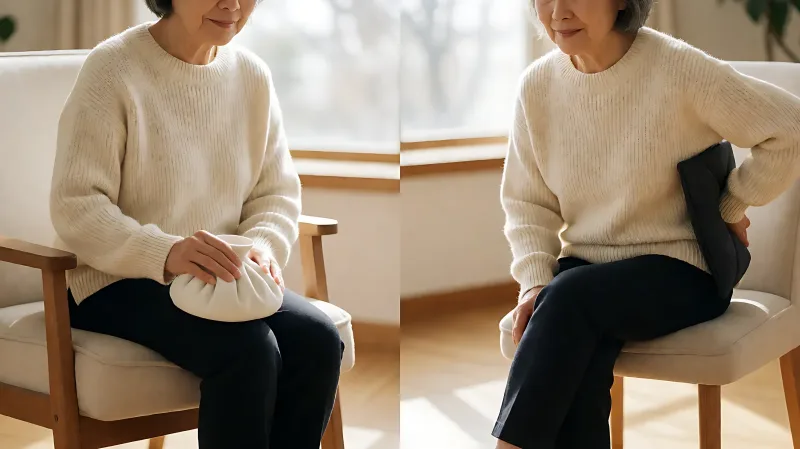
Discover whether ice or heat is better for your arthritis symptoms. This guide helps you choose the right therapy for swelling, stiffness, and chronic pain safely.
For arthritis, use heat for stiffness and chronic aches, and ice for swelling and acute injuries. Most experts, including those at Cleveland Clinic, suggest alternating both methods to manage symptoms effectively while avoiding burns or skin damage.
For more information, see NIA health information for older adults from the National Institute on Aging.
How Do Ice and Heat Differ in Effecting Joints?
Understanding the mechanics of cold and heat therapy is crucial for selecting the right tool for your specific symptoms. Both therapies are inexpensive, accessible, and recommended by organizations like the Arthritis Foundation as part of a comprehensive pain management plan.
What Does Ice Therapy Do for Swelling?
Cold therapy works by constricting blood vessels. This reduction in blood flow limits the amount of fluid that reaches the injured area, which directly decreases swelling and inflammation. It also slows down nerve signals, providing a numbing effect that dulls sharp pain.
- Primary Goal: Reduce inflammation and acute pain.
- Best For: Fresh injuries, flares with visible swelling, or post-exercise aching.
- Method: Use a gel pack or bag of frozen peas wrapped in a thin towel. Apply for 15 to 20 minutes. Never apply ice directly to the skin, as this can cause frostbite.
What Does Heat Therapy Do for Stiffness?
Heat therapy dilates blood vessels, increasing circulation to the target area. This increased blood flow delivers oxygen and nutrients to the tissues while helping to relax tense muscles. For older adults dealing with chronic osteoarthritis, heat is often more effective for loosening joints that feel tight in the morning.
- Primary Goal: Loosen stiff joints and relax muscles.
- Best For: Chronic dull aches, morning stiffness, and pre-exercise preparation.
- Method: Use a heating pad, warm bath, or moist heat pack. Aim for water temperatures between 92 and 100 degrees Fahrenheit (33 to 38 degrees Celsius). Apply for 15 to 20 minutes.
When Should You Choose Ice Over Heat?
The decision usually hinges on whether your joint is currently inflamed or simply stiff. Dr. Hayden Box, an orthopedic surgeon at Mass General Brigham, notes that if your pain is sharp and the joint feels warm to the touch, ice is the correct choice.
When Is Ice the Best Option?
Use ice when you notice redness, heat radiating from the joint, or swelling after physical activity. For example, if you have climbed a flight of stairs and your knee feels hot and puffy, applying ice will help cool down the inflammation. It is also the preferred method for acute injuries like a pulled muscle or a new flare-up.
When Is Heat the Better Choice?
Opt for heat when the pain feels like a deep, dull ache without significant swelling. Heat is particularly beneficial for older adults who experience stiffness after sitting for long periods or upon waking. A warm shower or heating pad can help "wake up" the joints before you start your day or before engaging in gentle stretching exercises.
Is It Safe to Alternate Between Ice and Heat?
Yes, and it is often recommended. A common strategy is to use ice immediately after an activity that stresses the joints to prevent swelling, then switch to heat later in the day to relieve muscle tension. Some people find that using heat before exercise helps loosen stiff muscles, while ice afterward minimizes post-workout soreness.
However, you should not apply heat directly to a swollen, hot, or injured joint. Doing so can increase blood flow to an already inflamed area, potentially worsening the swelling. Always let the acute inflammation subside before switching to heat therapy.
How Can Older Adults Apply These Therapies Safely?
As we age, skin sensitivity changes, and conditions like poor circulation or nerve damage can increase the risk of injury from extreme temperatures. The Consumer Product Safety Commission (CPSC) advises caution with heating devices to prevent burns.
Key Safety Precautions for Seniors
- Protect Your Skin: Always place a layer of cloth between the skin and the ice or heat source. Direct contact with ice can cause frostbite, while direct contact with a heating pad can cause first-degree burns.
- Limits on Time: Do not exceed 20 minutes for either therapy. Prolonged application can lead to tissue damage or rebound inflammation.
- Check Your Sensation: If you have diabetes, Raynaud's disease, or peripheral neuropathy, you may not feel temperature changes as sharply. Consult your healthcare provider before using these therapies. If the area feels numb or you have open sores, do not apply heat or cold.
- Temperature Control: For heat, ensure the source is warm, not scalding. For cold, ensure the pack is not frozen solid against the skin without a barrier.
When Should You Consult a Doctor?
While ice and heat are excellent home remedies, they are not a cure for arthritis. If your pain persists despite consistent use of these therapies, or if your symptoms interfere with daily activities, it is time to seek medical advice. The Centers for Disease Control and Prevention (CDC) highlights that early intervention with medication or physical therapy can prevent further joint damage.
Red Flags Requiring Professional Attention
- Pain that does not improve after two weeks of home care.
- Joint deformity or inability to bear weight.
- Signs of infection, such as fever or spreading redness.
- New or unexplained stiffness that does not respond to heat.
Frequently Asked Questions
Can I use ice and heat at the same time?
No, you should not apply them simultaneously to the same area. Alternating is safe, but apply one modality, wait for the skin temperature to return to normal, and then apply the other. This prevents thermal shock to the tissues.
Which is better for morning stiffness in arthritis?
Heat is generally better for morning stiffness. A warm shower or heating pad helps increase circulation and relax the muscles before you begin your daily activities. Save ice for the evening if you have exercised or engaged in heavy activity that caused swelling.
Is a heating pad dangerous for older adults?
It can be if used incorrectly. Older adults often have thinner skin and slower healing times. Always use a timer, keep the setting on low or medium, and never fall asleep with a heating pad on. Ensure you can feel the heat; if you cannot sense the temperature, stop using it.
Do I need to wrap ice packs in a towel?
Yes, wrapping ice in a thin towel or using a gel pack that is already designed for skin contact is essential. This barrier prevents ice burns and frostbite, which can be particularly damaging to skin that is already fragile due to age.