How To Overcome Loneliness In Later Life: A Practical Guide
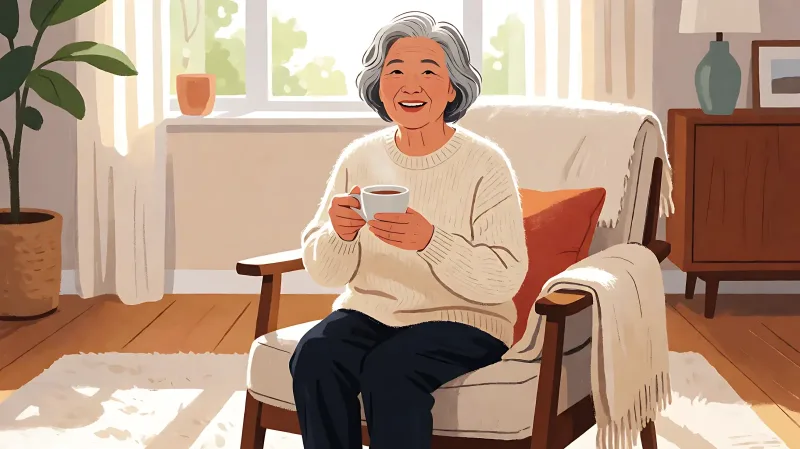
Understanding Loneliness in Later Life Loneliness is more than just being alone; it is a subjective feeling of social isolation that occurs when an individual's actual social connections fall short of
Understanding Loneliness in Later Life
Loneliness is more than just being alone; it is a subjective feeling of social isolation that occurs when an individual's actual social connections fall short of their desired level of interaction. For older adults, this negative emotional experience can profoundly impact quality of life. Beyond causing emotional distress, research suggests that chronic loneliness is a risk factor for cognitive decline and may even predict the incidence of Alzheimer's disease. Furthermore, there is a significant link between loneliness and cardiovascular health, affecting both the prevalence of heart disease and overall mortality rates. As society ages and modern life becomes increasingly fast-paced, many seniors feel marginalized, which exacerbates these feelings of isolation.
What Factors Contribute To Social Isolation Among Older Adults?
Several predisposing factors can increase the risk of loneliness in later life. Personal factors play a significant role; advanced age, particularly being over 80, widowed status, lower education levels, and limited financial resources are all associated with higher loneliness scores. Physical health is another critical component, where individuals managing chronic conditions or complex medication regimes often report feeling more isolated. However, a positive outlook on aging and an active lifestyle can act as protective factors.
Social support systems are equally vital. When family members move to different cities to care for grandchildren, a phenomenon often described as a form of uprootedness, seniors may find themselves in unfamiliar social environments that heighten their sense of isolation. Similarly, the 'empty nest' phenomenon—where adult children have left the family home—can lead to a drop in daily social support. High-quality spousal relationships are a major buffer against loneliness; in fact, poor or low-quality marriages can be more detrimental to mental health than being single. Special attention must be paid to those who have experienced the loss of a child, as this group faces unique psychological risks including post-traumatic stress and heightened isolation.
How Can Older Adults Self-Regulate Loneliness?
Managing loneliness requires a multi-layered approach that strengthens inner family bonds, maintains friendships, and expands the broader social circle. Within the home, it is common for seniors to focus heavily on their adult children while neglecting their partner. Spouses are not only caretakers but primary emotional supporters. Open communication, active affirmation, and shared affection between partners can significantly reduce feelings of isolation.
External to the household, maintaining connections with friends is essential. When family support is insufficient, a robust friendship network provides a safety net for emotional validation. Older adults should also reframe their perspective on aging. Retirement and the loss of social roles can be challenging, but they also present an opportunity for greater autonomy. Embracing this phase allows individuals to pursue hobbies, volunteer, and utilize their accumulated life wisdom, which fosters a sense of control and purpose. For those dealing with specific physical or cognitive challenges, structured activities like sarcopenia exercise routines can help maintain independence and confidence. Additionally, for those living with dementia, understanding home care for dementia patients strategies can help families maintain meaningful social interactions and reduce the isolating effects of the condition.
Frequently Asked Questions
Does loneliness cause physical health problems?
Yes. Loneliness is strongly associated with an increased risk of cardiovascular disease and cognitive decline. It can lead to higher mortality rates and negatively impacts the quality of life for those already suffering from chronic illnesses.
What is the "empty nest" effect on older adults?
The empty nest effect refers to the heightened sense of isolation experienced when children leave the family home. This transition often results in a significant decrease in daily social interaction and support, making it critical for seniors to develop new social routines and friendships during this period.
How can spouses reduce loneliness in later life?
Spouses can reduce loneliness by actively expressing affection, providing consistent emotional support, and maintaining open communication. Viewing the partnership as a source of mutual growth rather than just practical cohabitation helps sustain a healthy relationship that buffers against external isolation.
Are community programs effective for managing loneliness?
Yes. Community programs, volunteer work, and social groups provide vital external support. They allow older adults to leverage their experience, stay physically and mentally active, and build a diverse social network that extends beyond the immediate family.
How does physical health impact social engagement?
Physical health and social engagement are deeply linked. When older adults experience pain or mobility issues, they are more likely to withdraw from social activities, leading to a cycle of isolation and further health decline. Regular, moderate physical activity can break this cycle by improving mood and self-efficacy.
References
- Chunzuo: Strategies for elderly mental health and socialization
- Journal of Central South University: Exergames and resistance training in cognitive frailty
- CDC: Healthy Aging
- NIA: Loneliness and Social Connection
Key Takeaway
Loneliness is a preventable and manageable challenge of aging. By nurturing spousal relationships, staying connected with friends, and embracing the independence of later life through social and physical activities, older adults can significantly improve their mental health and maintain a fulfilling, connected lifestyle.
Medical Disclaimer
This content is for general informational purposes only and does not constitute medical advice, diagnosis, or treatment. Always seek the advice of a physician or other qualified health provider with any questions you may have regarding a medical condition. Never disregard professional medical advice or delay in seeking it because of something you have read on this site.