5 Breathing Techniques for Stress Relief & Better Sleep
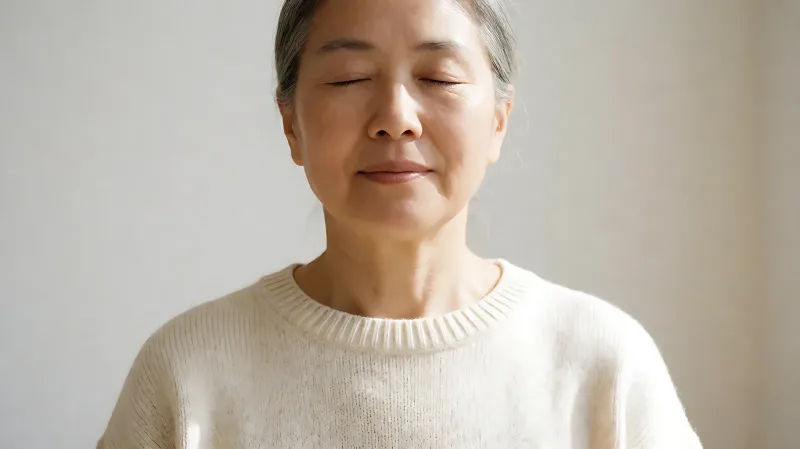
Struggling with sleep or stress? Explore five science-backed mindfulness breathing exercises to calm your mind, reduce anxiety, and improve sleep quality.
Consistent, slow breathing practices lower stress hormones and calm the mind, making it easier to fall asleep. For older adults and anyone facing daily anxiety, dedicating five minutes a day to guided mindfulness exercises can significantly improve sleep quality and reduce rumination. These techniques are safe, cost-effective, and backed by research on the nervous system.
For more information, see NCCIH relaxation techniques overview from the National Center for Complementary and Integrative Health.
Why Do Breathing Exercises Help with Sleep and Stress?
Stress activates the sympathetic nervous system, keeping the body in a state of alertness. This makes it difficult to relax or transition into sleep. Slow, deep breathing stimulates the vagus nerve, which activates the parasympathetic nervous system. This shift helps lower heart rate and blood pressure, creating a physiological state conducive to rest. The Centers for Disease Control and Prevention (CDC) notes that chronic stress is linked to higher risks of cardiovascular disease, making effective stress management essential for long-term health.
What Is the 4-7-8 Breathing Technique?
The 4-7-8 method, popularized by physiologist Dr. Andrew Weil, is a simple timer-based exercise. It involves inhaling through the nose for four counts, holding the breath for seven counts, and exhaling audibly through the mouth for eight counts. This pattern forces the lungs to empty more completely, increasing oxygen intake and promoting relaxation. For beginners, you may start with shorter counts, such as 3-6-6, before building up to the full sequence.
How Can Box Breathing Benefit Older Adults?
Box breathing, often used by Navy SEALs for focus, is highly adaptable for seniors. It involves inhaling for four counts, holding for four, exhaling for four, and holding empty for four. This creates a square rhythm that helps center the mind. According to the National Institute on Aging (NIA), maintaining cognitive focus through such rhythmic patterns can serve as a gentle mental workout. It is crucial to maintain comfort; if holding the breath feels straining, shorten the hold to two or three counts. Practice this sitting in a supported chair to maintain stability.
How Does Breath Awareness Calm the Mind Before Bed?
Breath awareness is a non-judgmental form of mindfulness. You sit or lie down and simply observe your natural breathing without trying to change it. When the mind wanders to worries, gently label the thought and return focus to the sensation of air entering the nose. The NHS recommends this technique for anxiety management, noting that even five minutes of practice can help detach from anxious loops. For sleep, try imagining the breath moving slowly from your feet to your head, or visualizing clouds drifting past to symbolize letting thoughts pass without engagement.
What Are the Best Habits to Pair with Breathing?
Integrating breathing into a broader sleep hygiene routine maximizes benefits. Establish a consistent wind-down period of 30 to 60 minutes before bed. Avoid bright screens, which suppress melatonin production. Engage in light activities like reading or stretching. The American Academy of Sleep Medicine advises keeping the bedroom cool, dark, and quiet. Combining environmental changes with consistent breathing practice creates a powerful routine for lasting sleep improvement.
Frequently Asked Questions
How many minutes should I practice daily?
Start with five minutes daily to build the habit. Consistency is more important than duration initially. As confidence grows, you can extend sessions to 10 or 15 minutes. The goal is to create a sustainable routine that fits into your daily life without becoming a source of pressure.
Can I practice these techniques while sitting in a chair?
Yes, you can perform all these exercises while sitting. Ensure your back is supported, feet are flat on the floor, and shoulders are relaxed. For older adults, a sturdy chair with armrests provides the best support and safety, allowing you to focus entirely on your breath.
What if I feel lightheaded during the exercise?
Lightheadedness usually indicates holding your breath too long or breathing too slowly. Reduce the hold counts in the 4-7-8 or box breathing techniques. If symptoms persist or occur with difficulty breathing, consult a healthcare provider to rule out underlying respiratory or cardiovascular conditions.
Is it normal to feel more stressed at first?
Some beginners experience increased awareness of stress or mental restlessness. This is a common phase known as the 'rebound effect.' It typically fades within two to three weeks of consistent practice. Be patient and view these moments as opportunities to practice letting go of tension rather than fighting it.