How Micro-Stressors Harm Your Health and How to Fix Them
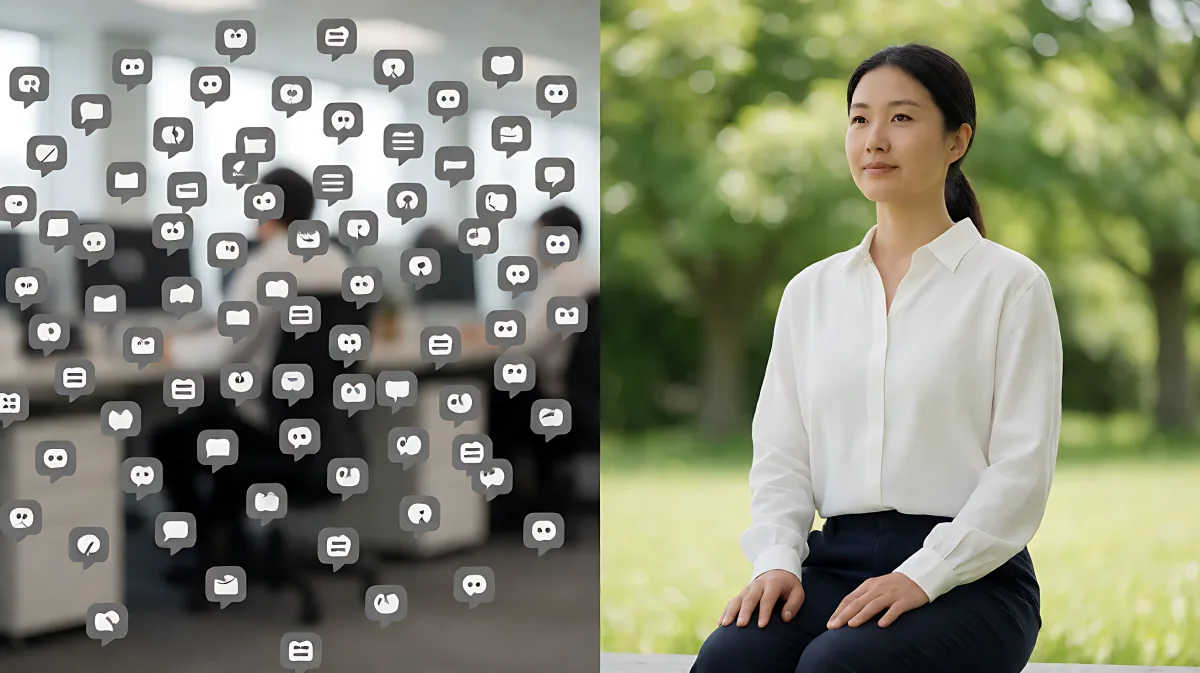
Tiny daily frustrations accumulate into significant health risks. Learn how to spot the signs of stress overload and use brief, sensory-based routines to restore your nervous system.
Micro-stressors are minor daily annoyances that accumulate to cause more physical and mental health damage than major life events. By triggering repeated stress responses without adequate recovery time, these small hassles create chronic allostatic load, leading to anxiety, immune dysfunction, and fatigue.
Why Small Daily Hassles Hurt More Than Big Crises
It feels counterintuitive that a forgotten password or a traffic jam could be more damaging than a job loss or a breakup. However, current wellness research suggests that the sheer frequency of micro-stressors is the key factor. When you experience a major life event, your social support network activates. Friends and family provide tangible help, and your body recognizes the crisis as a distinct event with a clear ending. Micro-stressors, by contrast, occur dozens of times a day. They are often dismissed by others as trivial, leaving you to manage the emotional load alone. This lack of social validation, combined with the constant repetition, prevents your nervous system from ever fully returning to a state of safety.
What Is Allostatic Load and Why Does It Matter?
Allostatic load is the cumulative wear and tear on the body from repeated activation of stress defense systems. In a healthy state, your cortisol levels spike briefly during a threat and then return to baseline. Micro-stressors disrupt this rhythm. Because they are so frequent, your body does not get the necessary downtime to reset. This leads to a flattened cortisol curve, where you might feel foggy and exhausted in the morning but overly wired at night. The American Psychological Association notes that this chronic low-grade activation is linked to higher risks of cardiovascular disease, metabolic syndrome, and accelerated cellular aging. Your body is essentially stuck in a state of constant vigilance, which is energetically costly and harmful to long-term health.
How Your Body Reacts to Constant Interruptions
Your brain treats a vague email or a missed train with the same biological alarm system it would use for a physical threat. The hypothalamic-pituitary-adrenal axis activates, releasing cortisol and adrenaline. While this is useful for genuine emergencies, it is a waste of resources when the trigger is merely a minor inconvenience. The parasympathetic nervous system, responsible for rest and recovery, is constantly interrupted before it can fully engage. This "recovery gap" means your baseline stress level creeps upward throughout the day. Over time, this results in a phenomenon often described as energy leakage. You may notice shorter patience, difficulty concentrating, and a persistent feeling of being "on edge" without a specific cause. These are not signs of weakness but physiological responses to an environment that provides too many small frictions.
Can Two Minutes Really Rewire Your Stress Response?
Yes. The concept of micro-wellness suggests that brief, intentional practices can outperform lengthy routines. According to psychiatrist and neuroscientist David Rabin, MD, PhD, even two minutes of focused breathing can activate the pre-frontal cortex and signal safety to the amygdala, the brain’s fear center. The vagus nerve, which governs parasympathetic activity, is highly sensitive to sensory input. By engaging your five physical senses intentionally, you can manually switch your nervous system from fight-or-flight to rest-and-digest. This is not about adding more to your to-do list; it is about using micro-moments to interrupt the cycle of accumulation.
What Are the Most Effective Sensory Triggers for Calm?
Research indicates that specific sensory inputs are particularly effective at lowering cortisol and blood pressure. Listening to birdsong, for example, triggers a primal safety response in the brain because birds typically do not sing when predators are present. Neuroscientist Tara Swart, MD, PhD, advocates for creating a "patchwork quilt" of beauty and awe throughout the day, such as noticing a specific leaf or savoring the taste of a hot beverage. Smell is another powerful trigger; scents like lavender, rosemary, and orange essence have been shown to reduce anxiety and improve cognitive function. Additionally, brief exposure to green light or natural green spaces is associated with lower risks of depression and anxiety. Touch also plays a role; soothing vibration or simply noticing where you hold tension in your body can act as an instant non-verbal safety cue.
How to Build a Routine That Interrupts Micro-Stress
Managing micro-stress is less about willpower and more about design. You need to remove small sources of friction and insert brief recovery points. Here are practical strategies to implement in your daily life:
- Protect Focus Windows: Batch notifications and block short periods of uninterrupted work. This reduces the cognitive load of constant context-switching.
- Anchor Morning Rituals: Before checking your phone, spend one minute practicing gratitude and deep breathing. This prevents your brain from immediately latching onto urgent tasks and stress.
- Use the 5-4-3-2-1 Technique: When feeling overwhelmed, focus on five things you can see, four you can touch, three you can hear, two you can smell, and one you can taste. This grounds you in the present moment, which is the only time you have control.
- Optimize Your Environment: Reduce physical friction in your workspace. This could mean decluttering your desk, adjusting lighting to reduce eye strain, or ensuring your chair is ergonomic. Small environmental tweaks reduce the background stress of physical discomfort.
Why Design Matters More Than Resilience
Micro-stress is often a systems issue rather than a personal one. If your work environment is built on ambiguity, frequent interruptions, and lack of clear outcomes, you are fighting the structure. Reducing micro-stress requires addressing these design flaws. Clearer expectations, fewer unnecessary meetings, and organized information flows allow your nervous system to recover. This frees up energy for creativity and the work that actually matters, rather than expending it on mere survival.
Frequently Asked Questions
How quickly can I see benefits from micro-wellness practices?
Brain imaging studies show that benefits like improved focus and enhanced decision-making can begin after just two minutes of breathing meditation. Consistent practice over several days can lead to measurable changes in brain wave activity, such as increased gamma wave activity associated with higher states of consciousness and well-being.
Is micro-stress different from chronic stress?
While both result in elevated allostatic load, chronic stress often stems from a single, sustained source like financial hardship or caregiving. Micro-stress is the cumulative result of numerous small, transient events. They are harder to identify because no single event feels severe enough to warrant concern, making them easier to ignore until health impacts become apparent.
Do I need expensive apps or devices to manage micro-stress?
No. The most effective interventions are often free and biological, such as listening to nature sounds, smelling essential oils, or practicing body scan meditations. While technology like wearable vibration devices can help, the core mechanism is the activation of the vagus nerve through sensory input, which can be achieved through simple, natural methods.
What role does sleep play in recovering from micro-stress?
Sleep is when your parasympathetic nervous system performs its deepest restorative work. If micro-stress keeps your cortisol levels elevated in the evening, you may experience difficulty falling asleep or unrefreshing sleep. Prioritizing a wind-down routine that includes sensory calming techniques can help lower evening cortisol, ensuring you get the rest necessary to reset your baseline for the next day.