Arthritis Home Wellness Routine for Seniors
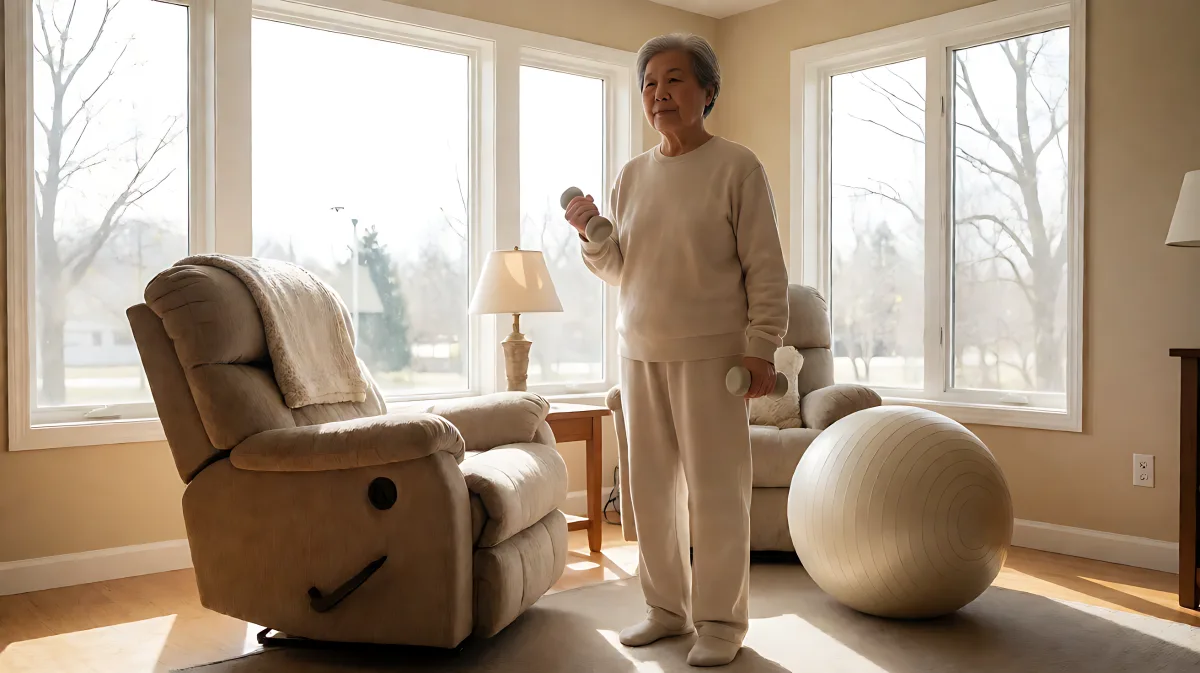
Living with arthritis does not mean losing independence. This guide offers a step-by-step home wellness routine focusing on gentle movement, smart nutrition, and environmental adjustments to keep joints comfortable and active.
A consistent home wellness routine reduces joint stiffness and maintains independence for seniors living with arthritis. By integrating low-impact movement, anti-inflammatory nutrition, and targeted home safety measures, older adults can manage symptoms effectively without leaving their comfort zone.
Arthritis is not just a minor annoyance; according to the Centers for Disease Control and Prevention, it is the leading cause of disability among older Americans. Nearly 60% of adults aged 65 and older report living with some form of the condition. However, data suggests that structured self-care can significantly improve quality of life. The key is moving from passive rest to active, gentle maintenance.
What Are the Core Components of a Daily Arthritis Wellness Routine?
Many families assume that less movement is better when joints hurt, but in fact, inactivity often leads to increased stiffness and muscle weakness. The goal is a balanced routine that alternates activity with rest. A standard daily schedule should include morning mobility work, mid-day gentle strength building, and evening recovery techniques.
How Should Mornings Start to Reduce Stiffness?
Joint pain is often highest after a period of rest. Begin the day with 5 to 10 minutes of gentle stretching while the body is warm. A warm shower or bath before stretching can help loosen tissues. Focus on range-of-motion exercises for the wrists, ankles, and knees. Gentle heat application, such as a warm compress, can also help relax tight muscles before engaging in activity.
Why Is Strength Training Crucial for Joint Support?
Strong muscles act as natural shock absorbers for joints. The American Council on Exercise recommends at least 150 minutes of moderate-intensity exercise per week. For seniors with arthritis, this can be broken down into manageable sessions. Use resistance bands or light weights for exercises like chair squats or arm raises. This approach strengthens the support systems around the hips and knees without the impact of high-intensity cardio.
Which Exercises Are Safest and Most Effective for Joint Comfort?
Not all movement is equal. High-impact activities like running or jumping should be avoided as they place excessive stress on cartilage. Instead, focus on low-impact aerobic and flexibility movements. The following routine is designed for home safety and efficacy:
- Water-Based Movement: If access to a pool is available, water walking reduces joint strain by up to 50% due to buoyancy. It allows for full-range motion without impact.
- Tai Chi and Yoga: These practices improve balance and flexibility. Chair yoga is an excellent adaptation for those who struggle to get up from the floor. It focuses on slow, controlled movements that calm the nervous system.
- Stationary Cycling: Using a recumbent bike is a safe way to elevate heart rate and keep joints lubricated. Aim for 15 to 20 minutes at a conversational pace.
- Hand Dexterity Drills: For those with hand arthritis, simple finger lifts and thumb touches help maintain grip strength essential for daily tasks like opening jars.
How Can Diet Influence Joint Inflammation and Pain?
Food is a powerful tool for managing chronic inflammation. An anti-inflammatory diet focuses on whole foods that combat oxidative stress. Rather than eliminating entire food groups, the strategy is to increase the intake of protective nutrients.
What Specific Foods Should Be Prioritized?
Incorporate omega-3 rich sources such as salmon, sardines, and walnuts into meals at least twice a week. These fatty acids help reduce joint pain and stiffness. Antioxidants found in berries, leafy greens like spinach and kale, and spices like turmeric and ginger further support joint health. Stay hydrated; water acts as a cushion for joints and disc, helping them move more smoothly.
Why Does Weight Management Matter for Arthritis?
Excess weight places direct mechanical load on weight-bearing joints like the knees and hips. A study found that even a modest 10-pound weight loss leads to significant improvements in knee pain for patients with osteoarthritis. This makes nutrition not just a medical consideration, but a pain management strategy. Working with a dietitian to create a sustainable plan can prevent the cycle of overeating and joint stress.
What Home Safety Adjustments Are Essential for Fall Prevention?
Stiff joints and reduced grip strength increase the risk of falls. The home environment must be adapted to minimize these risks. A caregiver or family member should perform a walkthrough to identify hazards. Clear walking paths, add adequate lighting, and remove loose rugs. Install grab bars in the bathroom and use a shower chair to prevent slips on wet surfaces. These small changes preserve dignity and allow seniors to move confidently.
How Do You Manage Pain Flare-Ups Without Losing Independence?
Flare-ups are unpredictable. Having a toolkit ready helps. Use cold therapy during acute swelling to reduce inflammation, and switch back to heat for chronic stiffness. Pacing activities is critical; spread demanding chores across the week rather than doing them all at once. Using adaptive tools like jar openers and button hooks keeps daily living manageable. Mental health also plays a role; chronic pain can lead to isolation, so maintaining social connections through virtual calls or community groups supports emotional well-being.
Frequently Asked Questions
How often should a senior with arthritis exercise?
It is best to engage in low-impact movement every day. For strength and aerobic benefits, aim for 150 minutes of moderate activity per week, split into sessions of 10 to 15 minutes to avoid overexertion. Consistency is more important than intensity.
Is it safe to do physical therapy exercises at home?
Yes, provided they are prescribed by a healthcare professional or physical therapist. Self-taught complex movements can be risky. Always start with simple range-of-motion exercises and stop immediately if pain increases beyond mild discomfort.
Which supplements have evidence for helping arthritis?
Omega-3 fish oil supplements and glucosamine have been widely studied for their potential to slow cartilage breakdown and reduce pain. However, their effectiveness varies by individual. It is essential to consult a doctor before starting any new supplement, especially if you are on blood thinners or other medications.
How can I make bathing safer with joint pain?
Use a shower chair to eliminate the need to stand for long periods. Install grab bars near the tub and ensure the floor is non-slip. Warming up with a hot shower first can also help loosen joints before using a handheld showerhead.