How Smart Cabinet Alerts Boost Medication Adherence
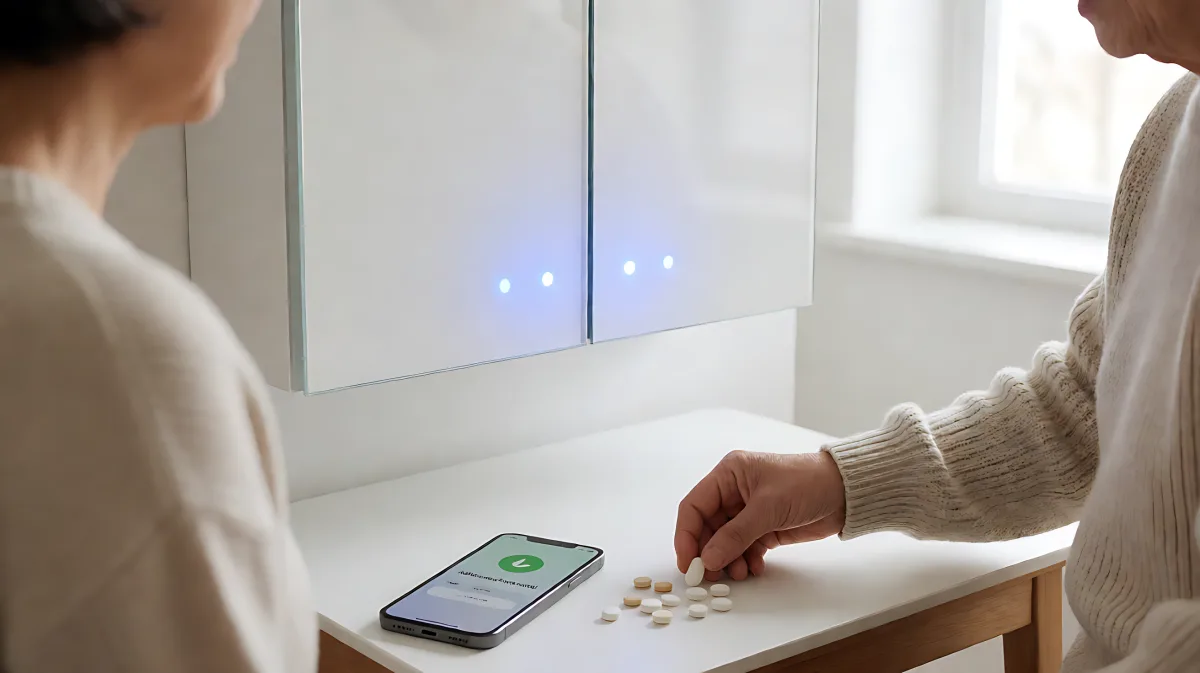
Forget static pill boxes. Modern smart cabinet systems use IoT sensors and AI to detect missed doses in real-time, keeping elderly patients safe and caregivers informed without intrusive cameras.
Smart cabinet alerts use Internet of Things sensors and artificial intelligence to detect when a patient misses a dose, instantly notifying caregivers via mobile app. This technology helps elderly users maintain medication schedules without the stress of manual tracking, reducing the risk of health complications from skipped pills.
Why Do Patients Miss Their Medications?
Medication non-compliance remains a significant hurdle in healthcare, with the World Health Organization estimating that up to 50% of patients with chronic illnesses do not take their medications as prescribed. For seniors managing multiple prescriptions, the issue is even more complex. Forgetfulness is the most common barrier, particularly for conditions like hypertension where symptoms are asymptomatic. When a patient does not feel sick, the urgency to take a pill fades. Additionally, side effects, high costs, and a lack of understanding about the medication's purpose can lead to silent treatment failures. These gaps in routine can result in preventable hospitalizations and increased healthcare spending, making reliable monitoring systems essential for home-based care.
How Do Smart Cabinet Systems Work?
Unlike basic timers that simply beep at a set hour, advanced smart cabinet monitoring systems integrate hardware and software to verify actual behavior. These systems typically use a combination of limit switches, motion sensors, and microcontrollers, such as the Arduino Mega 2560, to log when a cabinet door opens or a tray is accessed. A Wi-Fi module transmits this data to a cloud-based database, where algorithms compare the activity against the patient's expected routine. If a dose is not taken within the designated window, the system triggers a cascade of alerts. This approach moves beyond simple reminders to provide proof of compliance, ensuring that care partners know when intervention is necessary.
What Sensors Are Used in These Cabinets?
Most systems rely on discreet, passive sensors rather than cameras to protect privacy. Common components include RFID tags on pill bottles, magnetic door sensors, and high-quality motion detectors placed near medication storage zones. These sensors communicate via Bluetooth or Wi-Fi to a central hub or cloud server. The goal is to create a seamless digital layer over physical habits. By using open standards and Matter-certified devices where possible, these systems integrate smoothly with existing smart home ecosystems, allowing for coordinated alerts through voice assistants or ambient lighting changes.
Who Benefits Most from Smart Adherence Alerts?
Seniors living alone are the primary beneficiaries of these technologies. As cognitive decline progresses, the ability to track complex regimens diminishes. Families often struggle with the anxiety of not knowing if a loved one is taking their pills. Smart cabinet systems provide a quiet reassurance for these relatives. Caregivers receive notifications on their smartphones only when an expected routine is missed, eliminating the need for intrusive phone checks. This technology also supports professional home health aides by providing data-driven insights into a patient's daily habits, allowing for more targeted support during visits.
How Do You Set Up a Smart Monitoring System?
Implementing a smart medication alert system requires careful planning to avoid alert fatigue, a common issue where users stop paying attention to notifications. The setup process begins with mapping the patient's specific medication schedule, noting times, doses, and refills. Next, select discreet devices that blend into the environment. Sensors should be installed near medication storage areas and common pathways, avoiding thick walls that might block signals. Once installed, the system's artificial intelligence requires a calibration period to learn the user's natural behavioral patterns. During this phase, the hub synthesizes activity signals to distinguish between normal routine variations and genuine missed doses. Regular testing is crucial to minimize false positives, ensuring that the system supports dignity rather than creating chaos with unnecessary alarms.
What Role Does Data Integration Play?
Modern adherence systems do not operate in isolation. They increasingly integrate with Electronic Health Records and pharmacy refill records to provide a holistic view of care. When a smart cabinet detects a missed dose, this data can be shared with clinicians through secure platforms. In advanced setups, predictive analytics use historical adherence data to identify patients at high risk of future non-compliance. This allows for proactive interventions, such as contacting the patient or their caregiver before a crisis occurs. The shift from reactive care to proactive management is a key advantage of data-centric alert systems, enabling healthcare providers to spot trends and address barriers like cost or side effects early.
How Does Escalation Work When a Dose Is Missed?
Effective systems use tiered escalation protocols. If a dose is missed, the first alert is sent to the patient, often via a gentle voice prompt or ambient light shift associated with their morning routine. If the patient does not respond, the second alert is sent to a primary caregiver. If the routine remains disrupted, the alert may be escalated to a professional healthcare provider or emergency contact. This intelligent layering ensures that the right person is notified at the right time, reducing unnecessary worry for families while providing a safety net for the patient.
Frequently Asked Questions
Do smart medicine cabinets require professional installation?
Most consumer-grade systems are designed for plug-and-play setup, allowing families to install sensors without professional technicians. However, complex systems that integrate with home health records or require specific electrical wiring may need professional assistance to ensure secure data transmission and proper sensor calibration for optimal accuracy.
Can smart alerts handle multiple medications with different schedules?
Yes, the artificial intelligence in these systems can manage complex regimens with multiple doses at different times. It learns individual patterns for each medication, ensuring that alerts are personalized and that a missed dose of one drug does not trigger false alarms for another, providing precise tracking for polypharmacy situations.
Is the data from these cabinets secure?
Reputable manufacturers use encrypted data transmission and secure cloud storage to protect patient privacy. It is important to choose systems that comply with healthcare data regulations and offer two-factor authentication for caregiver access to prevent unauthorized viewing of sensitive health information.
What happens if the power or internet goes out?
Many smart cabinets include battery backups for the sensors and microcontrollers. While Wi-Fi is required for real-time alerts to caregivers, the local logging of doses continues uninterrupted. Once the internet connection is restored, the system synchronizes the missed data, ensuring a complete record of medication adherence for both the patient and their care team.