How to Organize Medications: Pill Box Strategies for 2025
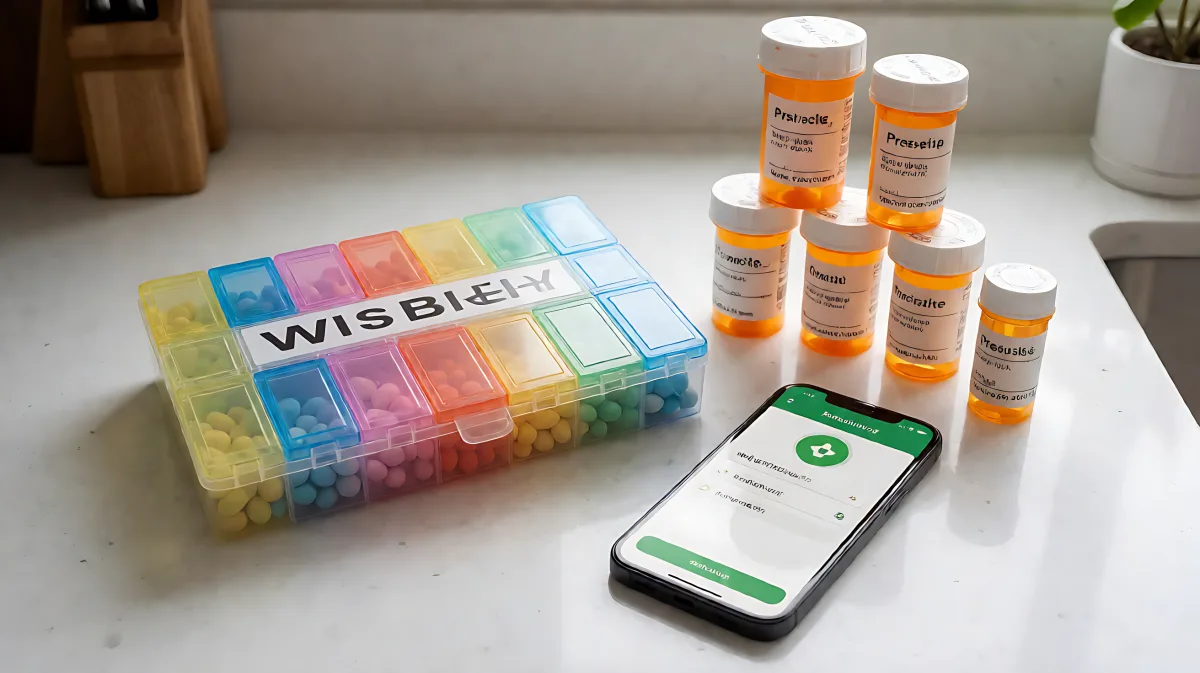
Struggling with daily meds? Learn how to organize medications effectively. Discover the best pill box types, labeling hacks, and routine tips to prevent errors in.
Organizing medications effectively requires a consistent weekly system that combines physical storage tools with digital or auditory cues. By sorting doses into clearly labeled compartments at a fixed time each week and using alarm reminders, you can significantly reduce the risk of missed doses or accidental double-dosing for yourself or a loved one.
Why a Structured System Prevents Medication Errors
Medication errors are a leading cause of preventable harm in healthcare settings and at home. According to the NHS in the UK and the CDC in the US, a large percentage of medication errors occur due to human factors, such as forgetting to take a dose or taking it at the wrong time. For individuals managing chronic conditions like diabetes, hypertension, or multiple tick-borne diseases, the complexity of dosing schedules—where some pills must be taken with food and others on an empty stomach—can become overwhelming. A structured organization system acts as a safety net, ensuring that specific rules for each medication are consistently followed without relying solely on memory.
What Are the Most Effective Pill Box Types for Daily Use?
The right physical container is the foundation of a successful medication routine. In 2025, options range from simple manual organizers to automated electronic devices. Here are the primary categories available from pharmacies and specialist retailers:
- Standard Weekly Pill Boxes: These are the most common solution, featuring seven sections (one for each day) divided into four slots (morning, noon, evening, and bed). They are widely available at pharmacies and retail stores for under $10 (approx. £8), making them an affordable starting point for most users.
- High-Volume Weekly Organizers: If you take more than four doses per day, standard boxes may overflow. Specialized organizers, such as those with six or seven compartments per day, are available from medical supply companies. For example, retailers like e-pill offer 5-to-7 times a day organizers priced between $35 and $75, providing enough space for complex regimens without needing multiple containers.
- Automatic Pill Dispensers: For older adults or those with cognitive impairment, automated dispensers offer a higher level of safety. These devices, such as the MedTime Station, use locked compartments and audio/visual alarms to dispense the exact dose at the prescribed time. Prices typically start around $500, but they eliminate the risk of taking the wrong pill or double-dosing, as the machine will not open the wrong compartment.
- Travel and Backup Boxes: A small, portable organizer (often palm-sized) is essential for dining out or traveling. A discreet, circular box holding 4-5 pills allows you to manage mid-day doses without the hassle of digging for a Ziploc bag in a restaurant. Keep one in your bag as a backup for your main weekly organizer.
How to Set Up Your Weekly Routine
Consistency is key to avoiding confusion. Choose a specific time and day to fill your organizer; Sundays are a popular choice, but any day that fits your schedule will work. The goal is to make the process ritualistic so it becomes second nature.
What Labeling Strategies Help Prevent Confusion?
Clear labeling is vital, especially for users who are visually impaired or who find reading small print difficult. While standard pill bottles have labels, they are often small and difficult to read. To enhance clarity:
- Use Large, Bold Markers: Label the compartments with large, easy-to-read text. Some users find it helpful to use color-coding, such as blue for morning and red for bedtime.
- Tactile Markers for Visual Impairment: For blind or visually impaired users, puffy markers can be used to create raised symbols on the lids or boxes. A simple system might use one dot for a daily med and two for twice a day. These tactile cues must be practiced until they are instantly recognizable by touch.
- Master Dosing List: Keep a printed master list near your storage area. This list should detail which pill goes in which slot and any special instructions, such as "take with food" or "do not take with calcium." Review this list every week when filling the box to ensure no updates are needed.
What Role Do Digital Reminders Play in Adherence?
Physical boxes store the medication, but they do not remind you to take it. In 2025, digital integration is a standard part of medication management. Most smartphones have built-in medication reminder apps, which allow you to set recurring alarms for specific times. For those who find phone alarms too subtle, vibrating reminder watches are available from medical suppliers. These devices, such as the CADEX VibraPlus, vibrate on your wrist when it is time to take a dose. This is particularly useful for individuals who may not hear a phone alarm in a noisy environment or for those who sleep through early morning alarms.
Additionally, many pharmacies now offer blister packs or pre-sorted pills via subscription services. If you take a static medication list, ask your pharmacist if they can dispense your meds in pre-sorted packs. This removes the need to manually fill a pill box entirely and reduces the risk of picking up the wrong bottle.
How Can You Track Symptoms Alongside Your Medication?
Organizing is not just about taking the pill; it is about monitoring how you respond to it. Keep a simple daily log, either in a notebook or a digital app, to record your sleep quality, energy levels, and any side effects. Before visiting your doctor, review this log to identify patterns. For example, you might notice that a certain medication causes dizziness if taken in the morning. Providing this structured data to your healthcare provider helps them make informed decisions about your prescription, potentially leading to a more effective treatment plan.
Frequently Asked Questions
How often should I replace my pill box?
Inspect your pill box weekly for cracks or loose lids that could cause spills. If the plastic becomes brittle or the compartments no longer seal tightly, replace it. Most high-quality plastic organizers last several years if handled gently. Always keep a spare box in a safe location in case the primary one breaks.
Is it safe to carry pills in a purse or bag for travel?
Yes, but you must ensure they are in a secure, leak-proof container. A small, lockable travel pill box is safer than a loose bag, as it prevents cross-contamination if a liquid spills. Keep the original prescription label or a printed copy in your travel bag in case you need to refill your medication while away from home.
What should I do if I miss a dose?
Do not double up on a dose unless your doctor has explicitly instructed you to do so. Generally, if you remember the missed dose within a few hours, take it then. If it is close to your next scheduled dose, skip the missed one and continue with the regular schedule. Always consult your pharmacist or doctor for specific advice on your particular medications, as rules vary depending on the drug class.
Can automatic dispensers be used for liquid medications?
Most consumer-grade automatic pill dispensers are designed for solid tablets and capsules. Liquid medications usually require syringes or specialized cups, which cannot be automatically dispensed by these devices. For liquid meds, use a standard weekly organizer with separate small bottles or follow your pharmacist's instructions for storage and measuring.