Downsizing Your Home: Keep Your Routines and Habits
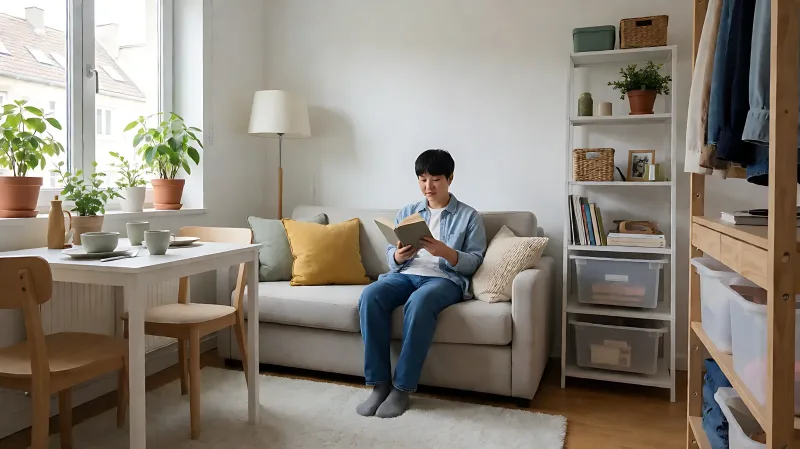
Moving to a smaller home often threatens established habits. This guide explains how to assess your space needs, optimize multi-purpose layouts, and manage the transition to ensure your daily life remains smooth and efficient.
Downsizing to a smaller home does not require sacrificing your cherished daily habits. Instead, it forces a strategic re-evaluation of space to support those routines. By mapping your current lifestyle to the new footprint and using multi-purpose furniture, you can maintain comfort. The key is planning three to six months in advance to sort items and establish new, efficient zones.
Why Preserve Your Routines When Shrinking Your Footprint?
Many people view downsizing as a loss of freedom, but data suggests otherwise. The National Association of Realtors notes that sellers aged 69 to 77 are the most likely to downsize, often to be closer to family or reduce management burdens. However, cost reduction is a primary driver for all ages. A smaller space means lower utility bills, as nearly half of home energy goes to heating and cooling. By keeping your daily routines intact, you avoid the stress of adapting to a chaotic new environment while enjoying the financial benefits of a smaller mortgage and reduced maintenance costs.
How Do I Assess My Space Needs?
Before you sell your current home, you must understand how you actually use your space. Track your room usage for a full week. Note which rooms are used daily, which are seasonal, and which are rarely touched. This audit helps you identify underused areas and determines if your current home is truly too large for your lifestyle. It also helps you plan for future needs, such as working from home or caring for aging parents.
How to Design a Smaller Home for Your Existing Habits
Efficiency is the cornerstone of downsizing without losing routine. You cannot rely on spacious, dedicated rooms for every activity. Instead, you must create flexible zones.
- Multi-Purpose Furniture: Use sofa beds, fold-away tables, and storage ottomans. A sofa that becomes a guest bed allows you to keep hosting friends without needing a dedicated guest bedroom.
- Zone Planning: Define areas for work, relaxation, and dining within an open-plan layout. Use rugs or lighting to visually separate these zones. This prevents the feeling of "living in a box" and supports your need for distinct activities.
- Vertical Storage: Install shelves up to the ceiling in the kitchen and bathroom. This keeps your daily essentials accessible while maximizing the limited square footage.
What Are the Best Decluttering Strategies?
Decluttering is emotional, especially for seniors who have lived in one home for decades. To keep the process manageable, start with less sentimental areas like the kitchen or linen closet. Build your confidence before tackling heirlooms or photo albums. Use a simple sorting method with boxes labeled "Keep," "Donate," and "Sell." For items you are unsure about, create a "Still Deciding" box. Set a one-month deadline for this box; if you have not accessed it, let it go. Digitizing photos and scanning important documents preserves memories without cluttering physical space.
How to Manage the Financial Transition
Downsizing affects your budget in both immediate and long-term ways. You must account for moving costs, which can include hiring a senior move manager. The National Association of Senior and Specialty Move Managers certifies professionals who can handle the logistics, ensuring your possessions are packed efficiently. While you will face upfront costs for moving and potentially renovations, the long-term savings are significant. Smaller homes typically have lower property taxes and insurance premiums. Additionally, reduced maintenance requirements mean less time spent on repairs and more time enjoying your new, streamlined lifestyle.
Will Downsizing Save Me Money in the Long Run?
Yes, but you must calculate the full picture. Savings on utilities and mortgage payments are offset by moving expenses. However, after one to two years, the net positive cash flow often improves. You can redirect these savings into travel, hobbies, or emergency funds, enhancing your quality of life without increasing debt.
How to Handle Sentimental Items
Sentimental items are the hardest part of the move. Limit the number of keepsakes you bring. Create a single "memory box" for cherished items. Pass heirlooms to children or grandchildren before you move. This act of gifting reduces your load and ensures these items remain part of the family narrative. For seniors, this step also helps clear pathways and reduces tripping hazards, improving safety in the new home.
FAQ
How much space do I actually need?
There is no one-size-fits-all answer. A two-bedroom apartment often suffices for a couple or a small family. The key is measuring your furniture and essential items. If your belongings do not fit comfortably, you need to declutter further. Focus on what supports your daily routine rather than what fits the room.
How long should the downsizing process take?
Experts recommend planning three to six months in advance. This timeline allows for gradual decluttering, house hunting, and coordinating moving logistics. Rushing the process leads to emotional stress and poor decision-making regarding which items to keep.
Can a smaller home still accommodate family gatherings?
Absolutely. By using multi-purpose furniture and outdoor spaces like balconies or community gardens, you can host guests comfortably. Flexible layouts allow rooms to switch functions, so your living area can become a dining space for large groups on special occasions.
What if I have mobility issues?
Downsizing is particularly beneficial for those with mobility challenges. Look for single-level homes, wide doorways, and lever-style door handles. Ensure bathrooms have grab bars and non-slip flooring. A smaller, accessible home can significantly improve your independence and safety.