Home Oxygen Safety Guide: Fire Risks & Storage Tips
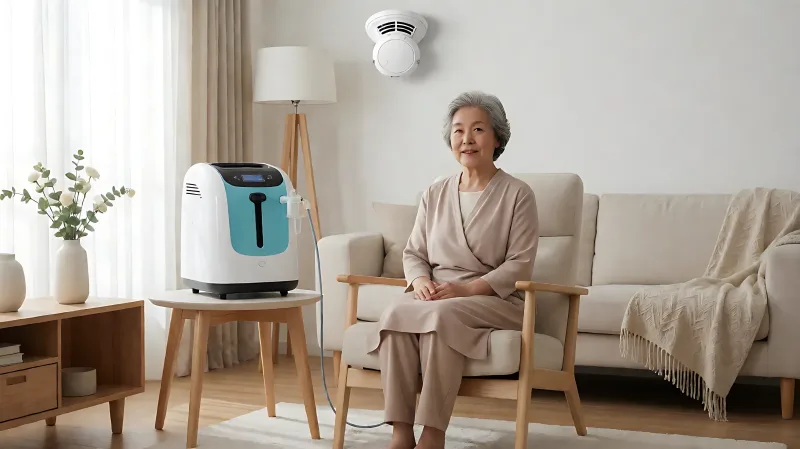
Supplemental oxygen is life-saving but increases fire hazards. Discover essential safety protocols for concentrators, tubing, and storage to protect older adults living alone.
Oxygen itself does not burn, but it drastically accelerates fires and makes materials ignite more easily. For older adults using home concentrators, strict safety protocols are required to prevent rapid combustion events. Keep equipment 10 feet from heat sources, eliminate open flames, and maintain backup power sources to ensure life-sustaining therapy continues safely.
For more information, see NIA healthy aging resources from the National Institute on Aging.
Why Home Oxygen Increases Fire Risk
Oxygen is an accelerant, not a fuel. While it will not catch fire on its own, it lowers the ignition temperature of surrounding materials like clothing, bedding, and skin. The National Fire Protection Association reports that supplemental oxygen contributes to approximately 1,190 home fires annually in the United States. Because these fires burn hotter and spread faster than typical household fires, the fatality rate among oxygen-dependent patients is significantly higher.
The primary danger for seniors lies in the oxygen-enriched environment created by leakages or direct exposure from nasal cannulas. A small spark from static electricity, a frayed cord, or a cigarette can trigger a flash fire that moves too quickly for an elderly person to escape. Understanding this physics is the first step in modifying the home environment to accommodate life-sustaining equipment.
How Should You Store Oxygen Equipment?
Proper storage prevents physical injury and reduces fire hazards. Stationary oxygen concentrators weigh between 35 and 50 pounds and should be placed on stable, level surfaces. Portable tanks must be stored upright in secure locations to prevent the heavy vessels from tipping over. Always keep equipment away from direct sunlight and heat sources like space heaters or fireplaces.
- Upright Position: Never store compressed gas tanks horizontally unless the manufacturer explicitly states it is safe. Upright storage prevents pressure buildup in the valve mechanism.
- Secured Location: Use straps or brackets for portable tanks to stop them from rolling or falling.
- Airflow Clearance: Keep at least three feet of space around the concentrator for proper ventilation. Blocked airflow causes the machine to overheat, creating a potential spark risk.
- Electrical Safety: Plug the concentrator directly into a grounded wall outlet. Avoid power strips or extension cords, which can increase resistance and heat generation.
What Daily Habits Reduce Fire Hazards?
Small adjustments to daily routines drastically lower the risk of accidental ignition. The most critical change is eliminating all open flames and petroleum-based products from the home. If you rely on oxygen, you must switch to water-based lotions, makeup, and hygiene products. Petroleum jelly and oil-based cosmetics become highly flammable in an oxygen-rich zone.
Cooking is another major risk area. Do not wear your nasal cannula while cooking over gas flames. Maintain a distance of at least five to ten feet between your oxygen source and any open heat. Consider using a microwave or electric oven for meal preparation if you have a gas stove. Additionally, smoking is strictly prohibited for users and all guests. The combination of a lit cigarette and supplemental oxygen is frequently fatal due to the rapid combustion of the cigarette tip.
How Do You Manage Tubing as a Trip Hazard?
Nasal cannula tubing can extend 25 to 50 feet, creating a significant fall risk for mobility-impaired seniors. Tubes draped across floors or wrapped around furniture legs can cause trips, potentially pulling the cannula from the nose or tipping the heavy concentrator. To mitigate this, install tubing clips or hooks along walls and ceilings to keep the line elevated and out of walking paths.
Use swivel connectors at the cannula tip to reduce tangles when turning your head or body. Position the concentrator in a central location to minimize the length of tubing required to reach your most-used rooms. Clear furniture legs of loose tubing regularly. If you live alone, fall prevention is critical because there may be no one nearby to assist you if you stumble over the line.
What Is the Plan for Power Outages?
Concentrators require electricity to function. A blackout turns a maintenance issue into a medical emergency. The American Lung Association recommends maintaining a backup plan that includes portable oxygen tanks or battery packs capable of running the device for at least four hours. Keep a charged cell phone and a battery-powered flashlight near your bed.
- Backup Tanks: Store at least one full backup portable tank with the regulator attached and ready to use.
- Written Instructions: Post large-print switching instructions on the wall next to the tank for use in low-light conditions.
- Utility Notification: Register with your local power company as a medical-dependent customer. Many utilities prioritize restoration for oxygen-dependent users during grid failures.
How Do You Maintain Equipment Safety?
Regular maintenance prevents mechanical failures that could lead to fires or hypoxia. Check nasal cannulas, tubing, and masks for cracks, discoloration, or stiffness every two to four weeks. Replace parts immediately if they show wear. Clean the concentrator filters according to the manufacturer’s schedule, usually every one to three months, to ensure efficient airflow and prevent overheating.
Test smoke and carbon monoxide alarms monthly. Oxygen users need reliable detection systems because fires start faster in oxygen-rich environments. Ensure all household members and frequent visitors know that no open flames are allowed in the home. If your concentrator makes strange noises, overheats, or stops producing oxygen, contact your supplier immediately rather than attempting to repair it yourself.
Frequently Asked Questions
Can I use an electric stove while on oxygen?
Yes, electric stoves are generally safer than gas stoves because they do not produce open flames. However, you should still avoid leaning directly over the heating element with your cannula and maintain a safe distance from the heat source.
How far should my oxygen tank be from a gas furnace?
Keep all oxygen equipment, including tanks and concentrators, at least 10 feet away from gas furnaces, water heaters, and other sources of heat or sparks.
Is static electricity a fire risk?
Yes, static electricity can ignite materials in an oxygen-enriched environment. Use humidity control in dry winter months and choose natural fiber clothing to reduce static buildup near the face and airways.
What should I do if the concentrator alarm sounds?
Immediately switch to your backup portable tank or battery pack if available. Do not attempt to troubleshoot the machine while oxygen levels are dropping. Call your supplier’s emergency line for technical support or repair services.