Senior Home Fire Safety: Risks, Stats, and Action Steps
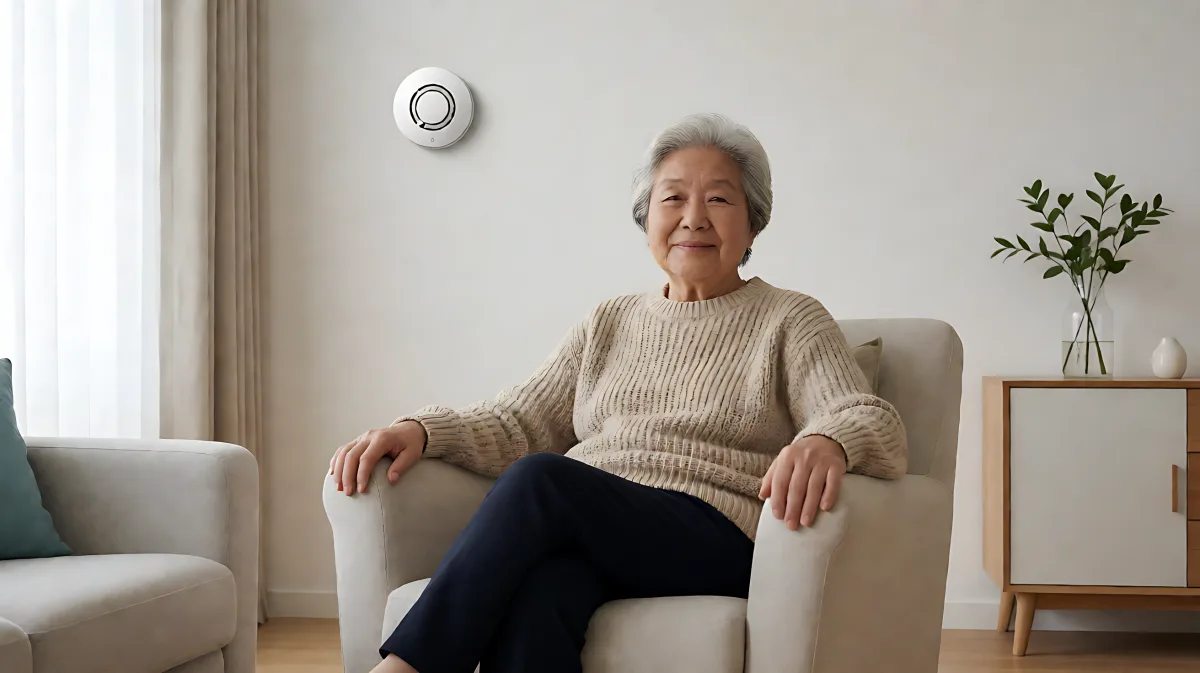
Older adults face a significantly higher risk of dying in home fires due to changes in mobility, hearing, and sleep. This guide breaks down the latest data and provides a practical checklist for families and caregivers to mitigate these risks effectively.
Adults aged 65 and older face a fire death risk approximately 2.5 times higher than the general population, according to the U.S. Fire Administration. This increased vulnerability stems from slower reaction times, deeper sleep phases, and mobility challenges. By understanding these specific physiological changes and updating home safety systems, families can significantly reduce the risk of injury or death during a home fire emergency.
Why Do Older Adults Face Higher Fire Risks?
Many people assume that fire risk is constant across all age groups, but in fact, the physiology of aging creates distinct vulnerabilities that make standard safety measures less effective. The National Fire Protection Association (NFPA) highlights that the danger is not a lack of knowledge; most seniors remember fire safety protocols from childhood. Instead, the issue lies in physical and sensory changes that occur over time.
Reaction time slows down significantly as we age. In a fire scenario, the extra two to four seconds needed to orient oneself and make a decision can be the difference between a safe escape and severe injury. Additionally, many older adults take medications that affect alertness or balance, such as sedatives or blood pressure drugs. These substances can impair quick physical responses when a smoke alarm goes off at night.
Sleep patterns also change. While older adults often experience fragmented sleep, they also enter deep sleep phases that make them harder to rouse with a standard smoke detector tone. The NFPA notes that high-pitched frequencies, common in older detector models, are less effective at waking seniors with high-frequency hearing loss.
What Are the Most Common Causes of Home Fires for Seniors?
Identifying the specific ignition sources allows for targeted prevention. Two major categories stand out in recent data: cooking and smoking.
How Does Unattended Cooking Impact Safety?
Cooking fires are the leading cause of home fire injuries for all age groups, but the risk is compounded for older adults experiencing early-stage cognitive changes. Forgetting to monitor a pot on the stove is not just forgetfulness; it is a known hazard when multitasking. When water boils off, oil residues on the pan can reach ignition temperatures quickly.
Experts recommend using automatic stove shutoff devices, which cost between $30 and $150. These attachments cut power to the burner if no motion is detected in the kitchen for a set period, typically 30 minutes. Switching to induction cooktops is another effective strategy, as the cooking surface does not get hot enough to ignite nearby towels or paper.
Why Is Smoking Still a Major Hazard?
Smoking remains a critical risk factor, particularly when it occurs in bed or near flammable materials. The combination of cigarette embers and soft furnishings like pillows or curtains poses a severe threat. For those who use medical oxygen, the risk is magnified. Oxygen supports combustion, meaning a small spark can turn a minor fire into a rapidly spreading blaze within seconds. It is vital to maintain a strict no-smoking policy near any oxygen equipment.
How Should Smoke Alarms Be Adapted for Seniors?
Standard smoke alarms may not be sufficient for every household. If a senior has hearing loss, a visual alert system is essential. This includes strobe lights that flash brightly or bed shakers that vibrate to signal an alarm.
Families should ensure that every bedroom and common area is covered. If the senior cannot test the alarms themselves, a designated caregiver or family member should perform this check monthly. Installing interlinked alarms ensures that when one unit detects smoke, all units in the home activate, providing both auditory and visual cues throughout the property.
What Should Families Include in a Fire Escape Plan?
An escape plan is only useful if it accounts for physical limitations. Many seniors use walkers or wheelchairs, which require specific clearance to exit through doorways. Before an emergency occurs, families must check all exits to ensure they are wide enough for mobility aids.
Discuss the plan with neighbors and building managers. Identify two ways out of every room. If you live in a multi-unit building, coordinate with the fire department or building security to understand their assistance protocols. Keep essential items, such as medications and identification, in a go-bag placed by the door for quick access.
What Is the Actionable Checklist for Home Safety?
- Install Interlinked Alarms: Ensure smoke and carbon monoxide detectors are connected so all units sound when one triggers.
- Add Visual Alerts: For those with hearing impairment, add strobe lights or vibrating bed shakers to every alarm system.
- Upgrade Kitchen Safety: Consider automatic stove shutoffs or induction cooktops to prevent unattended cooking fires.
- Review Mobility Aids: Confirm that all doorways are clear and wide enough for walkers or wheelchairs to pass through quickly.
- Oxygen Safety: If medical oxygen is used, enforce a strict no-smoking zone and keep flammable materials away from the concentrator.
- Schedule Regular Checks: Caregivers should test smoke alarms monthly and check battery dates at least every six months.
Common Misconceptions About Senior Fire Safety
One widespread misconception is that modern smoke detectors work equally well for everyone. Many families assume a standard 10-year battery life is sufficient, but in fact, detector sensitivity can degrade, and the pitch of the alarm matters for seniors with hearing loss. Another misconception is that only high-risk behaviors like smoking matter. In reality, simple daily tasks like cooking or drying laundry can become hazards if not monitored carefully due to age-related changes in attention span and mobility.
It is also a mistake to think that an escape plan is unnecessary for those who can climb stairs. Many seniors live in ground-floor units or single-story homes, but clutter on the floor, such as trip hazards or unsecured rugs, can slow down an escape to a dangerous degree. Clearing pathways is as important as knowing the route out.
What Resources Are Available for Additional Help?
Organizations like AARP provide extensive guides on home security and safety, including specific advice on installing security devices and managing utilities. The U.S. Fire Administration offers free educational materials and pictographs that help communicate safety messages without relying on complex text, which is useful for those with cognitive declines. Local fire departments often provide free inspections and can recommend specific device types suitable for older adults.
Frequently Asked Questions
How often should I test smoke alarms in a senior's home?
You should test smoke alarms every month using the built-in test button. Additionally, replace batteries at least every six months, or annually if using long-life lithium batteries. If a caregiver lives in the house or visits regularly, they should be the ones performing these tests to ensure consistency.
Are automatic stove shutoffs difficult to install?
Most automatic stove shutoff devices are designed for DIY installation and attach directly to the burner. They are lightweight and do not require professional installation. The cost usually ranges from $30 to $150, making them an affordable investment for anyone who cooks unattended or has cognitive concerns.
What if the senior refuses to use mobility aids in the escape plan?
If a senior refuses to use a walker or wheelchair, create a practice run using the specific exit routes they are most comfortable with. Ensure that shoes are kept by the door and that the path is free of obstacles. Practicing the escape without the aid can build confidence, even if a mobility device is required in a real emergency.
Do carbon monoxide alarms need to be separate from smoke alarms?
While combination units exist, it is often recommended to have separate alarms for carbon monoxide, especially near sleeping areas. Carbon monoxide is odorless and colorless, and a dedicated detector ensures that specific concentrations are monitored accurately. Check the manufacturer's guidelines for placement to avoid false negatives.