Emergency Power Backup for Home Dialysis: A Safety Guide
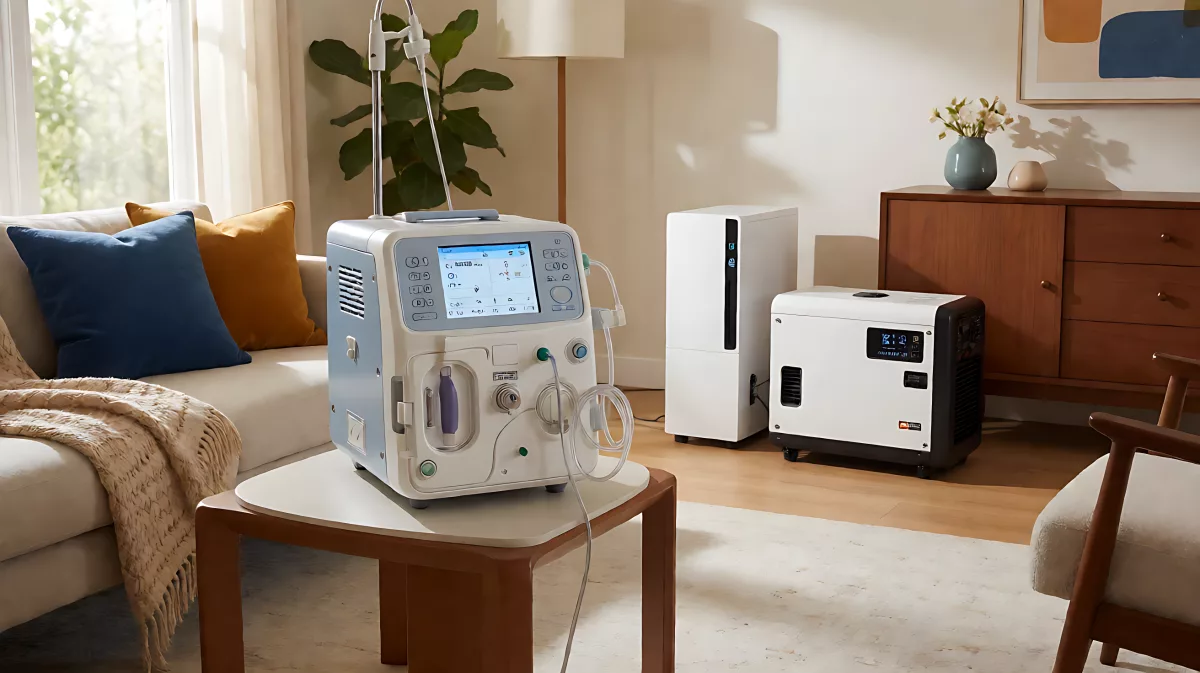
Power outages can interrupt critical dialysis treatments. This guide explains how to layer battery backups and generators to ensure your home hemodialysis machine stays operational and safe.
Power outages pose a critical risk to home hemodialysis patients. To ensure treatment continuity, you must implement a layered backup strategy using Uninterruptible Power Supplies (UPS) for immediate bridging and a generator for extended outages. Always register with your utility provider for priority reconnection and have a manual blood return plan ready.
Why Power Backups Are Vital for Dialysis
Home hemodialysis relies on electricity to pump blood, filter waste, and maintain precise temperature and pressure. Unlike a lamp or a TV, a dialysis machine is a life-support device. If the grid fails during a session, the machine will alarm and shut down, requiring immediate manual intervention. In severe cases, such as widespread storms, outages can last days, making a robust backup system essential for patient survival.
What Should I Do Before a Power Outage?
Preparation is the key to managing electrical risks. You must contact your local utility company to register for priority service. Most providers, including major US and UK networks, maintain a list of customers who depend on life-support devices. While this does not guarantee immediate restoration, it places your home higher in the repair queue during grid failures. Additionally, you should review your clinic's disaster plan. Many facilities require patients to have a written contingency plan that includes where to go if their home power fails for more than a few hours.
How Do Uninterruptible Power Supplies Protect Your Machine?
The first line of defense is a UPS, often called a battery backup. These units provide instant power without delay, which is critical for preventing data loss and allowing the machine to perform a safe shutdown or bridge the gap until a generator starts. A typical home hemodialysis cycler and water treatment system may draw significant power, especially if a water heater is included. A UPS with a capacity that offers at least 30 minutes of runtime is generally recommended. This window is long enough to safely transition to a secondary power source. Ensure you purchase a unit with a 'sine wave' output, as 'modified sine wave' UPS units can damage sensitive medical electronics.
Which Generator Is Best for Home Dialysis?
When a UPS runs down, a generator takes over. There are two main approaches: portable inverter generators and whole-house standby systems. Portable inverter generators are lighter and quieter, making them suitable for apartment dwellers or those who can move equipment outdoors. However, they often have lower fuel capacities and require manual starting. Whole-house standby generators, such as those made by Generac, are automatically connected to your home's electrical panel via an interlock switch. They start without manual intervention, providing seamless power. For dialysis users, a generator capable of 7,500 watts is a common benchmark, ensuring it can power the machine, water heaters, and necessary lighting simultaneously.
What Safety Protocols Must I Follow?
Generator safety is non-negotiable. Carbon monoxide poisoning is a leading cause of death during outages. Generators must never be operated inside a home, garage, or enclosed space. They should be placed outdoors, at least 20 feet from windows and doors. If you use a whole-house system, the transfer switch must be professionally installed by a licensed electrician to prevent back-feeding, which can electrocute utility workers. Furthermore, you must keep your dialysis supply kit stocked. This includes a hand crank for the blood pump, which allows you to return blood manually if all electrical sources fail. Practicing this manual return is a critical skill that should be rehearsed periodically.
How Do I Manage a Total Failure?
If all backup power fails, you must remain calm and follow your emergency protocol. First, check if the machine allows for manual blood return. If not, and the machine is stopped, you must contact your dialysis clinic immediately. Most clinics have a 24/7 on-call system for such emergencies. You may need to be transported to an in-center facility that is equipped with its own backup power. Keep your medication and water bags accessible. If the outage is due to a natural disaster that blocks roads, your priority is patient safety and communicating with medical professionals to find the nearest accessible center.
Frequently Asked Questions
Can a car battery power a dialysis machine?
Generally, no. Dialysis machines require stable AC power. While you can buy DC-to-AC inverters, the power draw is high and prolonged, which can severely deplete a standard car battery and damage it. A dedicated UPS or a gas or propane generator is the standard and safe recommendation for continuous treatment needs.
How much fuel does a generator need for a dialysis session?
It depends on the model, but a 7,500-watt generator typically uses about 0.25 to 0.5 gallons of gasoline per hour at 50 percent load. A standard 30-minute to 4-hour dialysis session would require a tank capacity of at least 2 to 4 gallons. Propane generators may have different consumption rates, so always check the manufacturer's specifications.
Do I need a transfer switch if I plug the machine directly into the generator?
If you use a portable generator and connect the machine directly via extension cords, you do not need a transfer switch, but you must use heavy-duty, outdoor-rated cords. However, a transfer switch or interlock is required and recommended if you are powering the house panel or multiple circuits. It ensures safety and prevents back-feeding into the grid.
What if I live in a UK apartment?
Space is more limited in UK apartments, so portable, silent inverter generators are often the only viable option. Check your lease and building management rules regarding generator use and fuel storage. You may need to store fuel in a secure, outdoor location if permitted by local fire codes. Always consult with your home treatment team about specific building restrictions.