How Home Acoustics Prevent Social Isolation in Seniors
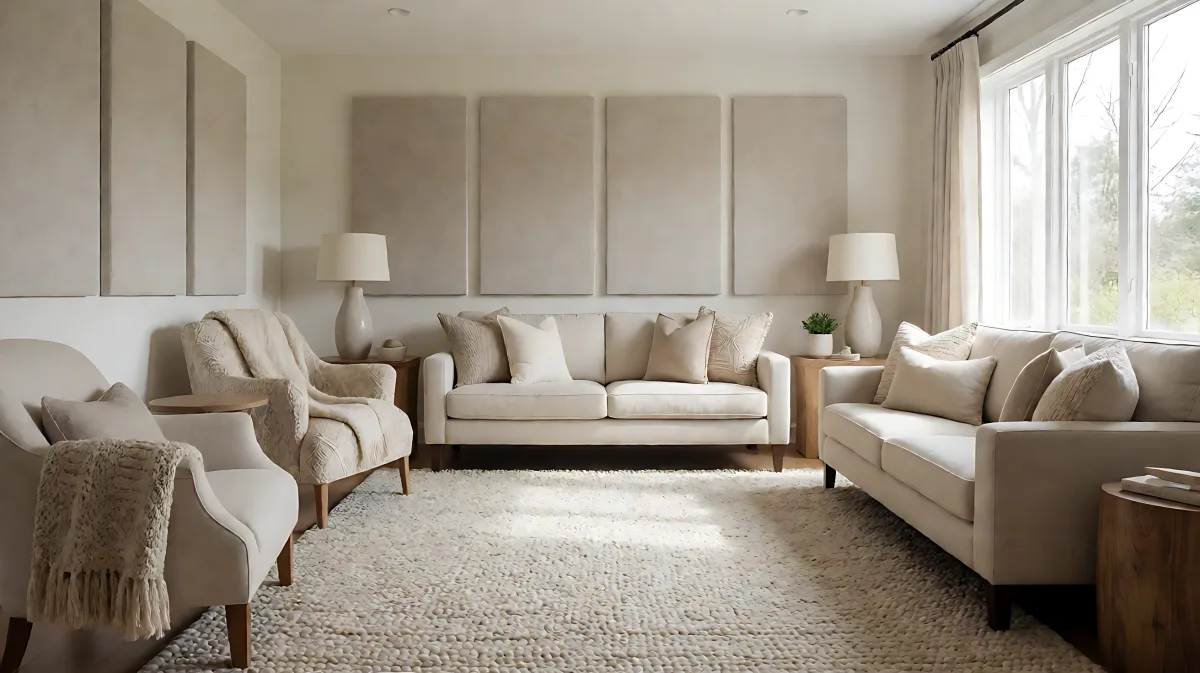
As hearing sensitivity declines, everyday noise becomes a barrier to connection. Discover practical acoustic adjustments that reduce cognitive load and prevent social withdrawal in older adults.
Poor room acoustics significantly contribute to social isolation in older adults by making speech comprehension difficult. As hearing loss progresses, background noise and echo create cognitive fatigue, leading to withdrawal from social interactions. To mitigate this, seniors can manage home acoustics by reducing reverberation with soft furnishings, isolating structure-borne noise, and optimizing room layout to minimize competing sound sources.
Why do acoustics affect senior well-being?
The impact of sound on cognitive function is profound for the elderly. Research highlighted by the National Institute on Aging indicates that social isolation is linked to increased healthcare costs, with estimates suggesting a significant financial burden per resident compared to socially engaged peers. For many seniors, the barrier to engagement is not a lack of desire, but a lack of auditory clarity. When the brain must work harder to process muffled or unclear speech due to poor room acoustics, it diverts energy from social cognition, leading to frustration and eventual social withdrawal. This is particularly relevant given that one in three people over the age of sixty experience some degree of hearing loss, a figure that rises to one in two for those over eighty-five, according to the American Audiology Association.
How does background noise cause cognitive decline?
It is not just volume that matters, but clarity. Environments with high levels of background noise or excessive reverberation can exacerbate cognitive decline, particularly in individuals with pre-existing conditions like dementia. When a room reflects sound too much, such as a hard-surfaced dining area, the delayed echoes muddy the original speech signal. This forces the listener to struggle to separate the speaker's voice from the noise floor. To combat this, simple interventions like adding carpets, heavy drapes, or upholstered seating can reduce reverberation time. These materials absorb sound energy, creating a quieter, clearer environment where conversations are less tiring to follow.
What is the difference between airborne and structure-borne sound?
Effective acoustic management requires understanding how sound travels. Airborne sound, which includes voices, television audio, and traffic, moves through the air and can be blocked by dense barriers. In contrast, structure-borne sound travels through the building's physical framework, such as footfalls on floors or the rumble of HVAC systems. Structure-borne noise is often more disruptive to senior relaxation because it is felt as well as heard, vibrating through floors and walls. To address this, homeowners can install resilient mounts, acoustic matting under flooring, or solid-core doors that provide better insulation than hollow-core alternatives. Sealing gaps around windows and doors is also critical to stop airborne noise from infiltrating quiet spaces.
How can you optimize room layouts for conversation?
Room geometry plays a vital role in speech intelligibility. Large, open-plan spaces often suffer from poor acoustic privacy and high background noise levels because sound travels unimpeded. To create more comfortable conversation zones, divide large areas into smaller seating nooks. By subdividing spaces, you reduce the number of active talkers in any one zone, lowering the overall noise floor. Irregular room angles and acoustical ceiling panels can also help disrupt sound paths, preventing echoes from bouncing between parallel hard surfaces. This approach ensures that direct sound reaches the listener more clearly than reflected sound, improving comprehension without raising voices.
What practical steps can seniors take at home?
Implementing acoustic improvements does not require a full renovation. Start by identifying the primary sources of noise interference in your living space. If television volume is high, consider repositioning the screen to face the sofa rather than the open room, or using directional speakers. For mechanical noise from appliances or ducts, adding mass to the partition walls or using damping materials can reduce vibration transmission. Furthermore, regular hearing check-ups are essential; sometimes the issue is not the room, but the listener's device settings. However, by combining personal hearing aids with environmental modifications, seniors can significantly enhance their quality of life.
How do smart home devices assist with acoustics?
Modern smart home ecosystems, such as those integrated with Google Home or similar platforms, offer tools to manage the auditory environment. Smart speakers with advanced noise cancellation can be positioned strategically to monitor ambient sound levels. While they do not physically block noise, they can provide real-time data on when the home is too loud, prompting adjustments to HVAC settings or alerting users to external disturbances. Additionally, smart lighting systems can dim lights in response to high noise levels, creating a calmer visual atmosphere that complements acoustic quiet. These automated adjustments help maintain a serene environment without requiring constant manual intervention, reducing the cognitive load on the resident.
How much impact does wall construction have on isolation?
The Sound Transmission Class, or STC, rating measures how well a wall or floor assembly blocks sound. Standard wood-stud walls often have an STC of around thirty-four, which is insufficient for blocking normal conversation from adjacent rooms. To achieve a more isolated, quieter environment suitable for sensitive listeners, walls may need to be upgraded to an STC of fifty or higher. This can be accomplished through staggered stud construction or the addition of multiple layers of gypsum board with insulation. While these are major construction projects, understanding these ratings helps homeowners set realistic expectations for what can be achieved through interior modifications versus structural upgrades.
Are there financial considerations for acoustic upgrades?
Investing in better acoustics is an investment in health. Studies have shown that socially engaged older adults have lower healthcare costs. Reducing the effort required to communicate can lead to greater social participation and potentially lower medical spending associated with isolation. When budgeting for these improvements, prioritize the rooms where the most time is spent, such as the living room and bedroom. Using high-quality acoustic fabrics and specialized insulation can be a targeted approach that yields significant returns in comfort and clarity without a whole-house overhaul.
When should you consult a professional acoustician?
If simple furnishings and layout changes do not resolve communication difficulties, it is advisable to consult a professional acoustician. They can perform detailed measurements of reverberation time and background noise levels, identifying specific frequencies that may be interfering with speech. A professional can also advise on the most effective structural modifications for your specific home layout, ensuring that interventions target the root causes of noise pollution rather than just symptoms.
Frequently Asked Questions
What is the best material for reducing echo in a senior's bedroom?
Thick, dense materials are most effective for reducing echo. High-pile carpets, heavy upholstered headboards, and layered bedding absorb sound waves effectively. For walls, acoustic panels disguised as art or soft wood-fiber ceiling tiles can significantly lower reverberation without altering the room's structural integrity.
Can white noise machines help with social isolation?
White noise machines can mask distracting external sounds, such as street traffic or neighbors, which may otherwise pull a senior's attention away from internal conversations or thoughts. However, they should be used at low volumes to avoid masking the natural social cues of family members or visitors, which are essential for connection.
Does window treatment really affect indoor noise levels?
Yes, window treatments can impact indoor acoustics. Heavy, layered drapes not only block light but also add a mass layer that absorbs some airborne sound from outside. While they will not make a house soundproof, they can reduce the harshness of exterior noise, creating a more tranquil indoor environment conducive to relaxation and conversation.
How often should a senior's home acoustic environment be assessed?
It is beneficial to assess the home's acoustic environment after any significant renovation, after major changes in household occupancy, or if a resident reports increased difficulty hearing. Regular check-ups with an audiologist should also be coordinated with environmental adjustments to ensure that both personal and spatial factors are optimized for clear communication.